



Dripping Glaze Vase
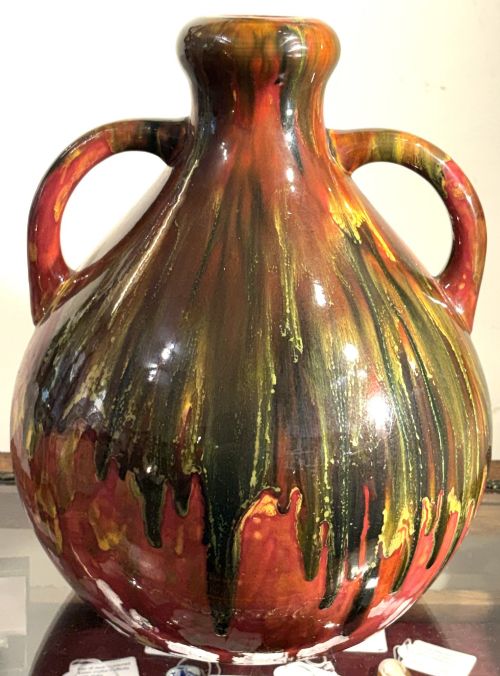
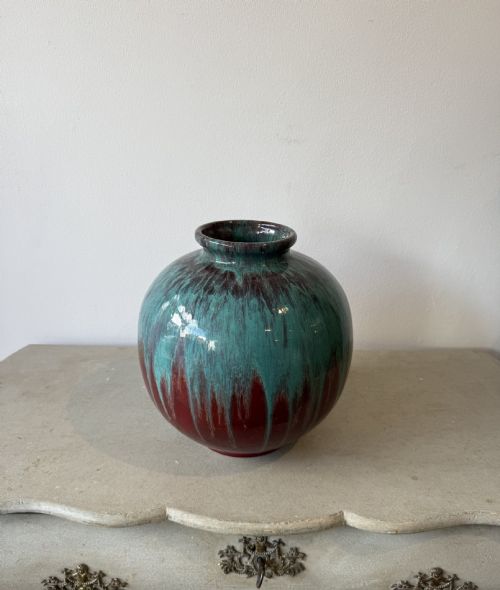
A dripping glaze vase brings movement and colour to a room through molten surfaces that run and pool down the ceramic body.
Dripping Glaze Vase
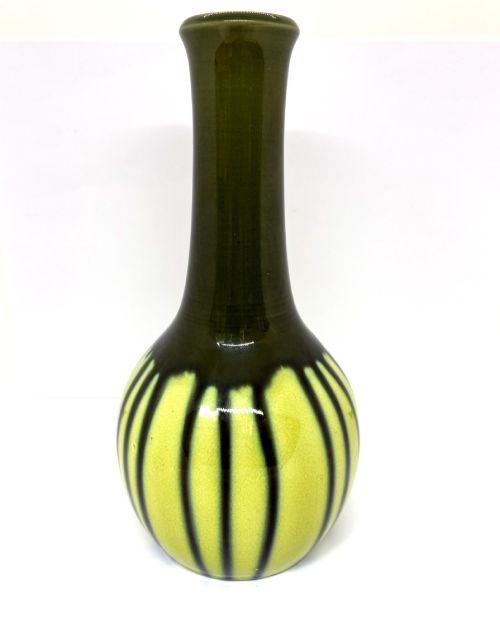
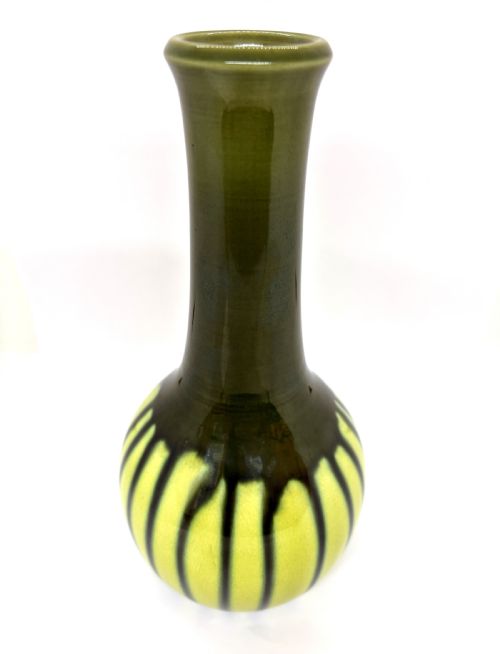
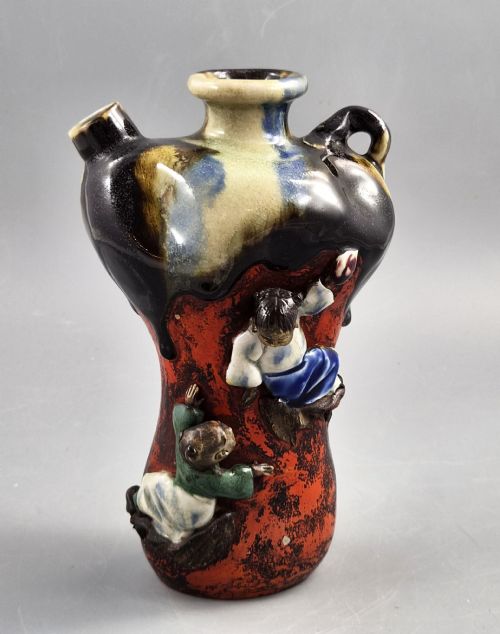
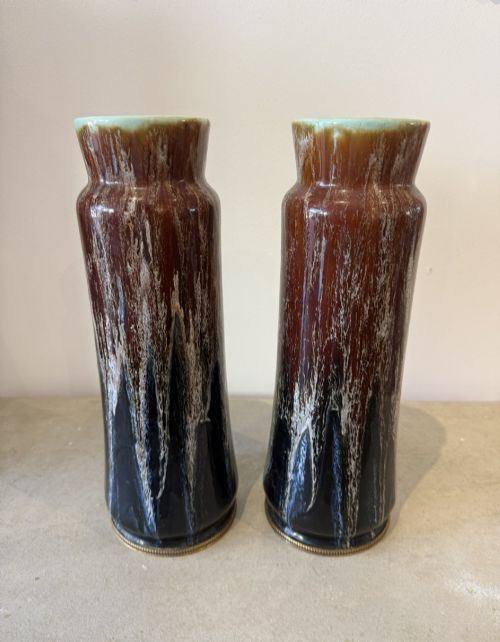
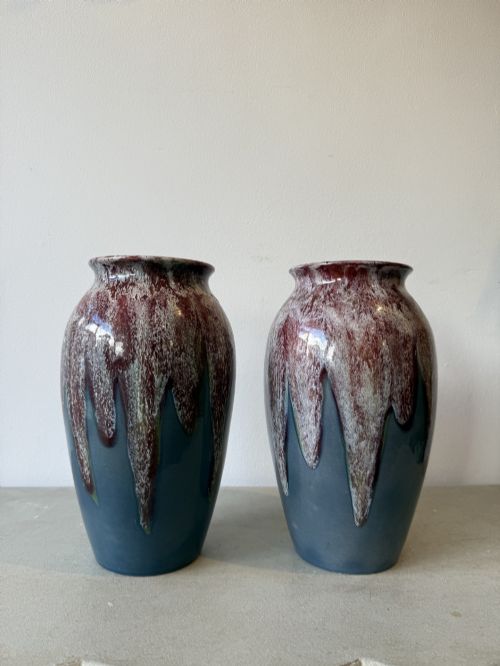
A dripping glaze vase encompasses art pottery, studio ceramics, and Asian wares spanning the late nineteenth and early twentieth centuries. These vessels display expressive, viscous surface treatments where the glaze runs naturally down the form during firing.
The pieces on this page are most frequently earthenware, stoneware, or terracotta bodies covered in rich, overlapping ceramic glazes. Art Nouveau, Arts and Crafts, and Japanese Meiji to Taisho periods dominate the selection.
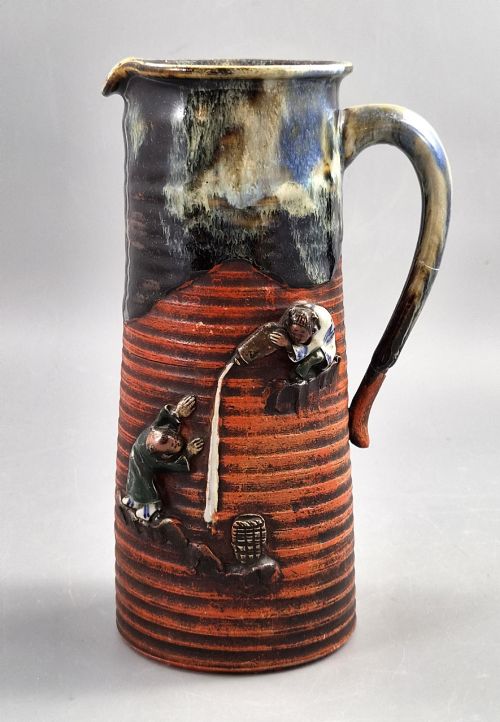
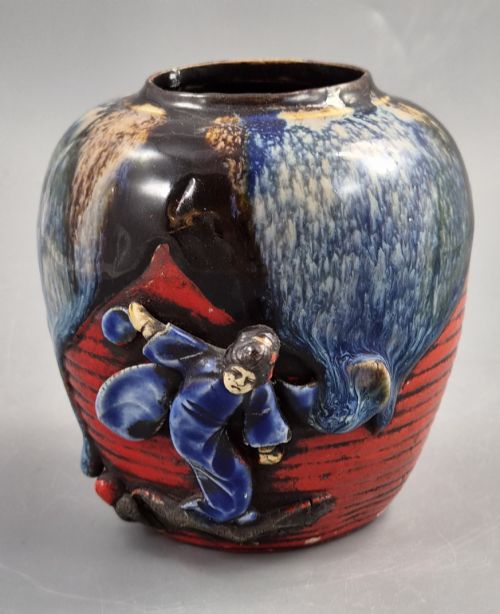
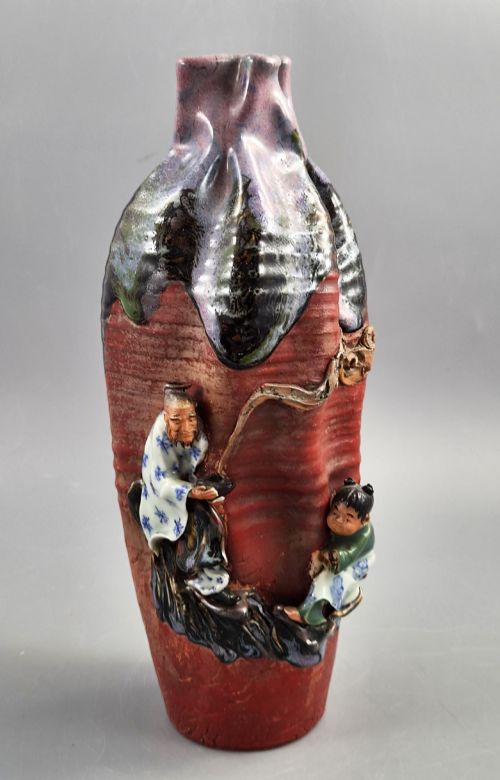
Vases range from twin-handled vessels and bottle shapes to figurative Japanese Sumida Gawa jars and pitchers. Each object relies on the chemistry of the kiln to create unique patterns where colours merge and drip.
Materials and production methods
Potters shaped these vessels using earthenware, stoneware, or terracotta, building forms by hand or on the wheel. Many pieces incorporate applied decorative elements such as figures or handles before firing.
Makers applied thick mineral glazes that softened under intense kiln heat, causing the liquid surface to move and settle in gravity-driven cascades. Controlled cooling captured the glaze mid-flow, resulting in glossy, crystalline, or flambe finishes.
Dripping Glaze Vase Retail Price Guide 2026
Typical asking prices for dripping glaze vase among the pieces listed under this phrase on Sellingantiques today, from the lower quarter to the upper quarter. They describe what is for sale here now, not the wider market.
The listings span earthenware, stoneware, and terracotta forms created across European and Japanese studio potteries.
Factors determining quality
The success of a dripping glaze vase rests on the balance between the vessel form and the movement of the glaze. Superior examples show a deliberate harmony where the running glaze enhances rather than obscures the underlying pottery shape.
Depth and complexity of colour separate standard items from exceptional ones. Rich crystalline structures, multi-layered flambe effects, and stable yet dynamic drips demonstrate greater mastery in the kiln.
Burmantofts Pottery·Boch Freres·Doulton·Cranston Art Pottery·Ruskin Pottery·Inoue Ryosai
The Dripping Glaze Vase Glossary
- Earthenware
- Porous pottery fired at lower temperatures, often coated in an opaque glaze. It forms the body of many nineteenth-century art pottery pieces.
- Stoneware
- Dense, vitrified ceramic fired at higher temperatures until non-porous. It provides a durable base for heavy studio pottery glazes.
- Crystalline glaze
- A specialised surface treatment where visible crystals grow within the molten glass matrix during cooling. Ruskin pottery utilised this technique to striking effect.
- Flambe glaze
- A streaked or mottled glaze rich in metallic oxides that creates varied colour transitions. It appears frequently on Japanese and European art pottery.
- Terracotta
- Unglazed or clear-glazed brownish-red earthenware used for sculptural and decorative vessels. The porous body absorbs and holds warmth.
Dripping Glaze Vase: Frequently Asked Questions
How do I clean a ceramic vase safely?
Dust the surface gently with a dry, soft cloth to remove everyday particles. Avoid submerging antique earthenware in water, as moisture can penetrate porous historic bodies.
Spot clean stubborn interior marks with a damp cotton bud rather than chemical solvents. Protect the glaze by keeping the piece away from direct, prolonged sunlight.
Can I put fresh flowers in these vases?
Many older art pottery vessels have porous terracotta or earthenware bodies that allow water to seep through over time. Using a discreet glass or plastic liner inside the vessel prevents moisture damage.
Dry botanical arrangements or displaying the pieces empty protects the historic ceramic fabric. Inspect the interior base for hairline fissures before introducing any liquid.
How do I date an art pottery piece?
Examine the base for impressed factory marks, painted signatures, and glaze characteristics typical of specific decades. The integration of Art Nouveau and Arts and Crafts design motifs points towards the turn of the twentieth century.
Comparing throwing techniques and clay bodies helps narrow the production window. Japanese pieces often carry period signatures that correspond to Meiji or Taisho reigns.
What is Sumida Gawa pottery?
Sumida Gawa refers to Japanese ceramics produced around Tokyo during the Meiji and Taisho periods. These pieces are distinctive for their heavy, dripping flambe glazes and applied figurative elements.
Artisans often modelled figures climbing across the exterior of the vessel. The combination of sculptural storytelling and fluid glazes defines the style.