







Dragon Wood Stand
A dragon wood stand brings intricate hand-carved mythology and dense exotic timber directly into a room, offering a functional surface steeped in Far Eastern and colonial craftsmanship.
Dragon Wood Stand
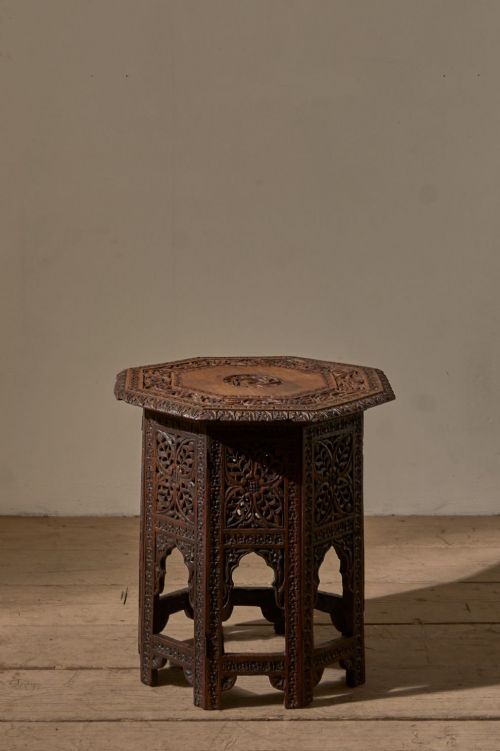
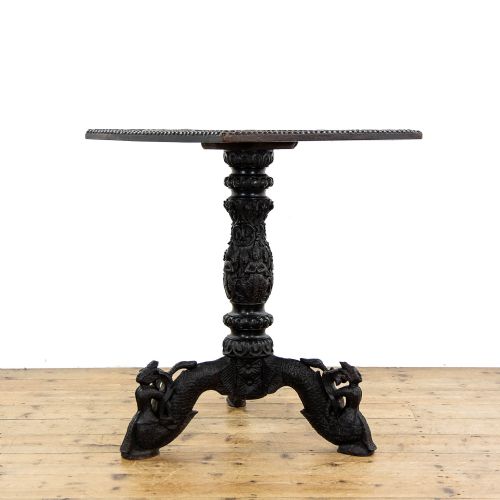
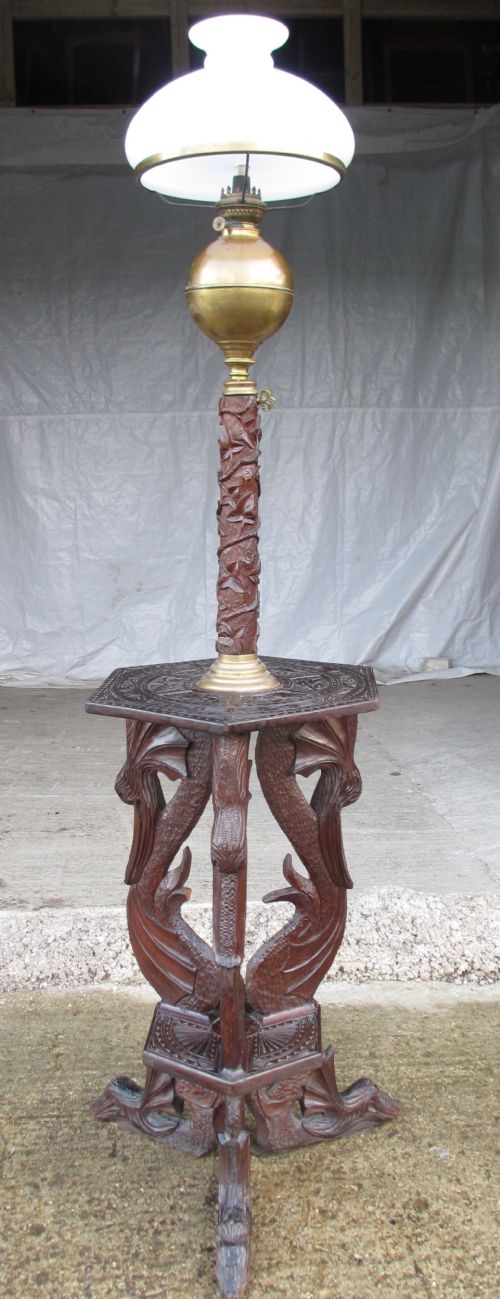
When you search for a dragon wood stand, you encounter heavy carved tables, display furniture, and torchieres originating from Chinese export workshops, Anglo-Indian trades, and Japanese ateliers. These pieces span the nineteenth century into the early twentieth century, taking forms such as lantern stands, side tables, and occasional furniture.
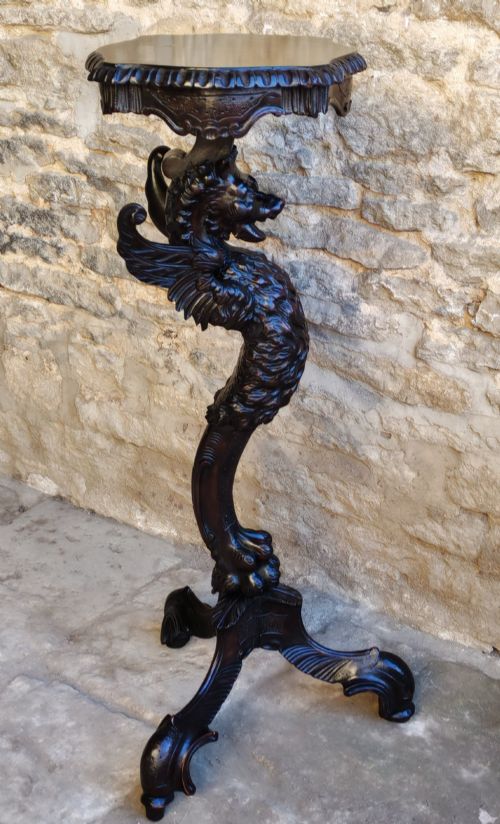
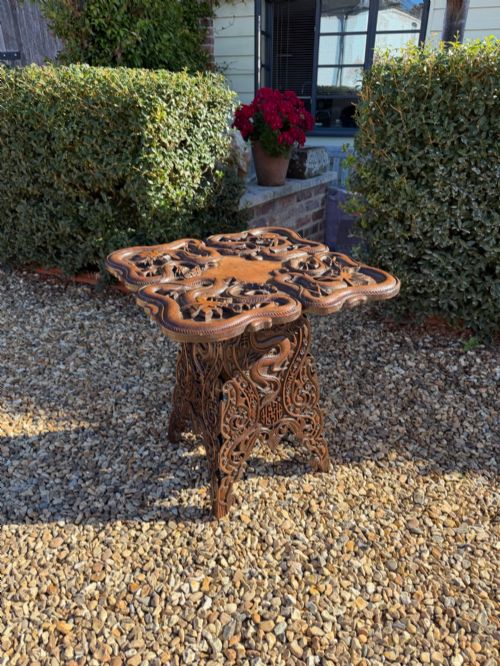
The version you are most likely to meet on this page is a nineteenth-century Chinese carved hardwood table or stand featuring deep relief motifs. These items combine functional surfaces with elaborate mythical ornamentation, frequently utilising dense timbers like padauk, rosewood, and general imported hardwoods.
What varies in quality
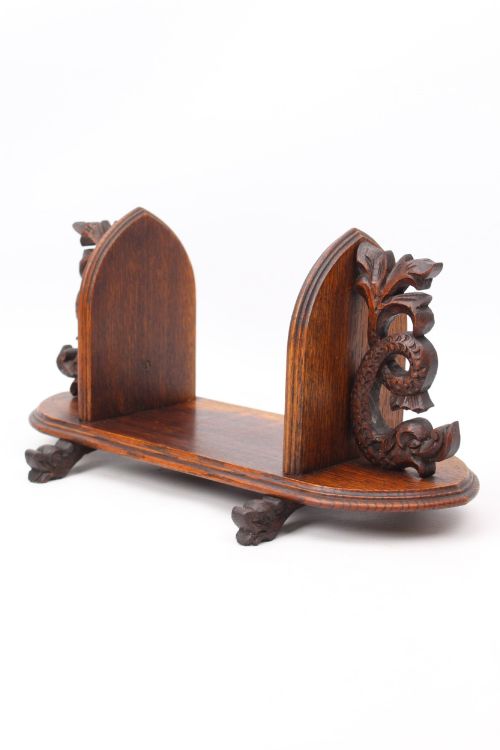
The depth and animation of the carving separate standard workshop output from exceptional examples. Skilled carvers undercut the timber so that scales, claws, and limbs stand entirely free from the background, creating strong shadows and dynamic movement.
Material selection dictates longevity and visual weight, with heavy dense hardwoods holding sharper details over time than softer general woods. The integration of structural elements, such as snug marble tabletops and tightly fitted joinery, distinguishes master craftsmanship from simpler production pieces.
Dragon Wood Stand Retail Price Guide 2026
Typical asking prices for dragon wood stand among the pieces listed under this phrase on Sellingantiques today, from the lower quarter to the upper quarter. They describe what is for sale here now, not the wider market.
Several stands feature dragons whose carved wooden claws clutch empty air with dramatic intensity.
Gabriel Viardot
The Dragon Wood Stand Glossary
- Padauk
- A heavy, dense tropical timber with a reddish hue used frequently in nineteenth-century Anglo-Indian and Chinese furniture. It provides a stable base for intricate hand-carving.
- Chinoiserie
- European interpretation and imitation of Chinese artistic traditions and motifs, popular across various decorative periods. It appears on cabinets and occasional stands.
- Torchere
- A tall ornamental stand originally designed to hold a light source or candle, later adapted for lamps or plants. These pieces often feature prominent central columns and carved supports.
- Shodana
- A traditional Japanese display cabinet featuring asymmetrical shelving and compartments. Examples from the early twentieth century often incorporate ebonised finishes.
- Cinnabar
- A carved lacquer material applied in layers and shaped into intricate patterns. In furniture decoration, it adds tactile depth and distinct red coloration.
Dragon Wood Stand: Frequently Asked Questions
What is a dragon wood stand used for?
These stands functioned historically as elevated platforms for display items, lanterns, tea ceremonies, or lighting.
Today, they serve as accent furniture in living spaces, holding lamps, decorative bowls, or standing alone as sculptural elements.
How do I identify the period of a carved stand?
Dating relies on timber choice, tool marks left by the carver, and stylistic cues from specific eras like the Victorian period or early twentieth-century Japanese export phases.
Examining construction methods and joinery beneath the piece offers further clues regarding its age and origin.
Where were these stands manufactured?
Production occurred across various regions, including Chinese export workshops, Japan, and British colonial territories such as India and Burma.
Local timber availability and regional carving traditions heavily influenced the distinct appearance of each piece.
How should I care for a hardwood carved stand?
Maintain the timber by keeping the piece away from direct heat sources and sudden humidity changes to prevent wood splitting.
Dust intricate carvings gently with a soft brush and avoid applying modern chemical polishes that can build up within recessed details.