



Distressed Wooden Desk
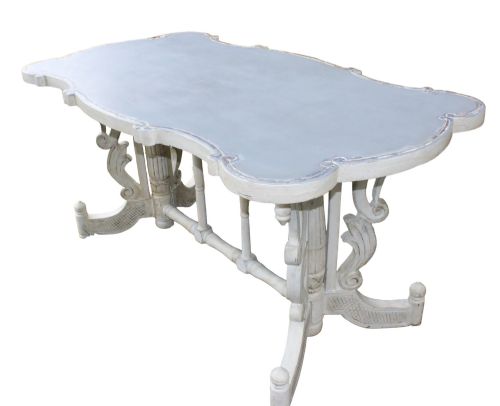
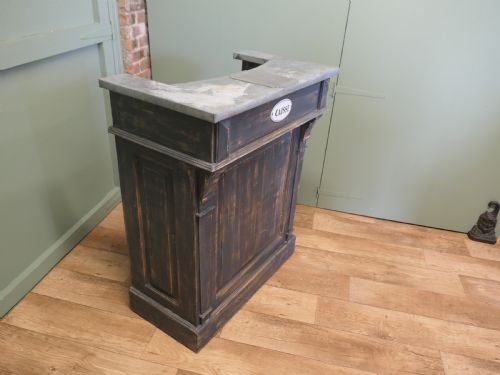
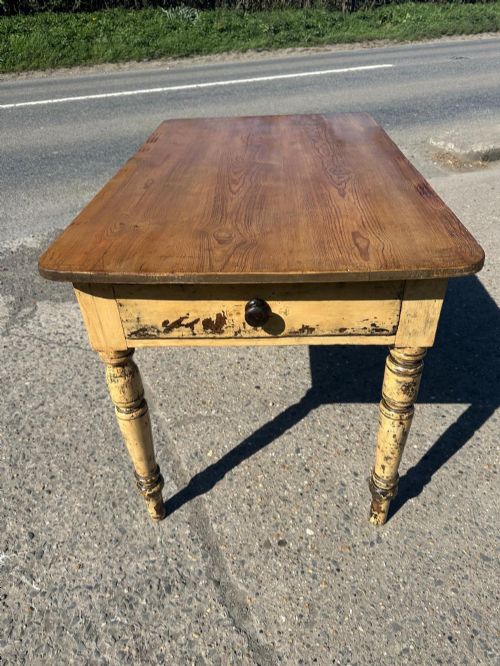
These pieces sold as a distressed wooden desk combine practical surface space with timeworn painted or unpainted timber surfaces spanning several centuries.
Distressed Wooden Desk
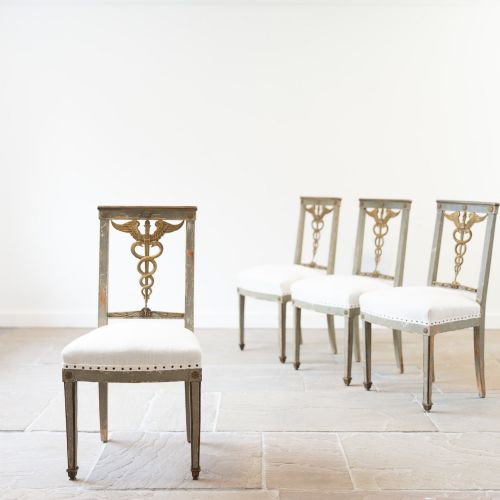
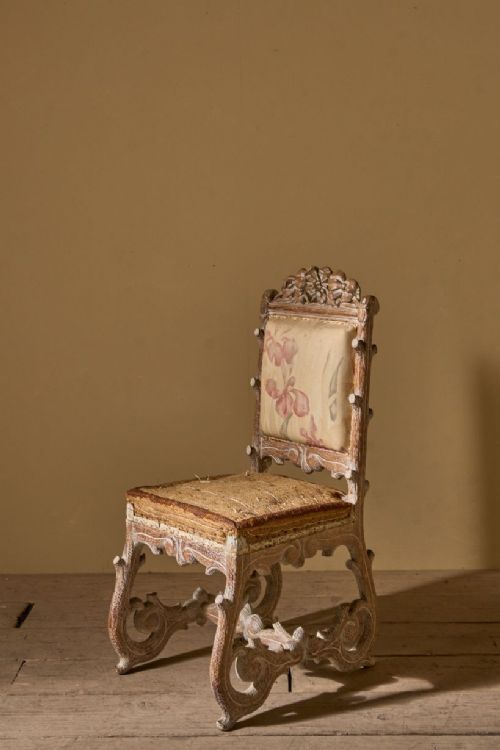
A distressed wooden desk or associated writing and working surface draws interest for its authentic age, functional utility, and timeworn aesthetic. The evidence records numerous tables, side tables, and occasional surfaces alongside seating, dressers, and storage units dating from the eighteenth century through to the early twentieth century.
Buyers encountering this search phrase most frequently meet rustic pine tables, occasional tables, and side tables originating from Swedish, English, and French traditions. These pieces often exhibit worn painted finishes, patinated timber tops, and robust construction suited to everyday domestic use.
Materials and construction
Makers relied primarily on pine, teak, and general wood substrates joined simply for utility, often finishing surfaces with layers of paint or leaving timber exposed to natural wear. Iron and brass components appear in supporting hardware, whilst fabric and linen occasionally pad seating elements associated with these functional spaces.
Construction techniques reflect regional vernacular traditions, ranging from heavy trestle and farmhouse assembly to neoclassical framing and carved detailing. Surfaces display the accumulated patination of decades or centuries of use, with original painted legs and distressed green or neutral coatings defining the visual character.
Distressed Wooden Desk Retail Price Guide 2026
Typical asking prices for distressed wooden desk among the pieces listed under this phrase on Sellingantiques today, from the lower quarter to the upper quarter. They describe what is for sale here now, not the wider market.
Listings span from the 18th century through the 1930s, featuring pine, teak, brass, iron, and fabric materials across Scandinavian, French, and English styles.
Evaluating quality and character
The standard of a piece rests upon the integrity of its timber substrate, the originality of its painted surface, and the harmony of its proportions. Pieces retaining their original historic paint layers command greater attention than those with later or overpainted coats.
Structural stability combined with honest, unforced wear distinguishes superior examples from lesser items. The balance between rustic charm and sound joinery determines how well a piece holds its character over time.
Gillows
The Distressed Wooden Desk Glossary
- Distressing
- Artificial or natural weathering applied to timber and paint surfaces to simulate age and heavy use. This wear creates a softened, patinated appearance valued in rustic interiors.
- Patina
- The surface sheen and colour changes developed by wood, paint, and metal through decades of handling, light exposure, and polishing. It serves as a visual indicator of genuine age.
- Vernacular
- Architecture and furniture built by local craftsmen using traditional regional methods and locally available materials, rather than following formal academic design rules.
- Trestle
- A rigid frame used to support a horizontal tabletop, consisting of two or more horizontal beams connected by vertical or angled supports. This design offers sturdy legroom beneath the surface.
Distressed Wooden Desk: Frequently Asked Questions
What periods do these pieces span?
The selection covers items originating from the eighteenth century, the Georgian era, and the nineteenth century, extending into early twentieth-century examples up to the nineteen-thirties.
This broad chronological range encompasses both formal neoclassical designs and simpler rural farmhouse traditions.
Where do these items originate?
Geographical origins recorded in the evidence include English, Swedish, French, Northern European, and Burmese workshops.
Each region contributes distinct stylistic traits, such as Scandinavian painted finishes or English pine construction.
How should I care for painted wood?
Maintain painted and timber surfaces by dusting gently with a dry or slightly damp soft cloth, avoiding harsh chemical cleaners that might strip historic finishes.
Keep pieces away from direct heat sources and strong sunlight to prevent the underlying wood from drying and cracking.
What materials are most common?
Pine and painted wood dominate the listings, frequently accompanied by brass hardware, iron accents, and occasional teak or general timber elements.
Fabric and linen also appear on related seating pieces found within the wider collection.