




Distressed Wood Wall Panel
These distressed wood wall panel pieces are weathered architectural salvage and carved timber reliefs that bring authentic age and texture to an interior.
Distressed Wood Wall Panel
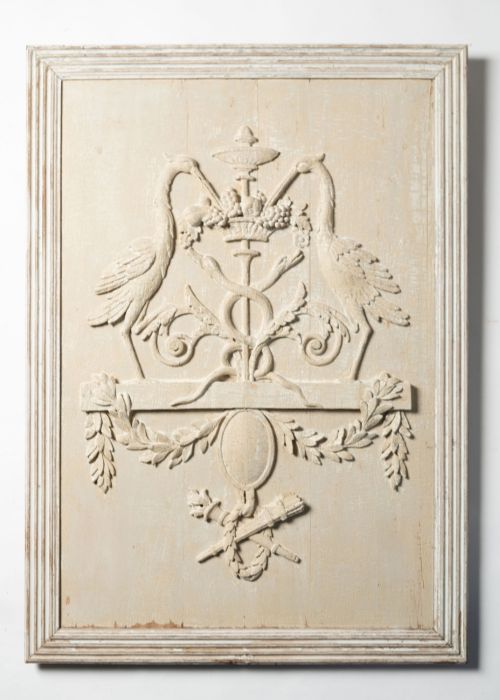
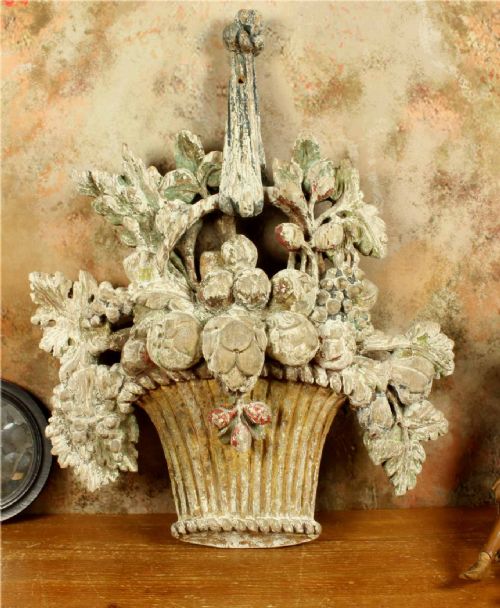
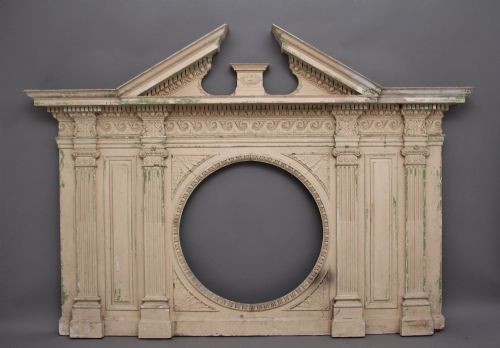
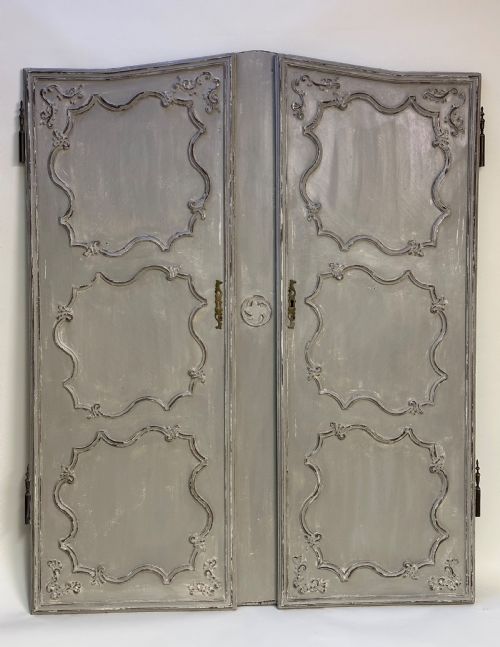
When you search for a distressed wood wall panel, you are looking at architectural elements, decorative carvings, and salvaged timbers that have lived previous lives as doors, overmantels, and carousel panels. These items originate predominantly from the eighteenth and nineteenth centuries, spanning French provincial origins to Chinese cart doors and fairground folk art.
The version you are most likely to meet on this page is a carved wooden panel or architectural fragment of French origin, often retaining traces of its original paint or polychrome finish. They serve primarily as wall art or wall relief, mounted directly to add immediate historical depth to a room.
How they were made
The construction relies on solid timber such as pine and general wood, shaped by hand using traditional carving techniques to form floral reliefs, baskets, and neoclassical motifs. Artisans worked directly with the grain, employing hand tools to achieve deep relief work on architectural panels and doors.
Surfaces were frequently finished with paint or polychrome paint, which has aged and weathered over centuries to create the characteristic distressed appearance valued today. Iron elements occasionally appear as structural fixings or hardware on doors and larger salvage pieces.
The listings span the eighteenth and nineteenth centuries, featuring pine, iron, and carved wood shaped into French provincial and fairground styles.
What varies in quality
The distinction between ordinary and exceptional pieces lies in the depth and crispness of the hand carving, particularly in floral details and figurative elements. Superior examples display spirited execution by skilled hands rather than mechanical repetition.
The survival and integrity of the original painted surface also dictate quality, with untouched polychrome and layered historic paint holding more visual authority than later, unsympathetic stripping or repainting.
The Distressed Wood Wall Panel Glossary
- Architectural salvage
- Building elements rescued from structures destined for demolition or alteration. These components retain historic fabric and decoration.
- Polychrome paint
- The application of multiple colours of paint to a decorated surface. It is frequently found on folk art and older decorative carvings.
- Overmantel
- A decorative panel or mirror designed for placement directly above a fireplace mantel. They anchor the domestic interior scheme.
- Wall relief
- Sculpture that projects from a flat background surface, executed here in carved wood. The depth of projection defines the visual drama.
- Fairground folk art
- Decorative elements produced for amusement rides and carnival attractions. These pieces combine robust construction with lively visual appeal.
Distressed Wood Wall Panel: Frequently Asked Questions
How do I hang a heavy wooden panel?
Heavy carved panels and doors require secure wall fixings distributed evenly across the timber frame. Professional installation into masonry or wall studs is strongly recommended to support the weight safely.
Ensure the hanging hardware engages directly with the strongest parts of the antique structure rather than relying on decorative surface elements.
Are these panels suitable for bathrooms?
Historic painted and bare wood panels react to fluctuations in moisture and temperature. Bathrooms present a challenging environment where humidity can cause timber to move or historic paint to flake further.
Placement in dry living spaces or bedrooms preserves the existing condition of the wood and surface finishes much more reliably.
How should I clean a distressed painted surface?
Dust gently using a soft, dry brush or a microfiber cloth to remove surface particles without disturbing loose paint. Avoid liquid cleaners, harsh chemicals, and abrasive cloths that strip away historic character.
Maintenance should focus on preservation rather than restoration, leaving the natural patina undisturbed.
Can these panels be used outdoors?
Most of these pieces were created for interior architectural use or protected display environments. Exposure to rain, frost, and direct sunlight accelerates the decay of historic timber and degrades fragile painted finishes.
Keeping them indoors ensures the survival of delicate carvings and centuries-old surface treatments.