




Distressed White Furniture
Distressed white furniture brings together weathered paint finishes and sturdy timber forms, offering practical storage and seating with a relaxed historical character.
Distressed White Furniture
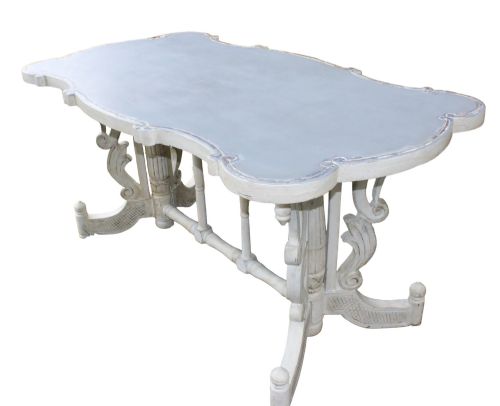
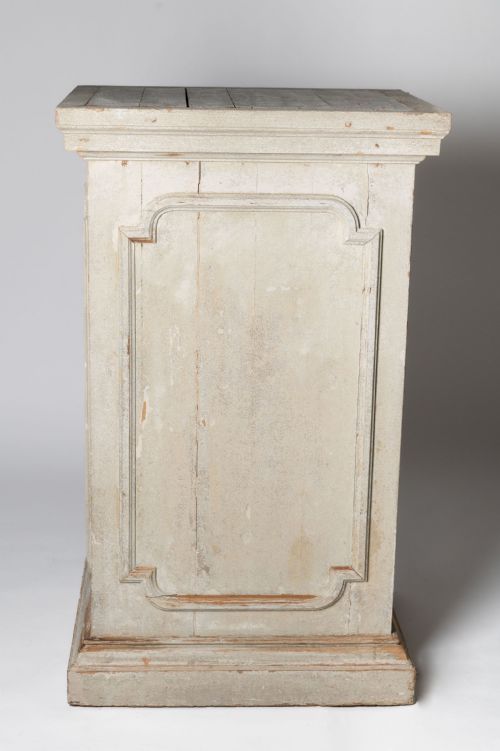
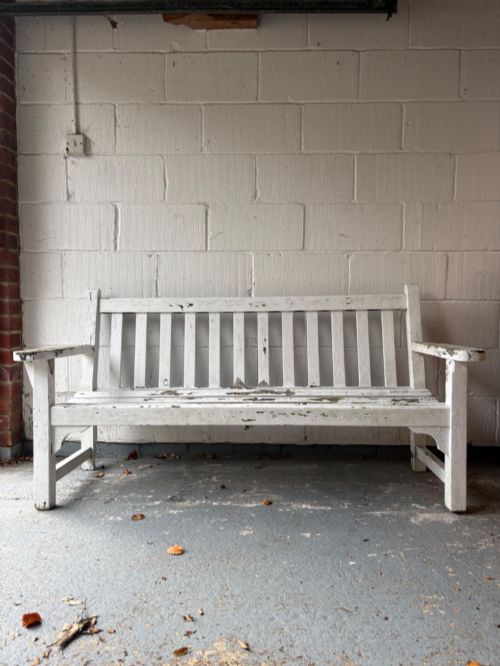
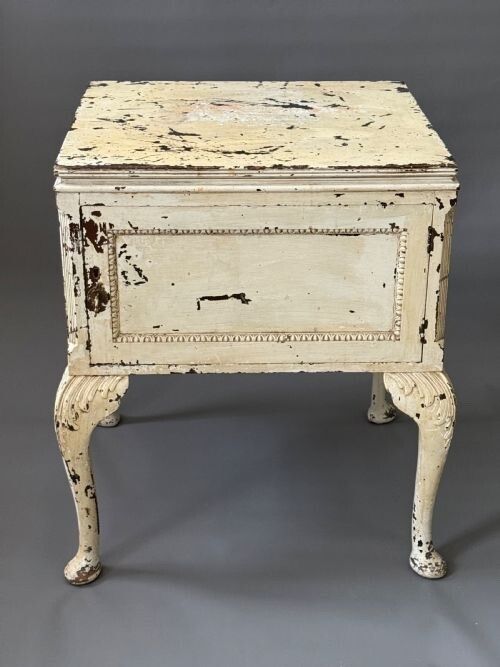
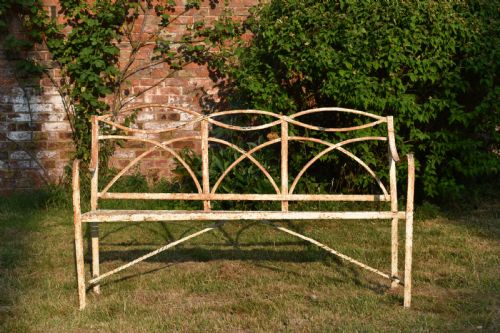
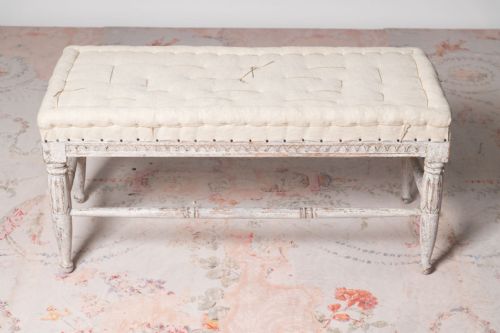
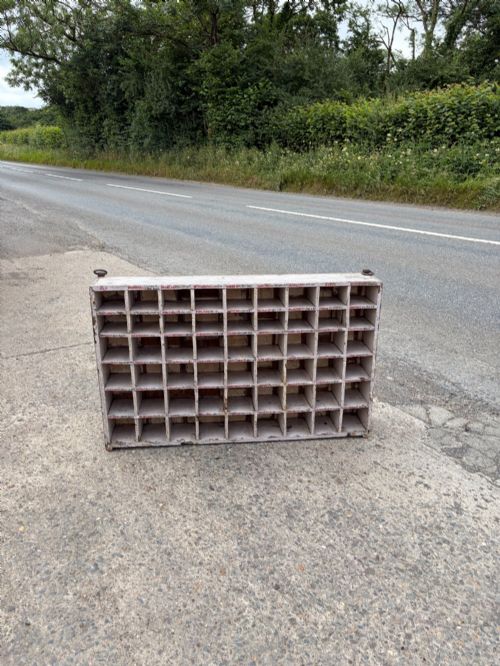
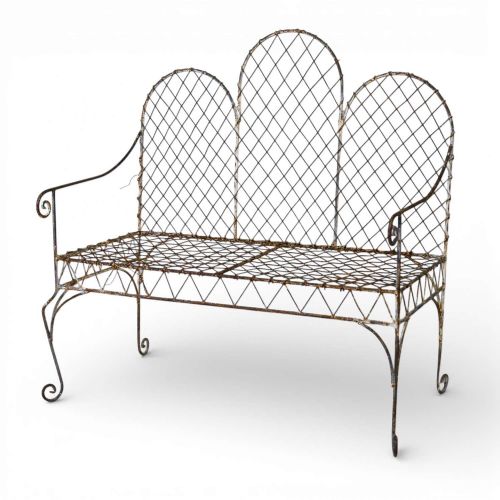
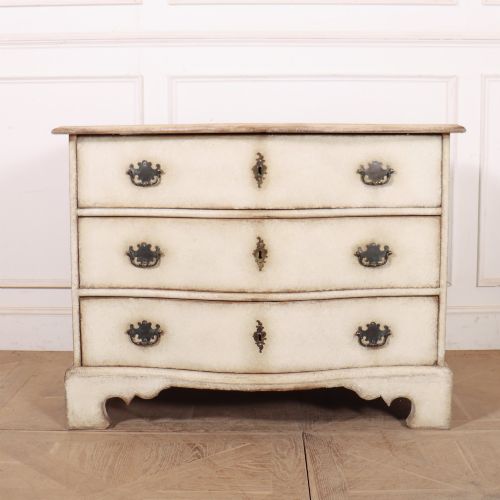
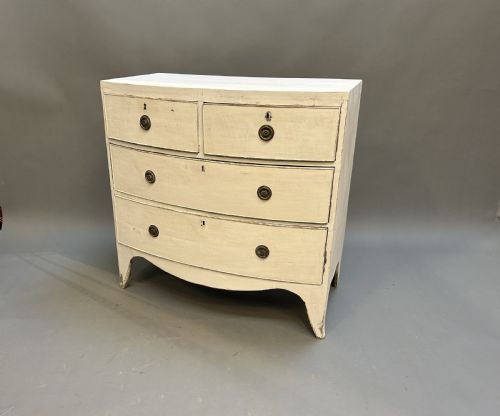
Distressed white furniture spans practical storage and seating forms, including painted pine cupboards, commodes, console tables, and benches originating from various European regions. Pieces range from 18th-century English bureaux and Swedish commodes to 19th-century French etageres and garden benches.
The aesthetic relies on aged and weathered paint surfaces applied to woods like pine, teak, and mahogany. Buyers encounter items showing original surface patination alongside traditional silhouettes such as Gustavian, French Provincial, and Victorian styles.
Functional pieces like kitchen tables, bedside cabinets, and dressers dominate the selection, serving everyday utility while displaying the softened tones of time-worn paint. The overarching style prioritises relaxed domestic warmth over formal polish.
Materials and construction methods
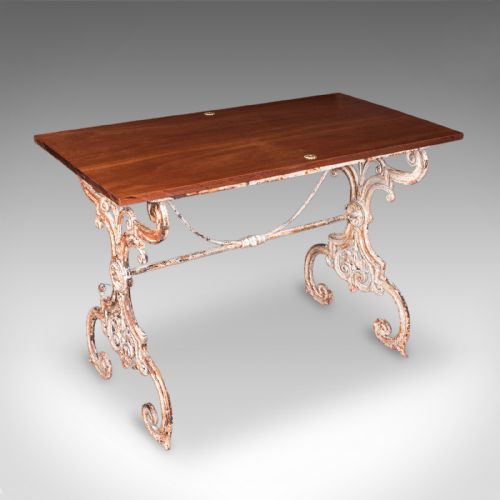
Makers utilised solid timbers such as pine, teak, and mahogany as the structural base for these items, often applying multiple layers of white or pale paint over decades of use. Iron, brass, and wrought or cast metal components appear in hardware, garden benches, and washstands.
Joinery techniques range from country pine construction to refined serpentine commode framing, incorporating carved details and panelled doors. Original surface treatments include weathered garden finishes and worn painted layers that develop character naturally through age.
Distressed White Furniture Retail Price Guide 2026
Typical asking prices for distressed white furniture among the pieces listed under this phrase on Sellingantiques today, from the lower quarter to the upper quarter. They describe what is for sale here now, not the wider market.
Current listings feature painted pine, teak, mahogany, and cast iron across 18th, 19th, and early 20th-century periods.
Factors determining quality
Quality rests in the integrity of the underlying timber framework and the authenticity of the painted surface rather than a uniform finish. Original untouched paint retains historic value, showing organic wear that differs significantly from applied modern distressing.
Proportion and regional detailing separate standard utility items from finer examples, such as carved Swedish commodes or serpentine front consoles. Robust construction in structural elements like bench frames and kitchen tables ensures enduring stability.
The Distressed White Furniture Glossary
- Gustavian
- A Swedish neoclassical style characterised by restrained carved decoration, pale painted finishes, and elegant proportions. It draws inspiration from French Louis XVI design adapted for Scandinavian interiors.
- Commode
- A low chest of drawers or cabinet, often featuring serpentine fronts and decorative painted surfaces. These pieces frequently served bedrooms and reception rooms.
- Serpentine
- A furniture shape featuring a wave-like front with a convex centre flanked by concave curves. This contour requires skilled carpentry, particularly on drawer fronts.
- Settle bench
- A traditional wooden bench with high backs, solid arms, and often enclosed lower storage compartments. They provided protection from drafts in historic kitchens and halls.
- Etagere
- A set of open shelves for displaying small objects, ornaments, or books. These freestanding or wall-mounted units emerged during the 19th century.
Distressed White Furniture: Frequently Asked Questions
How do I care for antique painted furniture?
Dust surfaces gently with a dry, soft cloth to protect fragile historic paint layers from moisture and abrasive cleaners.
Avoid placing these items in direct sunlight or near heat sources to prevent timber splitting and paint flaking.
What defines Gustavian furniture style?
Gustavian design combines French neoclassical elegance with simplified Swedish craftsmanship, featuring muted painted finishes and subtle fluted carvings.
This aesthetic flourished in Sweden during the late 18th and early 19th centuries.
How can I identify original paint?
Original paint exhibits natural craquelure, subtle fading, and worn edges corresponding to genuine handling over many decades.
Under magnification, historic finishes show multiple integrated layers rather than uniform modern coatings.