

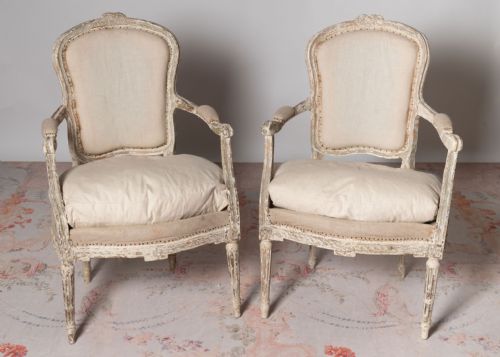


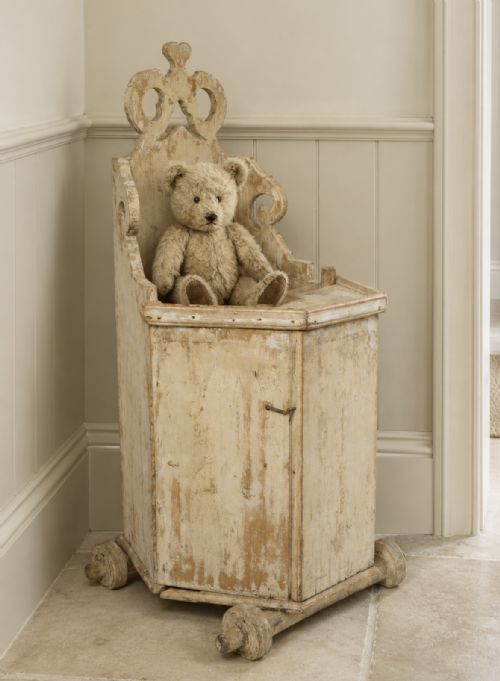


Distressed White Chairs
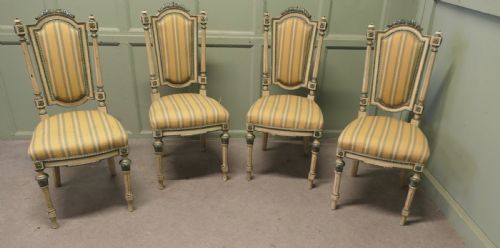
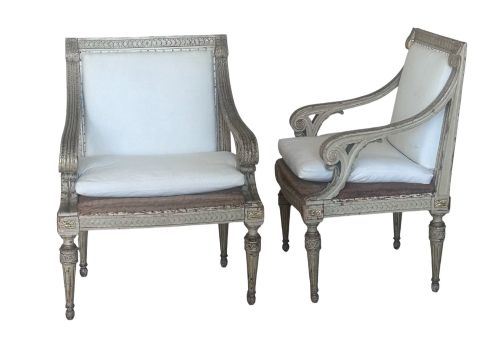
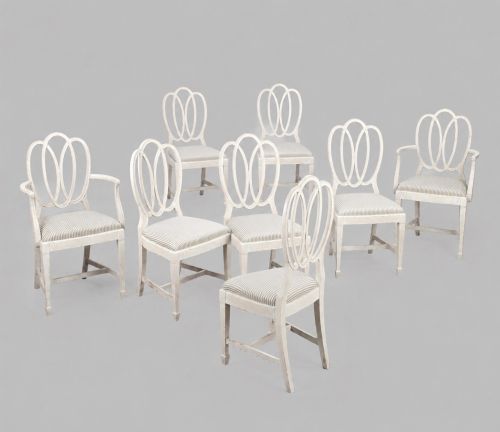
These distressed white chairs bring immediate character to a room through weathered painted wood and classic forms.
Distressed White Chairs
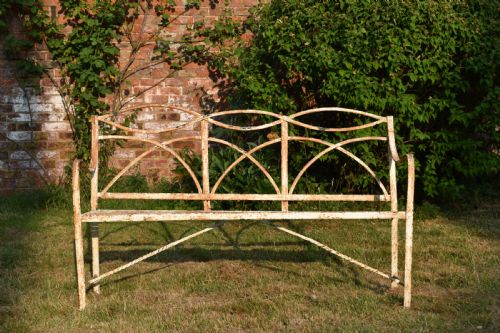
Distressed white chairs encompass a diverse selection of seating, ranging from 19th Century French salon chairs and fauteuils to Georgian and Regency designs, all united by a painted white finish. Buyers seeking this aesthetic will find numerous variations, including sets of dining chairs, pairs of armchairs, and garden benches.
How they were made
These pieces are constructed primarily from solid woods such as beech, mahogany, and general carved wood, shaped into distinct periods including Regency and Hepplewhite styles. The structural framework often relies on traditional joinery before receiving layers of decorative paint.
Surface finishes involve applied paint, sometimes combined with lacquered treatments or faux bamboo carving, creating the signature aged white appearance. Upholstered elements incorporate textile and linen fabrics to complete the seating.
Distressed White Chairs Retail Price Guide 2026
Typical asking prices for distressed white chairs among the pieces listed under this phrase on Sellingantiques today, from the lower quarter to the upper quarter. They describe what is for sale here now, not the wider market.
The listings feature painted wood materials across 19th Century, Victorian, and 1920 eras, encompassing French Chateau and Scandinavian country styles.
What varies in quality
The distinction between tiers rests on the integrity of the underlying woodwork and the authenticity of the surface ageing. Pieces featuring detailed hand-carving and period-appropriate joinery sit above simpler utilitarian constructions.
Visual depth in the painted finish dictates overall refinement, where layered application creates a convincing weathered patina rather than a uniform coat. The harmony between the original frame design and subsequent surface treatments also defines the standard.
The Distressed White Chairs Glossary
- Fauteuil
- An open-armed upholstered armchair originating in France, typically featuring exposed wooden framing. These chairs combine formal elegance with comfortable seating.
- Gustavian Style
- A Swedish interpretation of French neoclassical design, characterised by lighter proportions and restrained carved details. This style frequently employs pale painted finishes.
- Bergere
- An enclosed upholstered armchair with wooden sides and a built-in upholstered back. It offers a deep, relaxed seat.
- Strapwork
- An ornamental motif resembling interlaced leather straps or ribbons, commonly found on Regency garden benches and furniture. It provides geometric visual interest.
Distressed White Chairs: Frequently Asked Questions
How do I clean distressed white chairs?
Dust the wooden frames regularly with a soft, dry cloth to protect the painted surface from accumulating grime. Avoid harsh chemical cleaners that might strip or alter the aged patina.
For upholstered sections, use appropriate fabric attachments on a vacuum cleaner. Address spots gently with mild soapy water tested on a hidden area first.
Are these chairs suitable for daily dining use?
Many sets of dining chairs and side chairs are structurally sound for everyday seating around a table. Check that the wooden joinery remains firm before placing heavy demands on antique frames.
Upholstered salon chairs and armchairs work well in living spaces for relaxing or reading. Ensure the seat webbing and padding support regular weight comfortably.
How do I identify French style chairs?
French chairs often display carved wood motifs, cabriole legs, and neoclassical influences reminiscent of Louis XVI designs. Look for exposed painted frames on fauteuils and bergere armchairs.
Swedish Gustavian pieces share similar neoclassical roots but tend towards straighter lines and simpler carved details. Both traditions favour pale painted finishes over dark wood grains.
Can I use these garden benches outdoors?
Garden benches and garden dining sets are built to withstand outdoor environments, but weathering will continue to affect the painted wood over time. Shelter them during harsher winter months to preserve the structure.
Inspect the paint layer periodically for moisture damage or flaking. Regular maintenance helps protect the underlying timber from decay in damp conditions.