

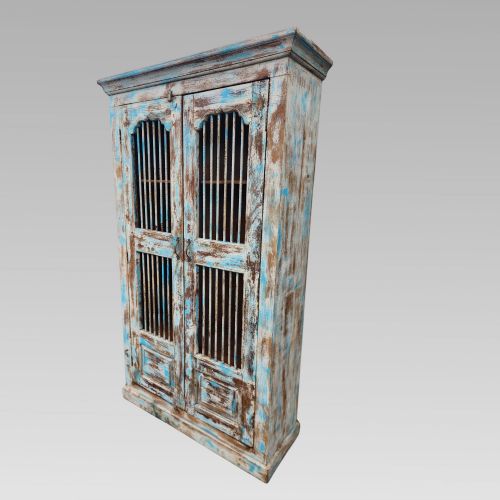
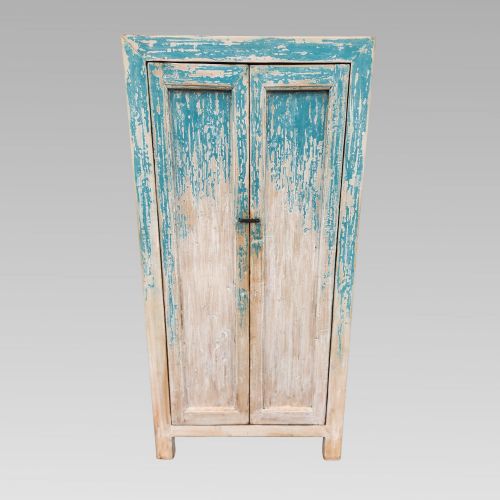


Distressed Painted Shelving
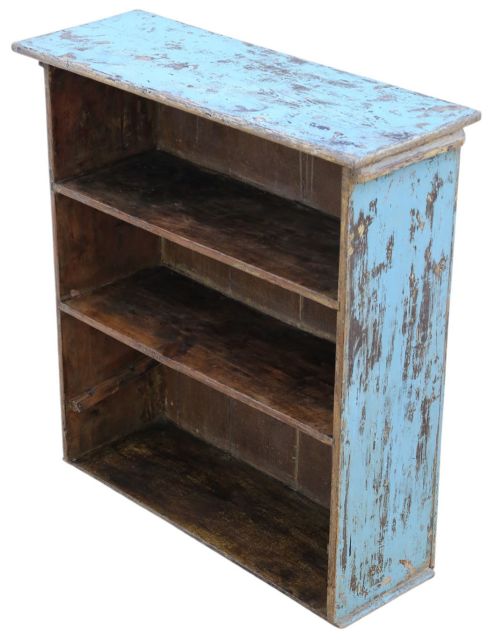
Distressed painted shelving brings utilitarian character and rustic charm into a room through aged timber surfaces and weathered finishes.
Distressed Painted Shelving
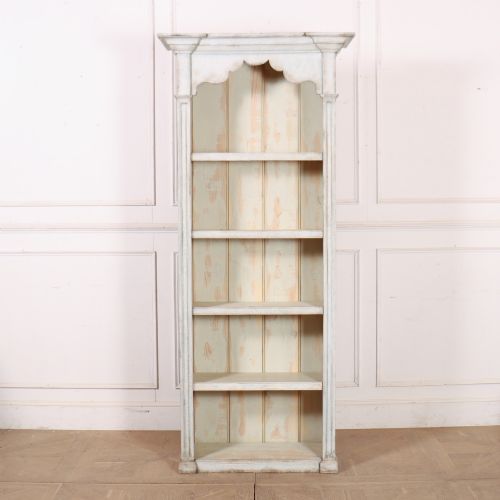
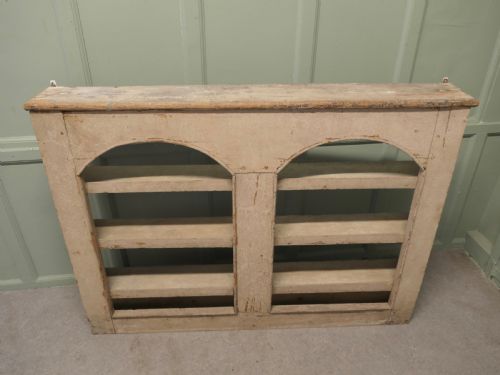
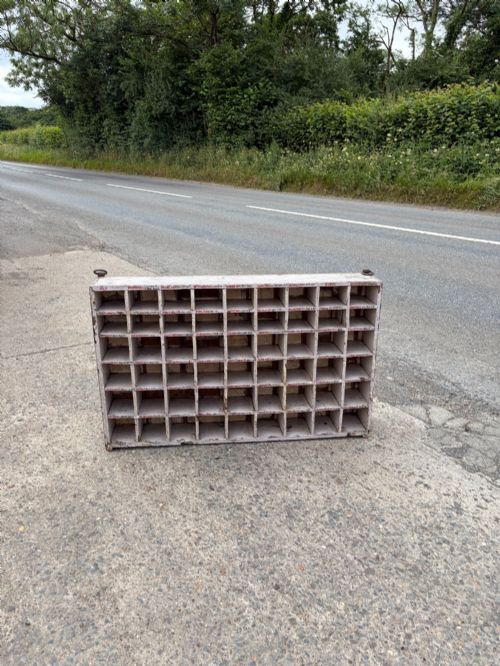
Distressed painted shelving encompasses practical storage units designed with weathered finishes, aged surfaces, and visible wear. Buyers searching for distressed painted shelving encounter a variety of practical forms ranging from tall bookcases and wall shelves to modular pigeon holes and shelved alcove cupboards.
The pieces available on this page originate from distinct eras and regional traditions, spanning the nineteenth century alongside pieces from nineteen-thirty. Common regional interpretations include French provincial designs, Swedish Gustavian models, and rustic Indian storage cupboards.
Forms vary from open display shelving intended for books and ornaments to enclosed cupboards and kitchen dressers that combine shelving with storage. Pine and timber form the core structural materials across these examples, often paired with iron hardware.
How they were made
Construction relies heavily on solid timber foundations, predominantly pine alongside reclaimed teak and cedar. Joinery methods reflect traditional cabinet-making practices suited to domestic storage and display.
Surfaces receive layered treatments involving distemper paint or standard paint applications that weather naturally over time. Iron fittings and structural metal elements provide functional support and hinges on cupboard doors.
A field kitchen dresser brings outdoor practicality straight into the dining room.
What varies in quality
Quality rests upon the integrity of the timber framework and the authenticity of the surface ageing. Original paint layers that show natural patination hold greater appeal than modern artificial distressing.
Proportion and construction depth distinguish standard storage pieces from finer examples. Well-balanced shelving units maintain structural stability while preserving the characteristic surface wear expected in period rustic furniture.
The Distressed Painted Shelving Glossary
- Distemper paint
- A water-based medium utilising size or glue as a binder, yielding a matte finish that chalks slightly with age.
- Gustavian style
- The Swedish interpretation of French neoclassical design, characterised by pale painted finishes and restrained ornamentation.
- Alcove shelving
- Fitted shelving units designed specifically to occupy recessed wall spaces within a room.
- Pigeon holes
- Compartmentalised sets of small open cubbies traditionally utilised for sorting paperwork or small items.
- Pine
- A soft timber widely utilised in European country furniture for its workability and availability.
Distressed Painted Shelving: Frequently Asked Questions
What periods do these shelves come from?
The selection spans the nineteenth century through to the early twentieth century, including Victorian examples and items dated around nineteen-thirty.
Craftsmanship and materials reflect the period of origin, from European country pine to reclaimed Asian hardwoods.
Are these shelves suitable for heavy books?
Most pieces are built from solid timber such as pine, teak, or cedar, providing robust support for everyday book collections.
Alcove units and bookcases designed for display generally offer fixed or adjustable shelving suited to domestic loads.
How do I identify French provincial styles?
French provincial and country pieces typically feature softer painted surfaces, classical proportions, and understated decorative mouldings.
Distressed blue or neutral paint finishes are common characteristics within this regional grouping.
Where were pigeon holes used?
Pigeon holes served a functional purpose in administrative or domestic settings for sorting letters, documents, or small goods.
Today these compartmentalised units function effectively as wall-mounted or freestanding display storage.