





Distressed Metal Furniture
These pieces of distressed metal furniture bring rugged character and enduring utility to any room or garden.
Distressed Metal Furniture
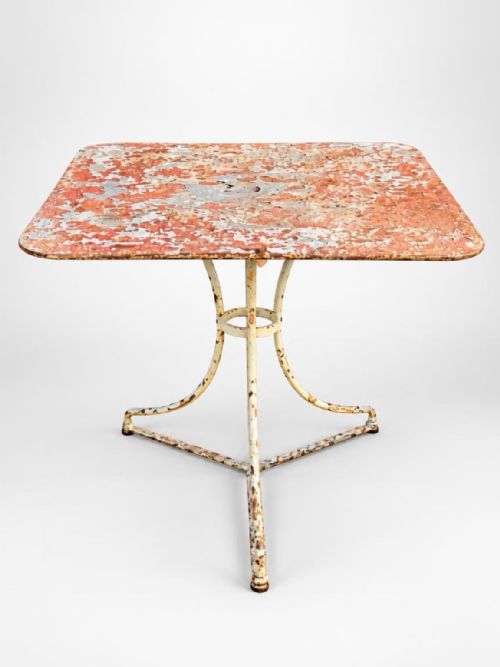
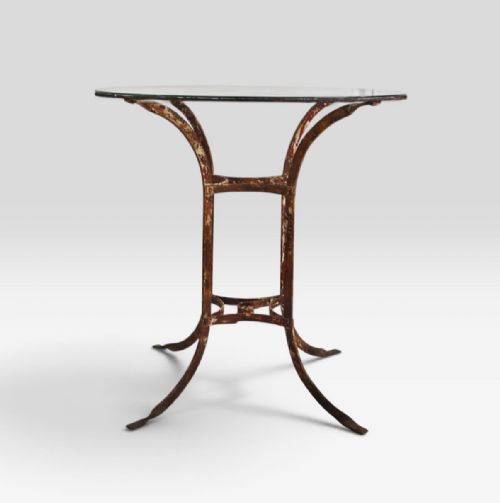
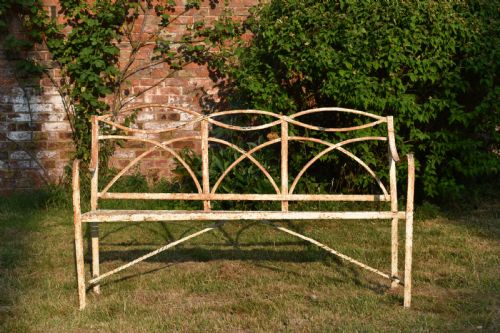
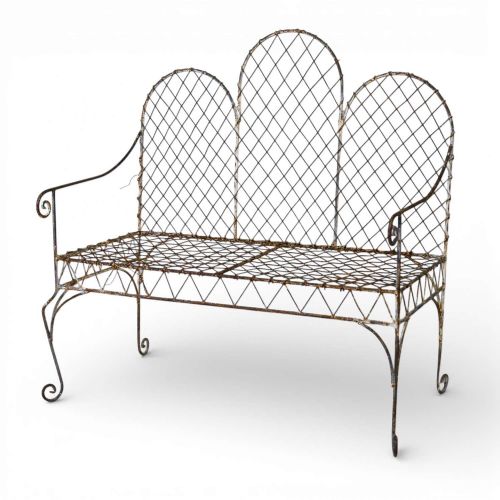
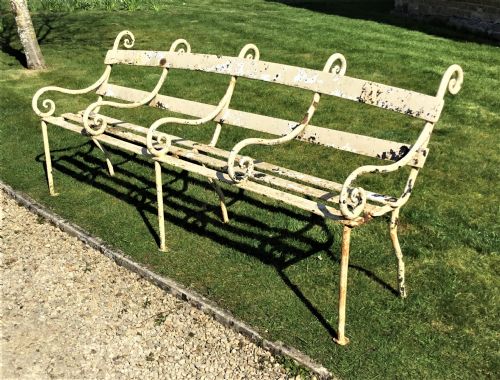
Distressed metal furniture encompasses garden benches, tables, industrial cabinets, and coat stands derived from periods such as the Regency era, the Victorian period, and the early twentieth century. Buyers seeking distressed metal furniture encounter sturdy seating, folding tables, and workshop storage designed for robust service.
Form and function unite in these objects, which transition easily from nineteenth-century garden terraces to modern interiors. Survivors from the eighteen-fifties sit alongside nineteen-twenties folding tables, each demonstrating the utilitarian heritage of early metalwork.
How they were made
Manufacturers built these items using heavy-duty materials including wrought iron, cast iron, steel, and sheet metal, frequently combining them with wood or glass components. Blacksmiths and metalworkers shaped strapwork, formed tubular frames, and riveted plates to construct enduring furniture and storage.
Surface treatments involved applying lead-based or oil paints that have gradually weathered, leaving authentic paint remnants on industrial cabinets and garden tables. Structural joints utilised traditional forging, welding, and mechanical fastening techniques appropriate to the Regency, Victorian, and later industrial periods.
Distressed Metal Furniture Retail Price Guide 2026
Typical asking prices for distressed metal furniture among the pieces listed under this phrase on Sellingantiques today, from the lower quarter to the upper quarter. They describe what is for sale here now, not the wider market.
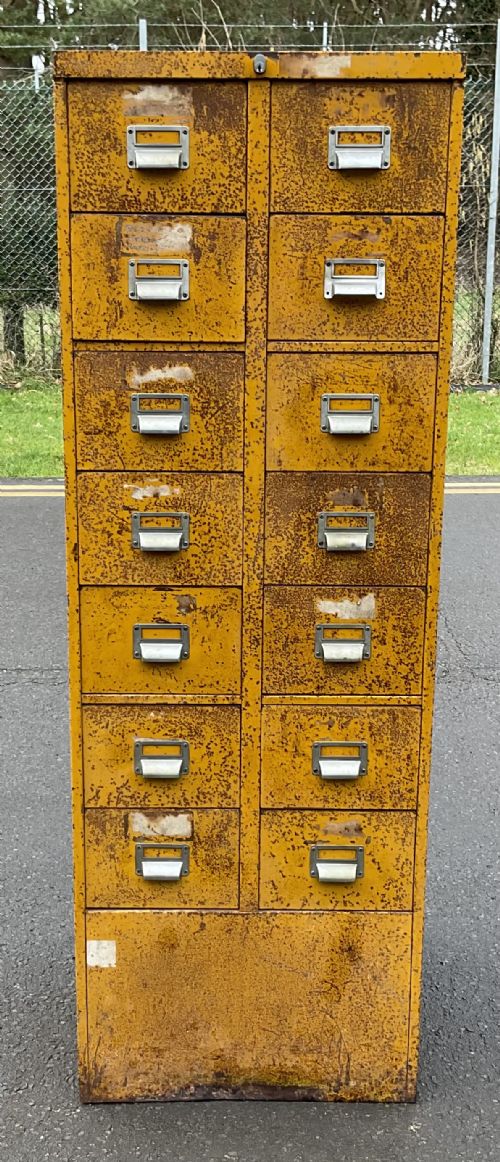
Engineer cabinets still carry faint traces of workshop paint, holding fast to decades of spilled oil and honest toil.
What varies in quality
Quality rests upon the integrity of the original construction and the survival of authentic surface patination. Pieces retaining their initial structural stability without excessive replacement metal command greater respect from discerning collectors.
The sophistication of the metalwork distinguishes finer examples, visible in well-executed strapwork on garden benches or carefully formed decorative motifs on Gothic-influenced frames. Better items display harmonious proportions and purposeful utilitarian design rather than crude mass production.
The Distressed Metal Furniture Glossary
- Strapwork
- Flat strips of metal interwoven or applied in geometric patterns to reinforce surfaces. This technique appears frequently on nineteenth-century garden benches and tables.
- Wrought iron
- Iron that has been heated and hammered into shape by a blacksmith. It offers high tensile strength and distinct fibrous textures visible beneath weathered paint.
- Industrial cabinet
- Heavy storage furniture designed for factories or workshops, constructed from steel or sheet metal with multiple drawers or compartments. These items now serve domestic storage needs.
- Regency
- A British stylistic period spanning the early nineteenth century defined by classical restraint and elegant proportions. Pieces from this era often utilise delicate metal framing.
Distressed Metal Furniture: Frequently Asked Questions
How do I clean distressed metal furniture?
Remove surface dust using a soft dry brush and wipe gently with a damp cloth to preserve aged patinas. Avoid abrasive chemical cleaners that strip remaining original paint and protective wax layers.
Apply a light coat of microcrystalline wax to bare iron surfaces to prevent further oxidation while maintaining the authentic weathered appearance.
Can these garden pieces stay outside year-round?
While wrought iron and cast iron withstand outdoor conditions, prolonged exposure to heavy moisture accelerates corrosion on older sheet metal and steel. Moving items under shelter during winter months prolongs their structural life.
Ensure furniture rests on dry paving rather than damp soil to prevent moisture from rising through the base of the legs.
How do I date a metal garden bench?
Examine the assembly methods, noting whether components utilise hand-forged joinery, early machine screws, or modern welding. Regency and nineteenth-century examples often feature distinct strapwork configurations and heavier iron gauges.
Compare stylistic cues such as French Gothic revival motifs or Victorian casting patterns against documented historical designs from the eighteen-fifties onward.
Are industrial cabinets suitable for domestic interiors?
Tall metal chests and engineer cabinets provide deep drawer storage that fits well in modern kitchens, offices, or living spaces. Their compact footprints and robust construction make them practical alternatives to traditional wooden casework.
The contrasting textures of worn steel and painted finishes introduce industrial character to contemporary room schemes.