





Distressed Blue Furniture
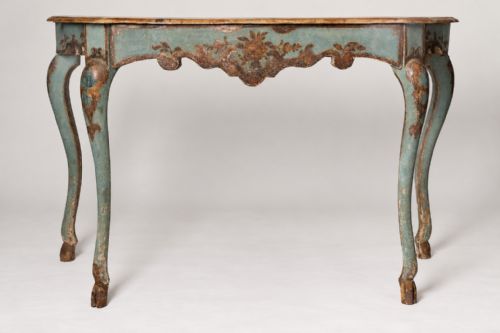
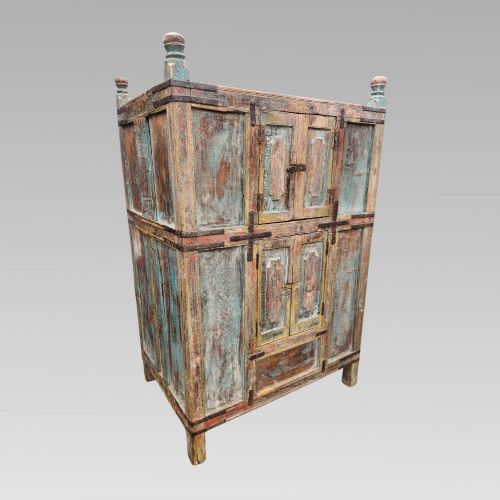
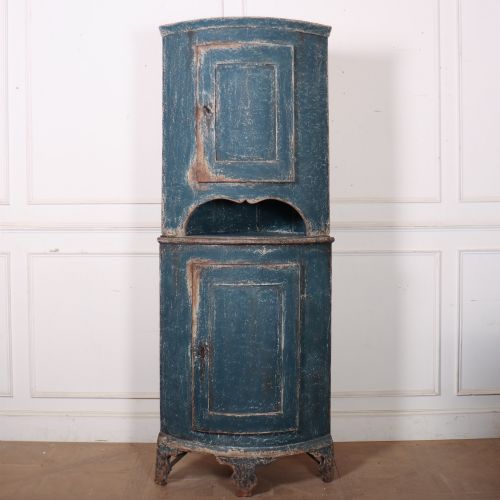
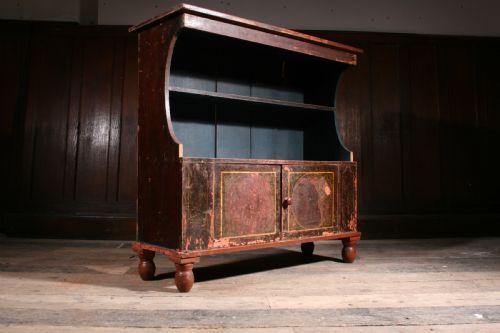
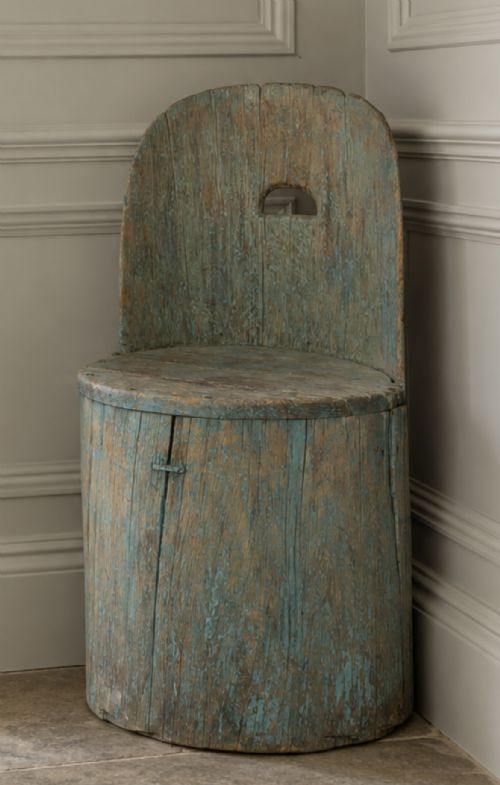
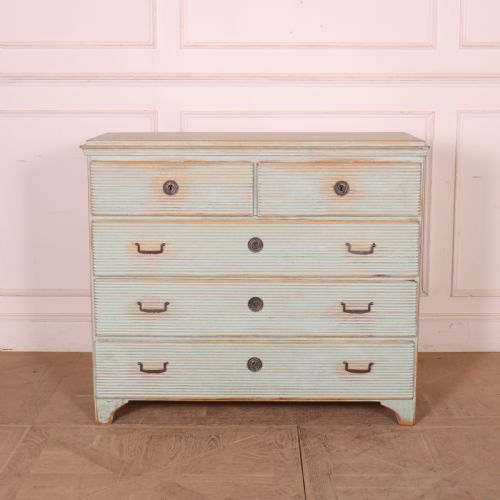
Distressed blue furniture brings character into a room through aged paint surfaces applied across regional pine, oak and softwood forms.
Distressed Blue Furniture
Distressed blue furniture encompasses pieces finished in pigmented coatings that have weathered through decades or centuries of use. Buyers seeking this aesthetic most often encounter Scandinavian country items, particularly Swedish commodes, pine cupboards and side tables originating from the nineteenth and eighteenth centuries.
Form functions vary from large linen cupboards and sideboards to smaller occasional tables, benches and washstands. The underlying timber frequently reflects the domestic requirements of country workshops rather than metropolitan cabinet-making standards.
Materials and construction methods
Construction relies primarily on pine and softwood alongside native hardwoods like oak, shaped by regional joiners using traditional pegged and dovetailed joints. Timber was selected for local availability rather than exotic grain, serving as a stable ground for decorative pigment.
Surfaces received layers of oil or water-based paint, sometimes incorporating faux finishes such as marbled tops or mottled effects to emulate costlier materials. Natural degradation over time causes the blue pigment to flake, soften and thin around high-touch areas like drawer pulls and edges.
Distressed Blue Furniture Retail Price Guide 2026
Typical asking prices for distressed blue furniture among the pieces listed under this phrase on Sellingantiques today, from the lower quarter to the upper quarter. They describe what is for sale here now, not the wider market.
Listings demonstrate a strong representation of nineteenth-century Scandinavian pine furniture finished in various shades of blue paint.
Assessing quality and surface integrity
Quality rests principally in the authenticity of the paint surface and the structural integrity of the underlying timber. Untouched or early paint layers displaying organic wear distinguish superior examples from pieces with later or heavily restored finishes.
Proportion and regional detailing separate standard utility pieces from finer items like serpentine commodes or baroque revival chests. The harmony between the original form and the aged blue patina determines the visual success of the object.
The Distressed Blue Furniture Glossary
- Commode
- A low chest of drawers or cabinet, frequently featuring decorative painted finishes or shaped fronts. Eighteenth and nineteenth-century examples often display regional European characteristics.
- Gustavian
- The Swedish interpretation of French neoclassical design, characterised by restrained carving and pale painted surfaces. Pieces from this style exhibit symmetrical lines and lighter proportions.
- Almirah
- A freestanding storage cupboard or wardrobe originating from South Asia. These utilitarian items often feature substantial panel doors and regional painted or polished finishes.
- Serpentine
- A furniture front characterised by a concave central section flanked by two convex sweeps. This undulating contour demands skilled woodworking to execute cleanly.
- Settle
- A wooden bench featuring a high solid back, enclosed arms and often a storage box beneath the seat. Designed to block draughts in older domestic interiors.
Distressed Blue Furniture: Frequently Asked Questions
How do I clean distressed blue furniture?
Dust surfaces gently using a soft, dry cloth to prevent abrasion to fragile paint layers. Avoid commercial polishes, solvents or damp cloths that might lift or dissolve aged pigment.
Test any cleaning method on a hidden underside area first. Maintaining a stable indoor humidity prevents further flaking of the historic finish.
Are these paint finishes original?
Many pieces retain their original or early decorative paint schemes, though secondary layers are common on utility furniture. Examining the micro-structure under magnification reveals underlying coats and natural oxidation.
Natural wear patterns around handles and edges generally indicate genuine age. Professional conservation reports can provide further clarity on surface history.
How do I distinguish regional styles?
Swedish and Scandinavian pieces often utilise local pine with pale blue pigments and simplified neoclassical motifs. Venetian and Portuguese examples display more elaborate serpentine contours and baroque influences.
English and Welsh items typically employ native hardwoods and simpler vernacular construction methods. Comparing hardware, timber species and joinery helps pinpoint geographical origins.
Where should I place these pieces?
These items function well as statement storage pieces, bedside tables or hallway consoles in contemporary and traditional interiors alike. Their aged blue surfaces introduce focal colour and textural contrast to neutral rooms.
Keep pieces away from direct heat sources and strong sunlight to protect delicate painted pine. Balanced environmental conditions preserve the structural timber and the fragile surface patination.