


Display Storage Unit
A display storage unit organises treasured objects while keeping them safely enclosed behind glass or arranged openly on sturdy timber shelves.
Display Storage Unit
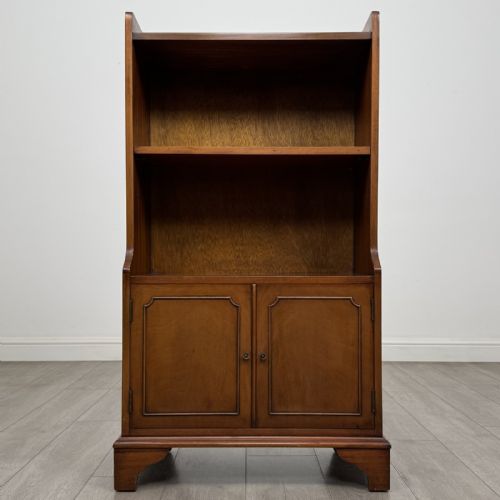
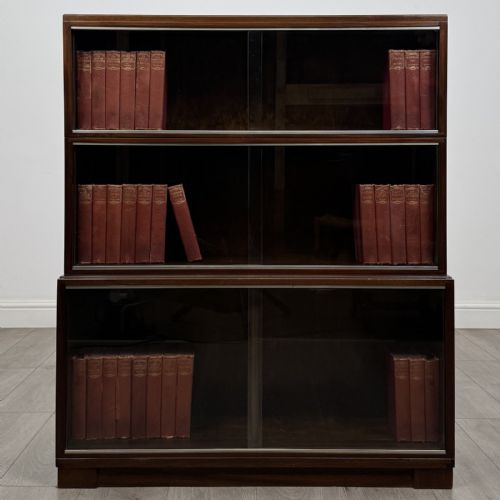
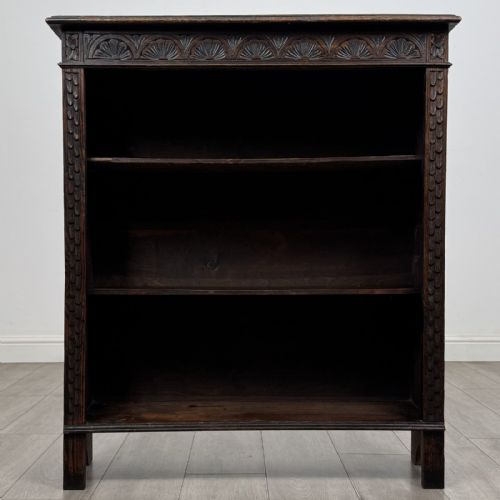
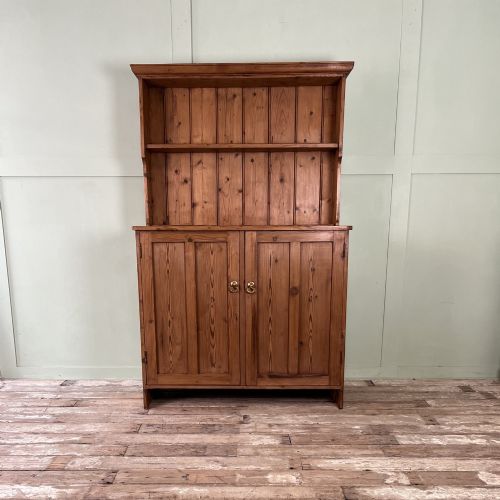
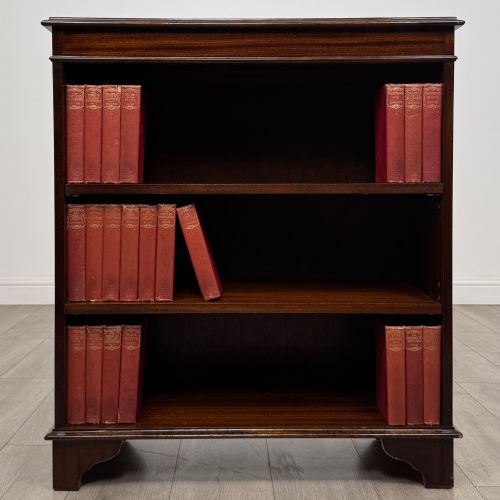
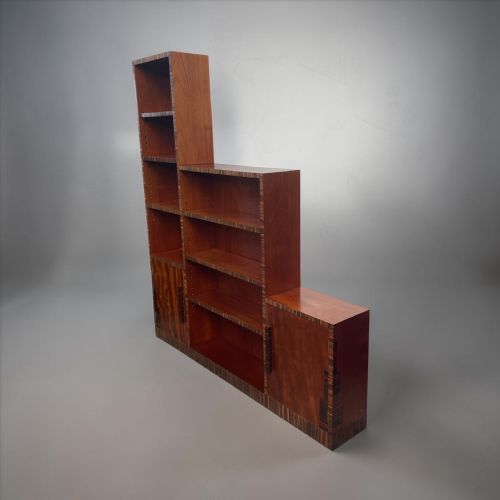
A display storage unit combines the practical requirements of keeping household items tidy with the desire to showcase ceramics, books, and collections. The pieces gathered under this phrase span several centuries, reaching from the robust proportions of Georgian and 18th-century country designs to the refined lines of the Edwardian era and the clean geometries of 1930s Art Deco.
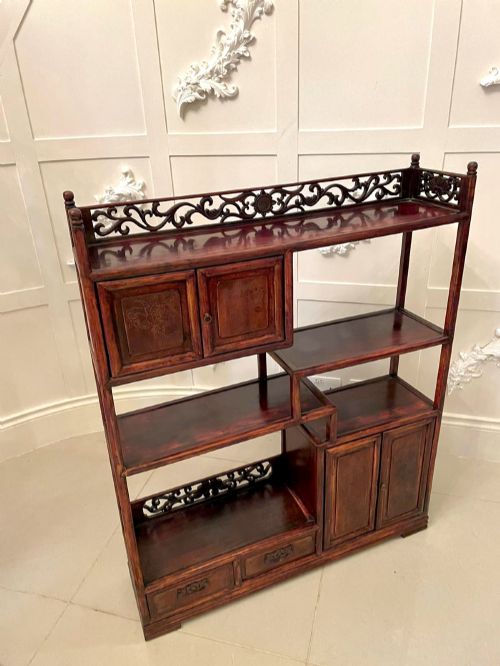
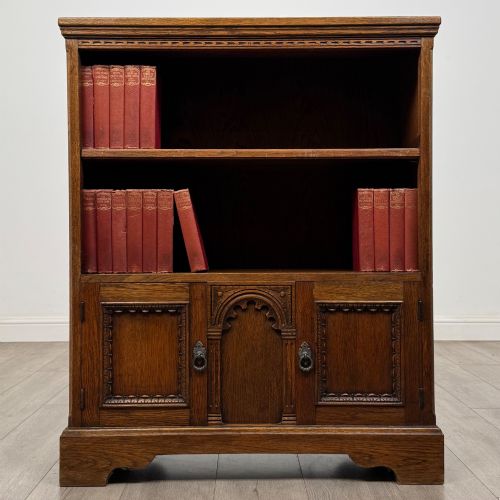
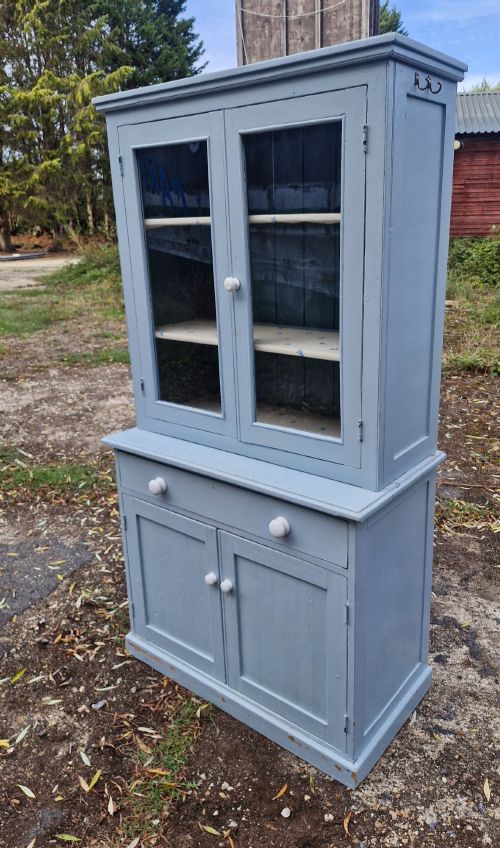
The versions most commonly met on this page include oak and mahogany bookcases, glazed display cabinets, corner cupboards, and pine kitchen dressers. These items arrive from various contexts, ranging from formal English parlours to provincial French farmhouses and Chinese workshops.
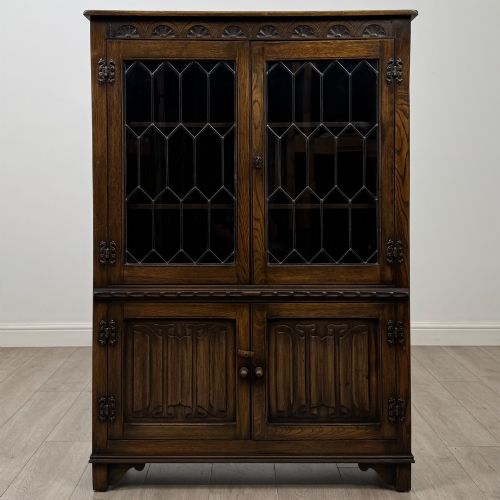
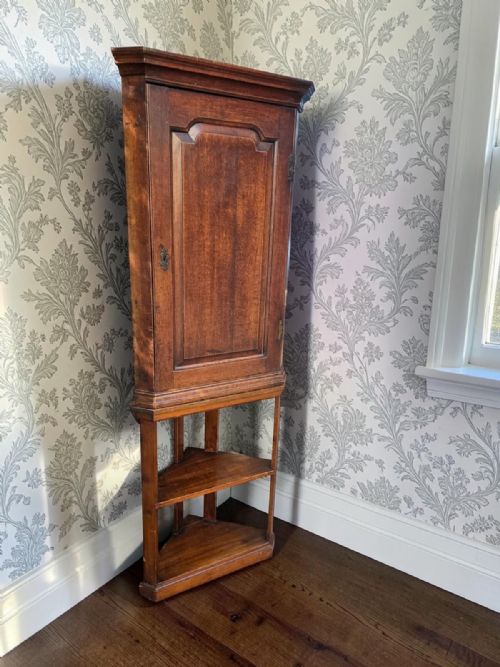
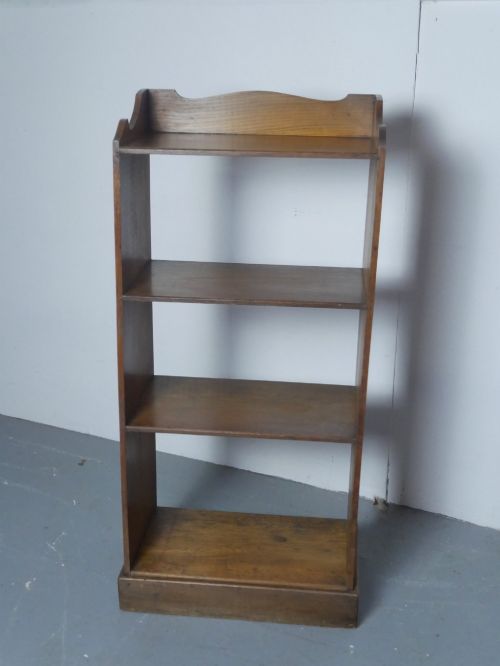
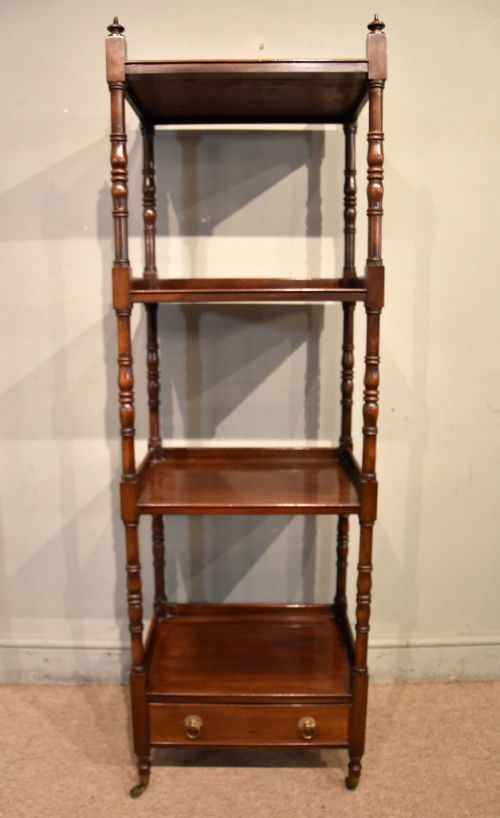
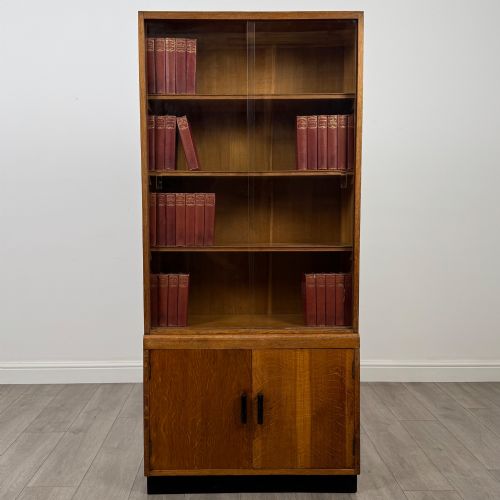
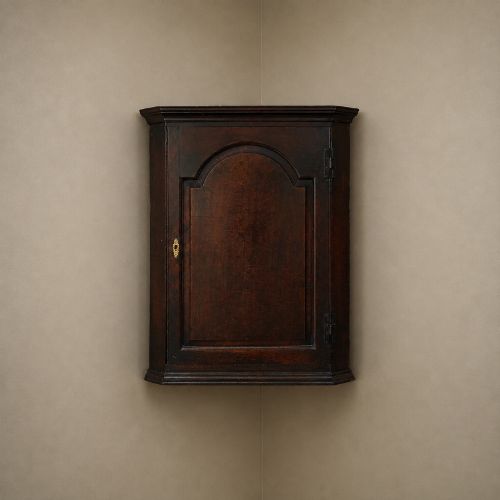
Forms vary from floor-standing multi-tiered bookcases and two-part cupboards to wall-hanging corner units and open-backed shelving. Each variation serves the fundamental purpose of holding possessions securely while maintaining visual access through leaded, sliding, or hinged glass panels.
Materials and Construction
Cabinet makers relied heavily on dense timbers such as oak, mahogany, walnut, and rosewood, alongside more utilitarian woods like pine for kitchen dressers and painted cupboards. These primary woods were frequently selected for their durability and grain patterns, which responded well to carving, waxing, and inlay work.
Secondary materials played a crucial structural and decorative role, incorporating brass for handles, hinges, and hardware, alongside iron for specialised baker racks and scroll-work fittings. Glass was meticulously fitted into doors and panels, utilising both standard panes and decorative leaded configurations to protect contents from dust while maintaining visibility.
Display Storage Unit Retail Price Guide 2026
Typical asking prices for display storage unit among the pieces listed under this phrase on Sellingantiques today, from the lower quarter to the upper quarter. They describe what is for sale here now, not the wider market.
Listings feature items from the 18th, 19th, and early 20th centuries, utilising oak, mahogany, pine, walnut, and rosewood.
Evaluating Quality
Quality rests primarily on the integrity of the timber selection and the precision of the joinery employed during construction. Pieces that retain their original hardware, well-fitted glass doors, and stable structural frames without excessive modification stand apart from heavily altered examples.
The refinement of decorative elements, such as carved oak panels, mahogany inlay, and well-executed bracket feet, distinguishes standard utilitarian storage from finer cabinet work. Proportion and balance further separate master-built pieces from simpler provincial vernacular furniture.
The Display Storage Unit Glossary
- Bookcase
- A piece of furniture consisting of horizontal shelves used for storing books. Many examples incorporate glazed or wooden doors and lower drawers.
- Corner Cupboard
- A specialised storage cabinet designed to fit neatly into the corner of a room. These can be wall-hanging or floor-standing variants.
- Chiffonier
- A low sideboard or cabinet featuring shelves and cupboards. This form developed during the 19th century for dining and drawing rooms.
- Linenfold
- A style of carved wooden panelling resembling folded cloth. It is frequently encountered on period oak cabinets and cupboards.
Display Storage Unit: Frequently Asked Questions
How do I choose between open and glazed shelving?
Open shelving provides immediate access and a casual presentation suitable for everyday books and kitchen items. Glazed cabinets protect delicate ceramics and collectables from dust while keeping them visible.
Consider the environment where the unit will live and whether the contents require physical protection from daily use.
Where were corner cupboards placed?
Corner cupboards were traditionally utilised to maximise awkward or unused spatial angles in dining rooms, parlours, and kitchens. Their triangular footprints allowed them to sit flush against intersecting walls.
Wall-hanging versions freed up valuable floor space, while floor-standing models offered heavier, more stable storage capacities.
How do I date an oak bookcase?
Dating an oak bookcase involves examining construction techniques, hardware, and stylistic indicators such as carved panels or bracket feet. Earlier 18th-century pieces often display hand-cut joinery and provincial vernacular characteristics.
Later Victorian and Edwardian examples frequently incorporate machine-sawn elements, adjustable shelf mechanisms, and factory-produced brass fittings.