



Display Coffee Table
A display coffee table brings surface utility and visual depth to a room, offering low-level places to gather items or exhibit objects.
Display Coffee Table
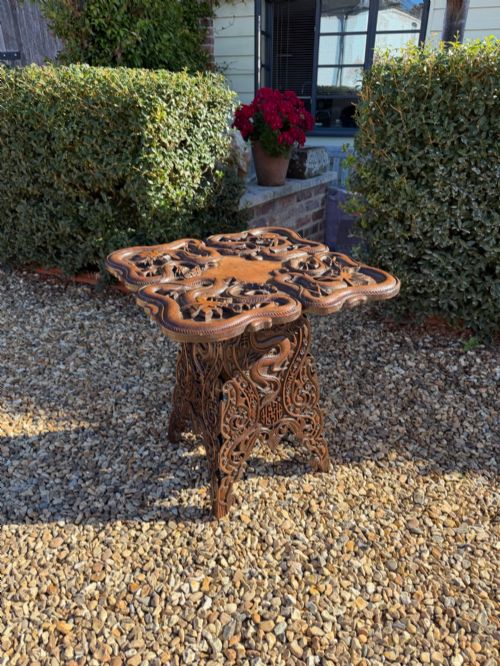
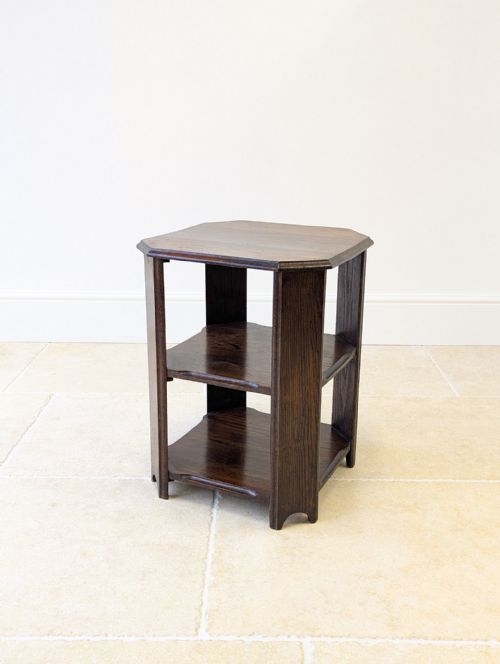
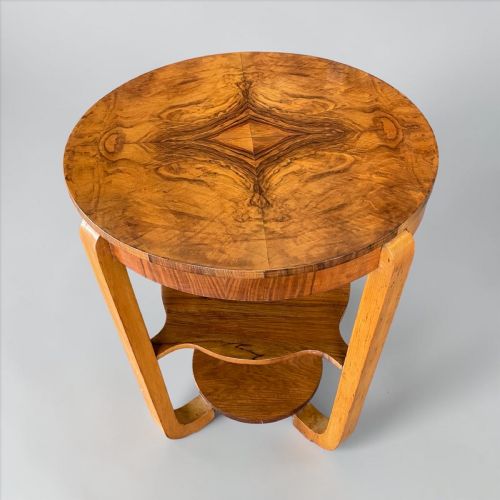
When you search for a display coffee table, you encounter low tables, occasional tables, and low etagere forms adapted to modern living from earlier periods. The selection spans Edwardian, Art Deco, Victorian, and Regency eras, alongside Qing Dynasty and Anglo-Indian examples.
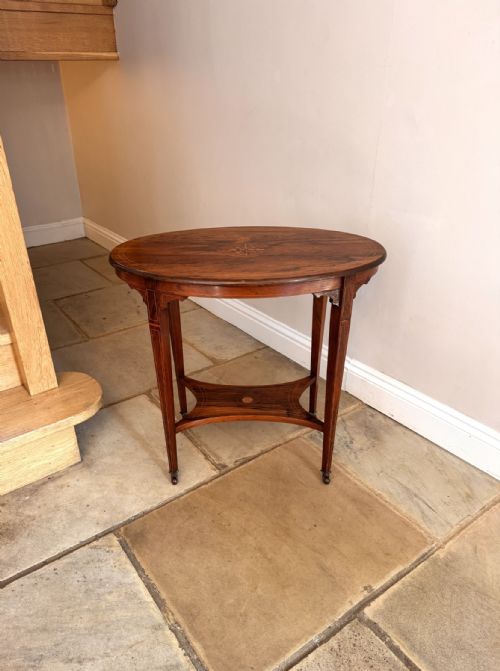
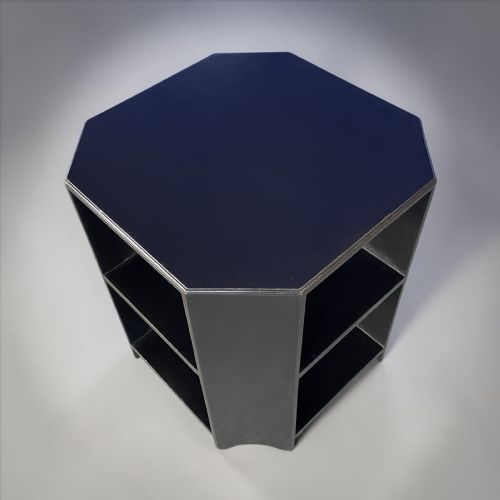
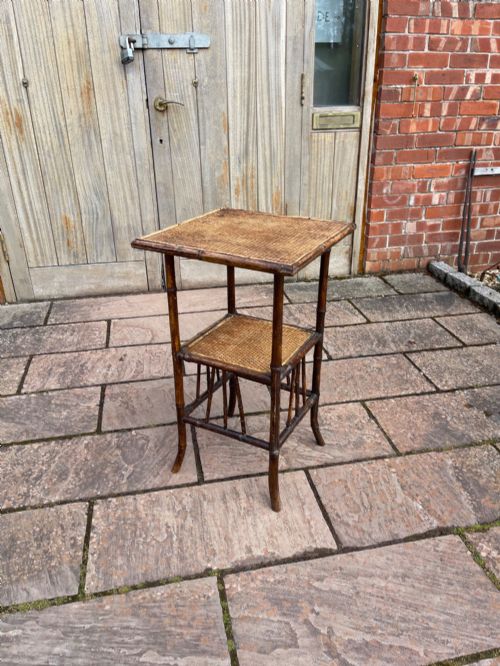
The most common formats on this page include occasional tables, side tables, and low tables in various shapes such as octagonal, oval, circular, and rectangular. Many incorporate multiple tiers, trays, or shelving for storage and display.
Origins vary widely, taking in French Provincial oak tables, Kashmiri walnut pieces, and Chinese hardwood scholar's tables or nests of tables. This variety allows a display coffee table to anchor diverse interior schemes with historical character.
How they were made
Construction relies heavily on traditional timber framing using woods such as mahogany, walnut, oak, rosewood, satinwood, and hardwood. Craftsmen often enhanced these surfaces with boxwood inlay, ebonisation, or carved detailing.
Alternative materials appear in specific forms, including brass framing, marble inserts, paper-mâché, and bamboo. These components demonstrate the varied techniques applied across European and Asian workshops during the nineteenth and early twentieth centuries.
Display Coffee Table Retail Price Guide 2026
Typical asking prices for display coffee table among the pieces listed under this phrase on Sellingantiques today, from the lower quarter to the upper quarter. They describe what is for sale here now, not the wider market.
French tailors once utilised these specific oak display tables to arrange their wares before the pieces found a second life in homes.
What varies in quality
Quality rests on the selection and handling of materials, from finely figured mahogany and satinwood veneers to intricately carved Qing Dynasty hardwood and specialised paper-mâché work. The precision of inlaid boxwood and the stability of multi-tiered structures define the upper tier of execution.
Design ambition separates standard occasional furniture from exceptional pieces, seen in distinctive forms like octagonal shapes, brass-framed etageres, and tailored shop display tables. Structural integrity combined with refined decorative details marks the distinction between ordinary and superior examples.
Jennens and Bettridge
The Display Coffee Table Glossary
- Occasional table
- A small, movable table designed for light use around a room. These forms provide flexible surface space and often feature multiple tiers.
- Etagere
- A set of open shelves for displaying small objects or ornaments. Examples frequently incorporate brass frames and satinwood or multiple tiers.
- Inlay
- A technique where pieces of contrasting wood, such as boxwood, are inserted into a recessed surface to form decorative patterns. This method frequently defines Edwardian mahogany pieces.
- Kang table
- A low Chinese table traditionally used for sitting or sleeping on heated platforms. These smaller-scale hardwood pieces function well as low display tables.
- Hongmu
- A dense, dark Chinese hardwood prized for scholarly furniture and stands. Items in this material display fine natural grain and precise carving.
Display Coffee Table: Frequently Asked Questions
What is a display coffee table?
A display coffee table is typically a low table adapted from earlier occasional, side, or etagere forms to suit modern living rooms. They provide a surface for everyday items while offering visual interest through lower tiers or glazing.
These pieces draw on diverse historical styles, ranging from Edwardian inlaid mahogany to Art Deco walnut and Chinese hardwood designs.
How do I style a low etagere?
A low etagere provides multiple levels for arrangement, allowing you to balance functional items on top with decorative objects below. Brass-framed and satinwood versions add lightness and reflective quality to a space.
Keep proportions in mind by pairing the low height of the table with appropriate seating and avoiding overcrowding on the display shelves.
How do I identify Edwardian tables?
Edwardian tables frequently feature mahogany or rosewood construction enhanced with delicate boxwood inlay. Common silhouettes include oval, circular, and two-tier occasional formats.
They often reflect Sheraton Revival influences, displaying refined proportions and lighter framing compared to earlier Victorian furniture.
Where were Qing Dynasty tables used?
Qing Dynasty tables and stands served specific functional roles in scholarly or domestic interiors, including Kang tables used on raised platforms and scholar's tables carved from hongmu or other hardwoods.
Their lower scale and intricate carved details make them adaptable as striking focal points in contemporary rooms.