






Diamond Set Shoulders
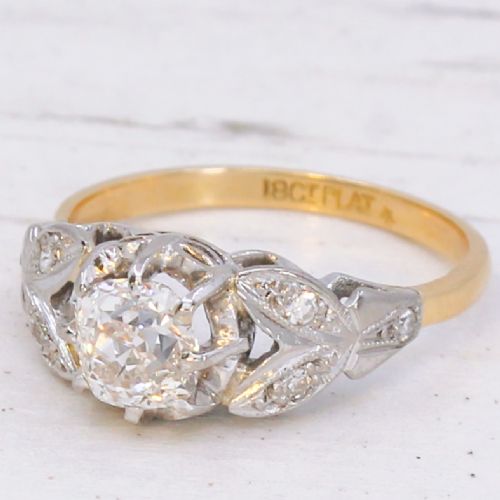
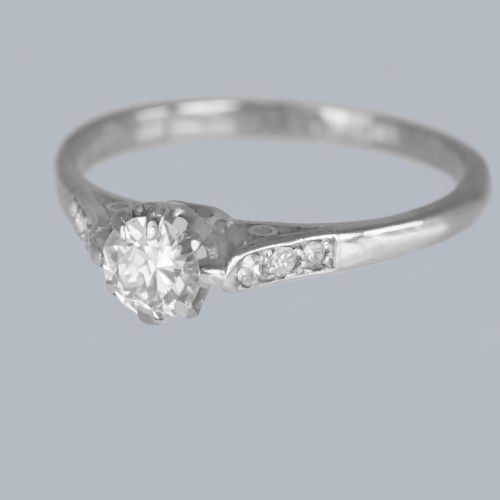
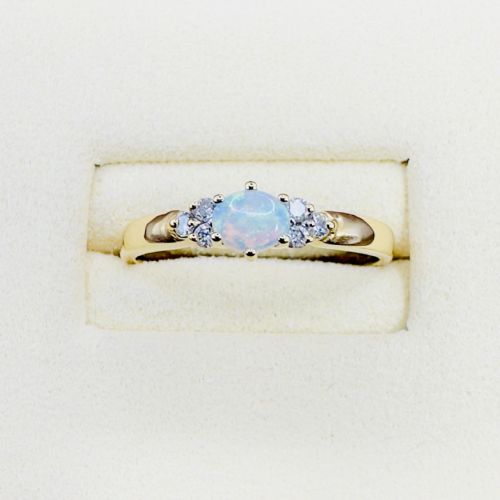
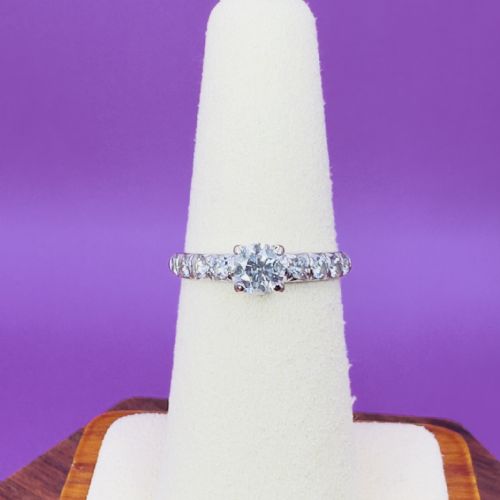
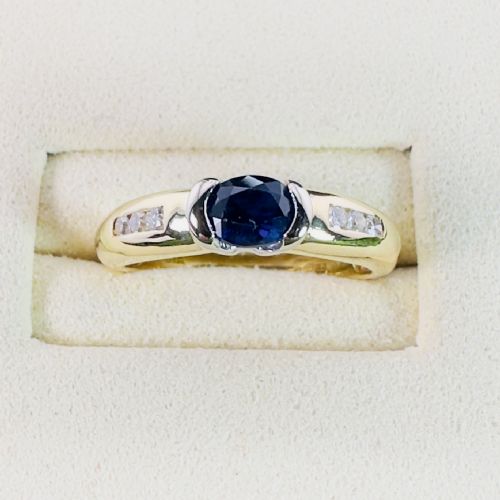
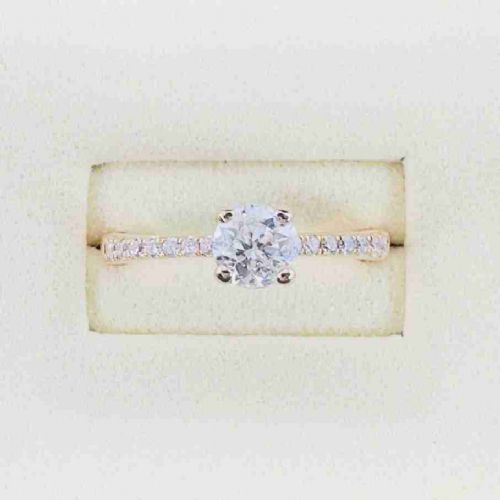
Diamond set shoulders bring subtle brilliance right down the band, framing the main stone in platinum or gold.
Diamond Set Shoulders
When you search for diamond set shoulders, you find rings configured primarily as solitaire or cluster engagement rings that carry smaller stones embedded along the upper band. These designs direct extra light towards the centre stone from every angle.
Materials range from platinum and 18ct white, yellow, and rose gold down to 9ct gold and 14ct gold. Central gems paired with these shoulders include diamonds, sapphires, opals, black diamonds, and pearls.
How they were made
Goldsmiths and platinum-smiths set smaller stones into channels, star gypsy settings, or pavé arrangements directly along the band. These shoulders frequently complement central stones shaped as old cuts, transitional cuts, brilliant cuts, oval cuts, cushion cuts, or princess cuts.
Metals were selected for their durability and colour contrast, combining platinum settings with yellow or white gold bands. Construction techniques varied from hand-beaten Victorian gypsy bands to geometric Art Deco platinum mountings.
Materials incorporate platinum, black diamonds, opals, and various gold purities.
What varies in quality
Quality rests on the integration of the shoulder stones with the central gem and the overall integrity of the metalwork. Superior pieces display precise stone alignment and secure flush or bead settings that protect the smaller diamonds along the band.
The balance between the main stone, whether a sapphire, opal, or large diamond, and the supporting shoulder stones determines the visual harmony of the ring. Heavier platinum and solid 18ct gold mounts generally indicate higher manufacturing standards than lighter 9ct equivalents.
The Diamond Set Shoulders Glossary
- Shoulders
- The upper sections of a ring band as it approaches the central setting. These areas often carry engraving or pavé-set small diamonds.
- Solitaire
- A ring featuring a single prominent gemstone set into the centre of the band. Shoulder stones are frequently added to enhance this central focus.
- Old cut
- A traditional diamond cutting style characterised by a high crown, small table, and deep pavilion. These stones appear frequently in antique and Art Deco pieces.
- Gypsy set
- A mounting style where the gemstone is flush-embedded directly into the thick metal band. This technique creates a smooth surface profile.
- Transition cut
- A diamond cut used during the shift from old European cuts to modern brilliants. These stones display facets bridging older and newer optical properties.
Diamond Set Shoulders: Frequently Asked Questions
What is a diamond set shoulder ring?
These pieces are rings, predominantly engagement rings, where the metal band on either side of the main stone holds smaller diamonds. This design adds supplementary sparkle along the finger.
Such configurations appear across multiple historical periods, combining gold or platinum with central gems like sapphires, opals, and diamonds.
How can I tell an Art Deco ring?
Art Deco rings utilise platinum mountings, geometric frameworks, and old European or brilliant cut diamonds. Their construction emphasises clean lines and architectural symmetry.
Shoulders from this era often feature pavé or illusion settings that maximise the play of light across the band.
Are these rings suitable for daily wear?
Platinums and 18ct golds provide robust foundations for everyday use, especially when combined with secure channel or flush shoulder settings. Heavier bands withstand normal daily activity reliably.
Lighter 9ct gold or antique pieces with intricate gallery work benefit from more careful handling to preserve the smaller stones.
What is an old cut diamond?
Old cut stones possess hand-polished facets designed under candlelight, featuring smaller tables and deeper proportions than modern stones. They appear frequently in Victorian and Edwardian pieces.
These cuts produce a softer, warmer scintillation compared to the bright white return of contemporary brilliant cuts.