



Diamond Set Bracelet
A diamond set bracelet brings enduring sparkle to the wrist, offering timeless elegance through precious stones and metals.
Diamond Set Bracelet
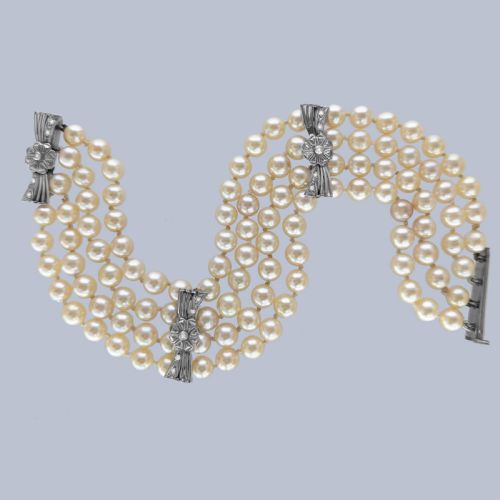
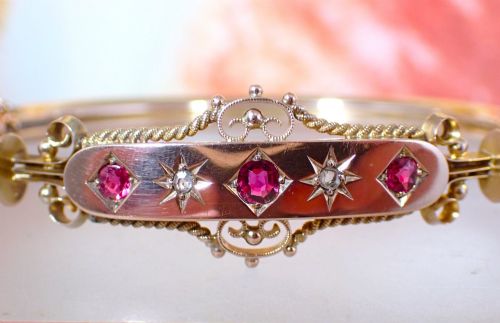
A diamond set bracelet encompasses a range of fine jewellery and watches, appearing in distinct periods such as Victorian, Edwardian, and Art Deco designs. Buyers searching for a diamond set bracelet encounter various forms including flexible line bracelets, hinged bangles, multi-strand pearl pieces, and gemstone-accented cocktail timepieces.
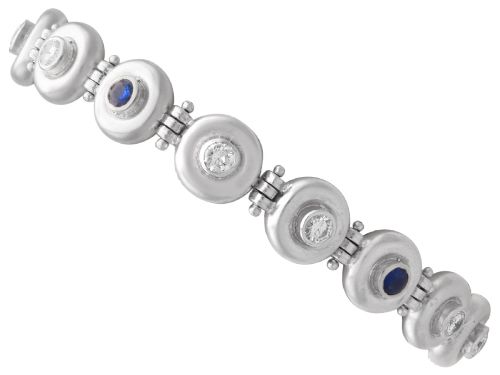
The selection on this page spans from the early nineteenth century through the mid-twentieth century, showcasing diverse stylistic evolutions. Pieces frequently combine diamonds with precious coloured stones like sapphires, rubies, and opals, mounted in white gold, yellow gold, or platinum settings.
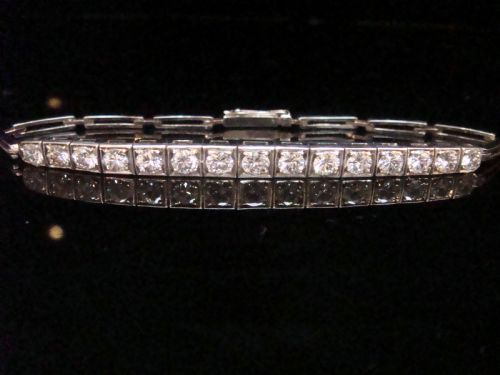
The most common formats met here include delicate Edwardian white gold mountings, geometric Art Deco platinum tennis bracelets, and substantial mid-century sapphire and diamond arrangements. Each piece reflects the prevailing aesthetic sensibilities of its decade of origin, from delicate floral motifs to bold structural geometry.
Materials and construction techniques
Goldsmiths and platinumsmiths utilised precious metals to form the structural foundations of each piece, employing platinum alongside 9ct, 15ct, and 18ct white and yellow golds. Metal selection dictated the weight and durability of the mounting, with platinum gaining particular favour during the Art Deco era for its strength in delicate, intricate frameworks.
Master jewellers secured stones using specialised metalworking techniques, integrating collet settings, prong mountings, and channel configurations to hold diamonds and gemstones firmly in place. Faceted brilliant cuts, rose cuts, and graduated diamond arrangements were painstakingly hand-set into bracelets, bangles, and watch cases.
Diamond Set Bracelet Retail Price Guide 2026
Typical asking prices for diamond set bracelet among the pieces listed under this phrase on Sellingantiques today, from the lower quarter to the upper quarter. They describe what is for sale here now, not the wider market.
Timepieces disguised as jewelled bracelets allowed Victorian and Edwardian ladies to check the hour discreetly during long social calls.
Assessing craftsmanship and design
The upper tier of these pieces demonstrates superior stone selection and meticulous hand-finishing, where individual diamond cuts align precisely to create an uninterrupted surface of reflection. Master craftsmanship is visible in the articulation of flexible links and the seamless integration of clasps within the overall pattern.
Lesser examples display less uniform gemstone matching or heavier, less refined metalwork that obscures the brilliance of the stones. The overall harmony between the central gems, supportive metals, and secure mounting structure ultimately determines the standing of each piece.
The Diamond Set Bracelet Glossary
- Collet setting
- A method of securing a gemstone where a low metal collar surrounds the girdle of the stone, holding it flush within the mounting. This technique provides a clean, secure outline popular in antique jewellery.
- Tennis bracelet
- A flexible line bracelet composed of a symmetrical sequence of closely matched diamonds linked continuously around the wrist. The term gained widespread currency in later decades following a famous sporting incident.
- Rose cut
- An antique gemstone cutting style featuring a flat base and a domed crown composed of triangular facets arranged in a symmetrical pattern. This cut produces a soft, subtle lustre rather than intense modern brilliance.
- Cocktail watch
- A decorative timepiece designed primarily for formal evening wear, incorporating mechanical watch movements concealed beneath gem-set covers. These pieces function simultaneously as functional timepieces and high-value adornments.
Diamond Set Bracelet: Frequently Asked Questions
How do I wear an antique bracelet safely?
Antique bracelets benefit from careful handling during social events, avoiding exposure to harsh chemicals, perfumes, or water immersion. Storing them individually prevents scratching between softer gold mountings and harder diamond surfaces.
Checking safety chains and clasps before wearing ensures the piece remains secure on the wrist. Regular professional inspection of the settings maintains the structural integrity of older platinum and gold mountings.
How can I tell an Edwardian piece from an Art Deco one?
Edwardian pieces typically showcase delicate platinum-on-gold work, incorporating lace-like filigree patterns, millegrain edging, and softer organic motifs. The focus rests heavily on lightness and intricate openwork design.
Art Deco jewellery shifts toward bold geometric symmetry, strong straight lines, and heavier platinum use. The contrast between calibre-cut coloured stones and bright white diamonds defines this later aesthetic.
What is the difference between a bangle and a bracelet?
A bangle is a rigid circular or oval band that slips over the hand or opens via a hinged mechanism with a secure clasp. They maintain their fixed structural shape while worn on the wrist.
A bracelet is flexible, constructed from linked segments, mesh, or multi-strand pearls that conform closely to the contours of the arm. This flexibility allows for comfortable everyday movement.
Are these watches still operational?
Many vintage cocktail watches retain functional mechanical movements that require manual winding to keep accurate time. Periodic servicing by a specialist horologist ensures the internal gears remain clean and operational.
While they function as reliable timekeepers when maintained, their primary appeal lies in the exceptional gem-setting and precious metal artistry of the watch cases.