





Diamond Bow Jewellery
Diamond bow jewellery brings together sparkling stones and delicate metallic ribbon motifs, offering centuries of refined ornamentation for the discerning collector.
Diamond Bow Jewellery
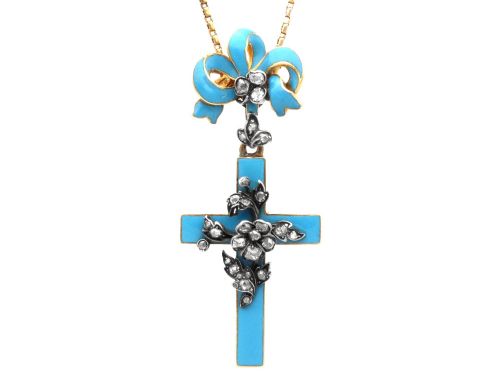
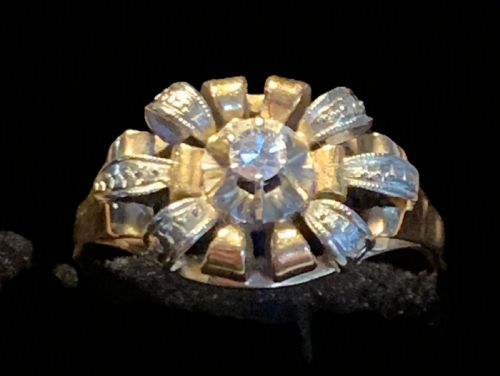
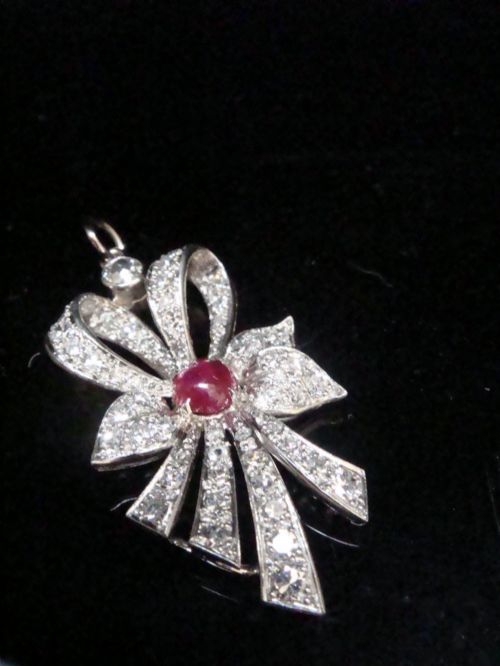
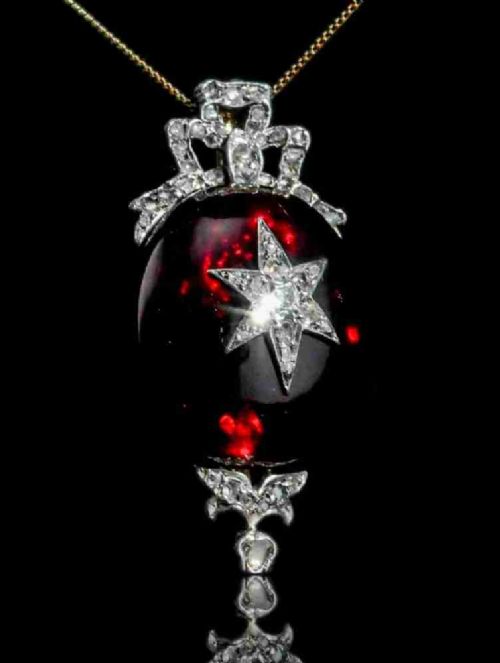
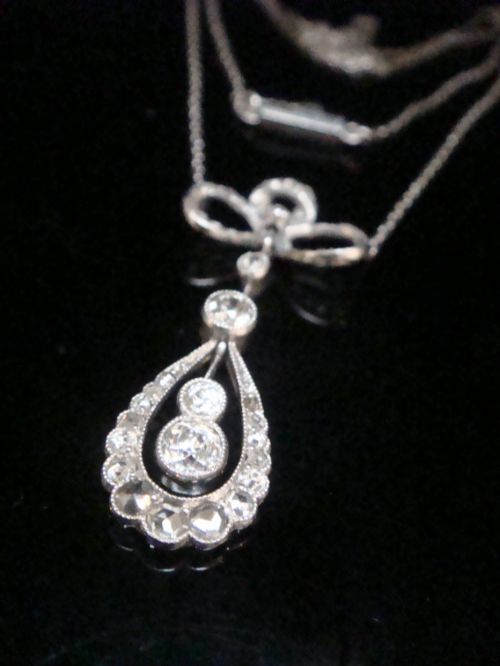
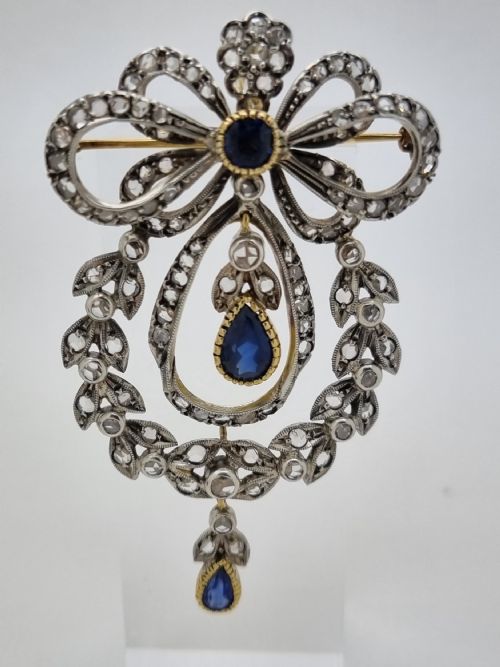
When you search for diamond bow jewellery, you encounter a refined selection of brooches, pendants, necklaces, and rings shaped like ribbon knots. These pieces span several eras, though Edwardian platinum and gold creations dominate the current selection alongside earlier Georgian and Victorian examples. The form serves as both a central motif and a delicate accent across various decorative items.
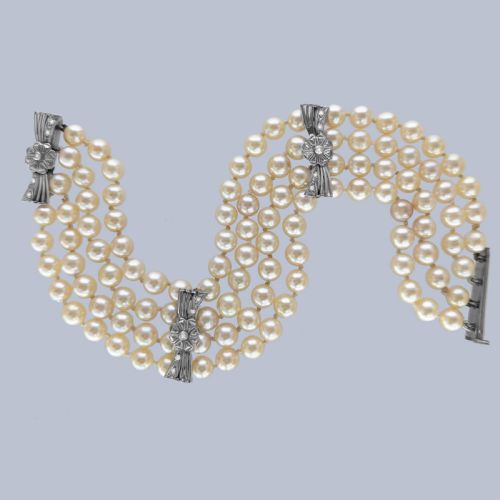
Makers utilised this graceful ribbon theme across multiple object types, resulting in diverse configurations such as drop earrings and convertible pendant brooches. The physical evidence shows combinations of pearls, rubies, sapphires, and enamel accompanying the central diamonds within these bow formations. Buyers frequently meet pieces where the ribbon motif secures a pendant drop or frames a central gemstone cluster.
Materials and Construction
Craftsmen built these items using a combination of precious metals, often mounting silver on gold during earlier periods before transitioning to platinum and white gold in the Edwardian era. Old cut and rose cut diamonds are set closely within the metallic ribbons to maximise light reflection across the curved surfaces. Additional colour enters the designs through calibrated rubies, sapphires, natural pearls, and vibrant blue enamel accents.
The structural techniques required meticulous metalwork to articulate the loops and tails of each bow realistically. Jewellers integrated closed-back settings in older items and progressed to open-backed platinum mountings that allowed light to pass fully through the diamond facets. Soldered joints and integrated pin stems or suspension loops were carefully engineered to support the weight of the gem-set components.
Diamond Bow Jewellery Retail Price Guide 2026
Typical asking prices for diamond bow jewellery among the pieces listed under this phrase on Sellingantiques today, from the lower quarter to the upper quarter. They describe what is for sale here now, not the wider market.
The listings demonstrate a strong presence of Edwardian platinum and 18ct white gold bow necklaces, often incorporating natural pearls.
Distinctions in Quality
The standard of execution in diamond bow jewellery rests upon the fluidity of the metal ribbon work and the matching of the stones. Superior examples display naturalistic, asymmetrical loops that mimic real fabric, whereas lesser items remain stiff and geometric. The uniformity of the diamond cuts and the absence of clumsy metal prongs further separate workshop output.
Provenance and original fitted packaging elevate certain pieces, as seen in signed French creations from notable firms. The integration of high-grade natural pearls and certified gemstones alters the standing of an item significantly. Preservation of the original fastening mechanisms and untouched metal patination contribute to the desirability of older survivals.
Cartier Paris·Eduard Foehr
The Diamond Bow Jewellery Glossary
- Old cut
- A diamond facet configuration common in antique jewellery featuring a high crown, small table, and open culet. These stones were shaped by hand to catch candlelight.
- Rose cut
- A diamond style with a flat base and a domed crown consisting of triangular facets. This cut resembles an unopened rosebud and emits a soft glow.
- Silver gilt
- Silver that has been coated with a thin layer of gold on its surface. This technique provided the bright white appearance of silver alongside the warm tone of gold.
- Convertible piece
- An item of jewellery designed to be worn in multiple ways, such as transforming from a pendant to a brooch. This versatility was popular in the nineteenth and early twentieth centuries.
- Natural pearl
- A pearl formed organically within an oyster without human intervention. These contrast with cultured varieties through their unique formation histories.
Diamond Bow Jewellery: Frequently Asked Questions
How do I date a diamond bow brooch?
Dating relies on examining the metal combinations, such as silver-topped gold found in older items versus the platinum mountings characteristic of the Edwardian period. The style of the diamond cuts and the engineering of the pin mechanism also offer clear chronological markers.
Closer inspection often reveals maker marks or hallmarks stamped on the reverse of the bow loops. Comparing these stylistic details against documented periods helps establish a reliable timeline for each piece.
Are these pieces suitable for daily wear?
Antique diamond bow items require careful handling due to their delicate ribbon construction and historical settings. While sturdy metals like platinum and gold endure regular use, older prong settings benefit from periodic checks by a specialist.
Owners typically reserve these ornate jewels for special occasions to protect fragile elements like natural pearls and enamel work. Storing them individually prevents friction against other items in a collection.
How should I clean antique diamond jewellery?
Cleaning requires gentle methods such as warm soapy water and a soft brush to remove dust settled between closed-set diamond facets. Harsh chemical dips or ultrasonic cleaners risk damaging organic components like pearls and delicate enamel.
Professional evaluation is advisable if the mounting shows signs of wear or if the gemstones feel loose within their historical claws. Maintaining dry storage conditions prevents moisture accumulation in older metal alloys.