


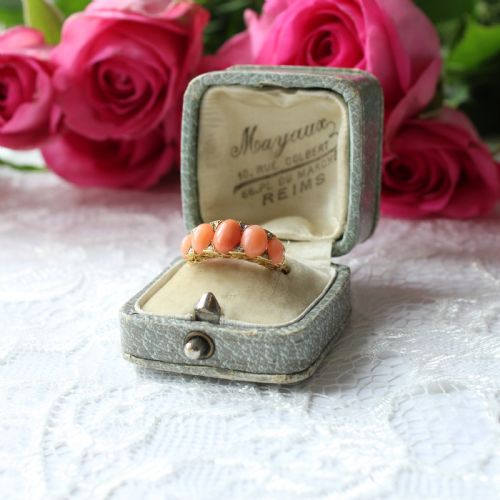
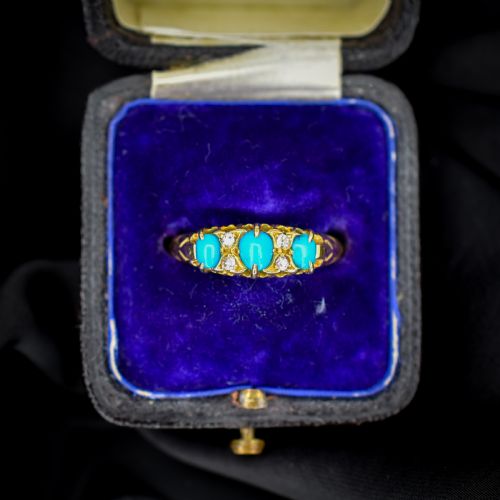
Diamond Boat Ring
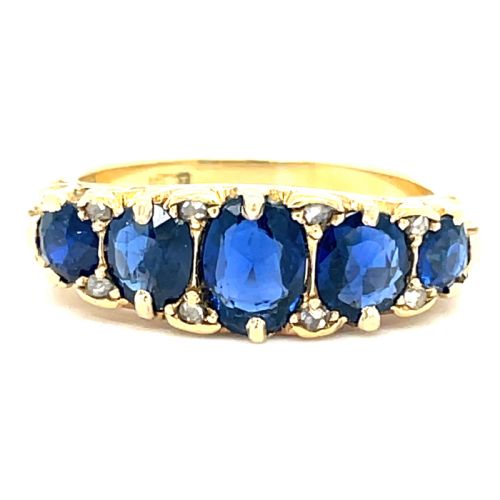
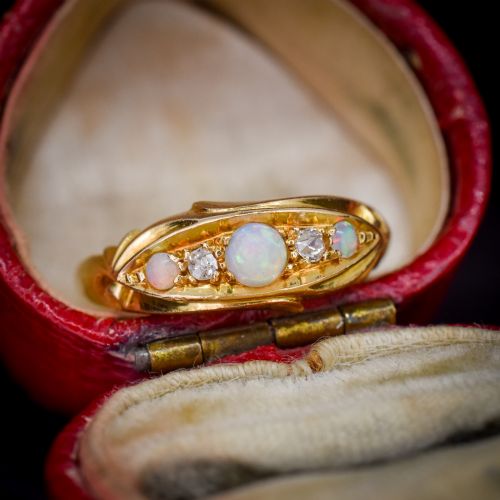
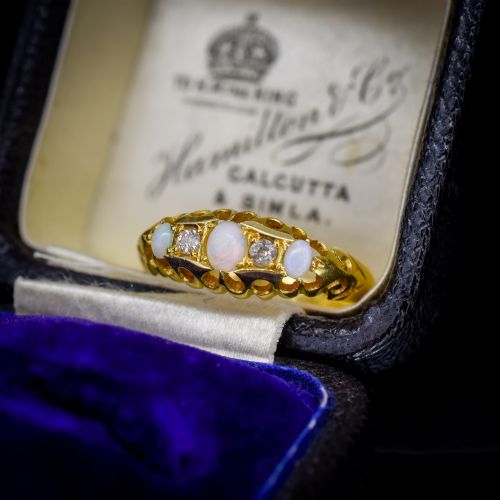
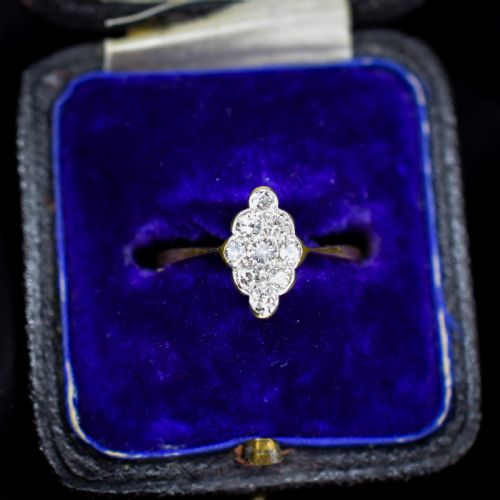
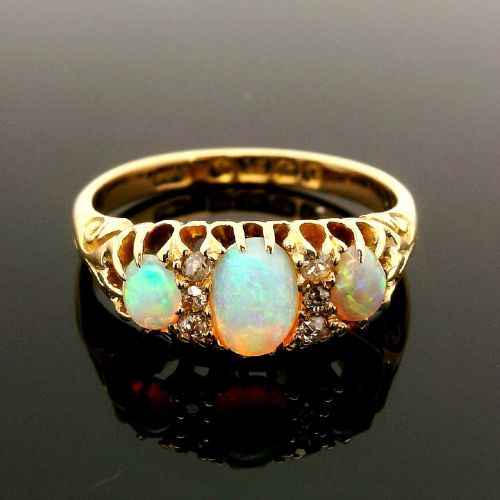
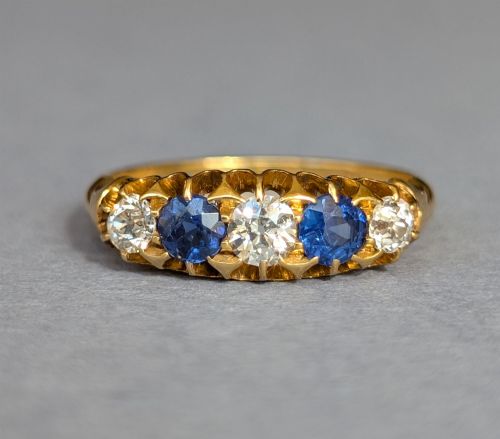
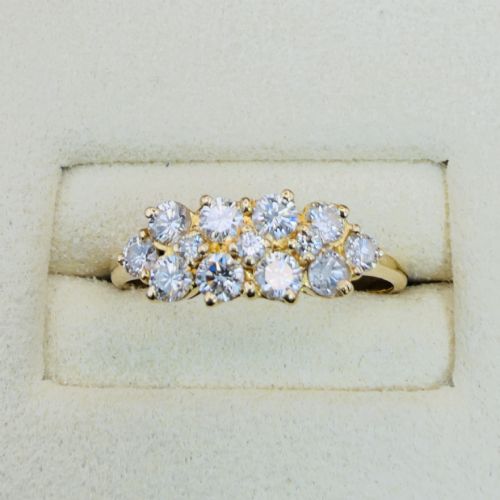
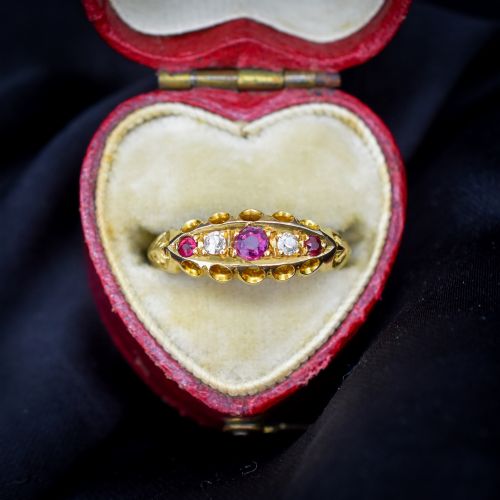
When you search for a diamond boat ring, you find elongated, boat-shaped jewels set in gold and platinum from the late Victorian, Edwardian, and Art Deco eras.
Diamond Boat Ring
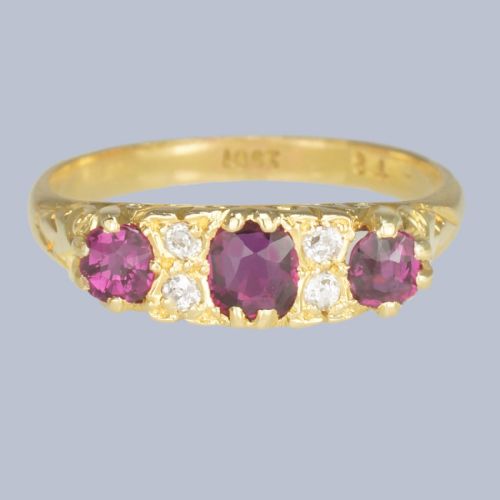
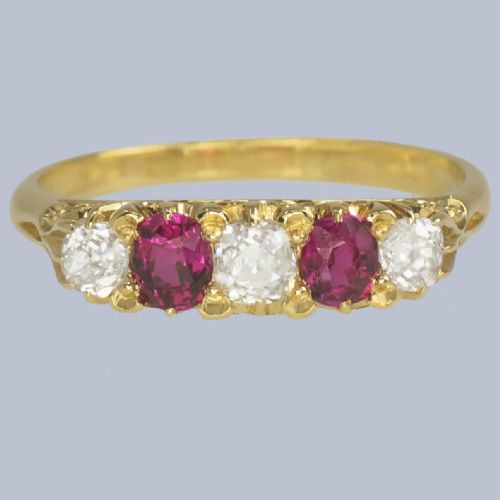
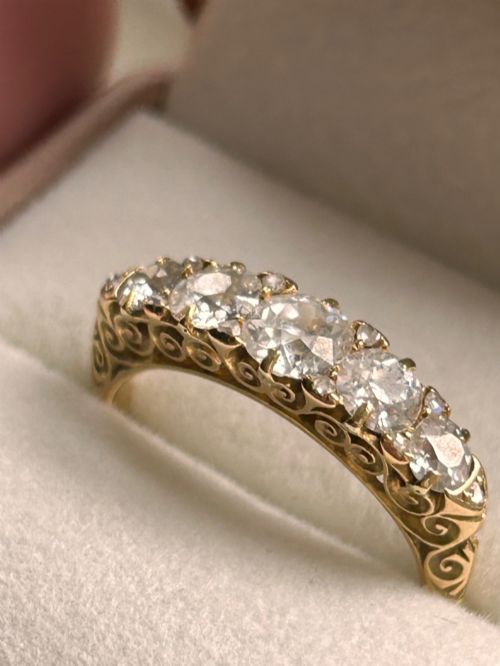
The profile is dominated by late Victorian and Edwardian examples hallmarked in English assay offices such as Birmingham and Chester. These pieces rely on traditional boat shapes, navette settings, and scrollwork to frame old cut diamonds against yellow gold.
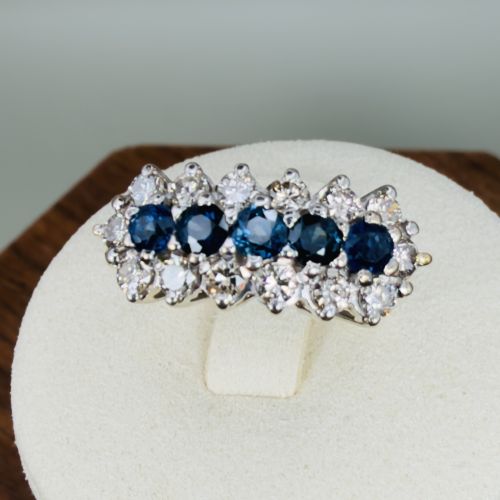
Later iterations stretch into the 1920s and Art Deco periods, introducing platinum alongside 18ct gold to sharpen the geometric lines of the cluster. These rings balance a pronounced finger coverage with a low, comfortable mount designed for everyday wear.
Materials and Construction
Goldsmiths utilised 18ct yellow gold for the shanks and settings of the nineteenth and early twentieth century pieces, often combining it with platinum in later designs to create a bright, contrasting face for the stones. The metal is worked into boat-shaped galleries and scroll motifs that secure old mine cut or brilliant cut diamonds.
Coloured gemstones including natural sapphires, rubies, opals, and turquoise are integrated alongside the diamonds to punctuate the design. Settings are executed by hand, utilising claw, bezel, and gypsy techniques to anchor each stone firmly within the gold framework.
Assay office marks from Birmingham and Chester appear frequently on English hallmarked boat rings from the early twentieth century.
Distinctions in Quality
Quality rests upon the proportion and symmetry of the boat-shaped cluster and the matching of the stones set within it. Finer examples maintain crisp hallmarks, substantial gold weight in the shank, and clean integration of old cut diamonds alongside vivid natural sapphires or rubies.
The execution of delicate scrollwork and the tightness of stone settings distinguish superior workshop production. Pieces that retain their original structural integrity without thinning to the gallery or claws represent the higher tier of surviving examples.
The Diamond Boat Ring Glossary
- Boat ring
- A ring featuring an elongated, curved setting resembling the hull of a boat. This silhouette was particularly popular during the Victorian and Edwardian periods.
- Navette
- A boat-shaped or eye-shaped setting that tapers to sharp points at either end. It provides wide finger coverage while maintaining a slender profile.
- Old cut
- A diamond cut characteristic of the nineteenth and early twentieth centuries, featuring a smaller table, higher crown, and open culet. These stones were hand-faceted to catch candlelight.
- Gypsy setting
- A mounting style where the stone is flush-set directly into the thick metal of the ring band. It creates a smooth, continuous surface.
- Hallmark
- An official stamp applied to precious metals indicating the purity, assay office, and year of manufacture. English marks often include city symbols and date letters.
Diamond Boat Ring: Frequently Asked Questions
What is a boat ring?
A boat ring is a finger ornament characterised by a curved, horizontal setting that tapers at both ends. The shape creates an elongated silhouette across the hand.
These pieces typically date from the late Victorian, Edwardian, and Art Deco eras. They frequently combine diamonds with coloured stones such as rubies or sapphires.
How do I wear a diamond boat ring?
These rings sit low on the hand, making them comfortable for daily wear alongside plain bands. Their elongated shape flatters the finger.
Care should be taken with softer accent stones like opals or turquoise if worn daily. Pairing them with stacking bands is common in Edwardian examples.
How do I date a boat ring?
Dating relies heavily on legible hallmarks stamped inside the 18ct gold shank, identifying the assay office and year. Birmingham and Chester hallmarks frequently appear on these pieces.
Stylistic cues also help determine the period, such as the use of platinum in 1920s pieces versus heavy yellow gold scrollwork in 1890s designs.
Are the diamonds old cut?
Victorian and Edwardian examples generally utilise old mine cut or early brilliant cut diamonds. These feature hand-cut facets tailored to oil lamps and candlelight.
Later mid-century pieces shift toward standard brilliant cut diamonds. The cut directly reflects the manufacturing era of the jewellery.