

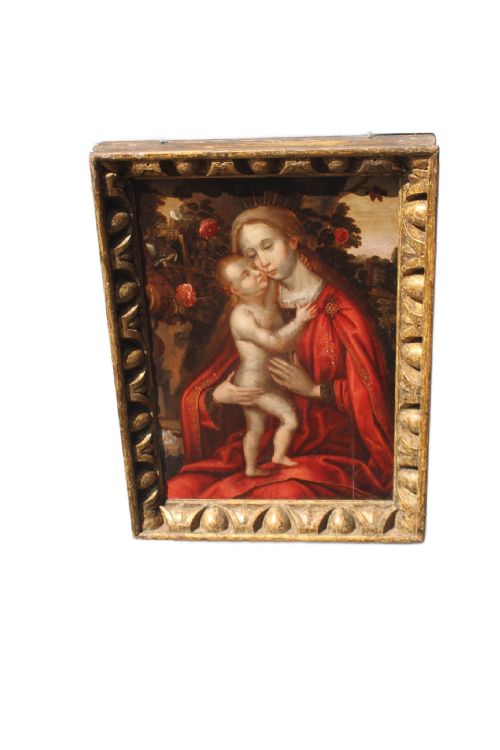


Devotional Panel Painting
These devotional panel painting works bring centuries of sacred craft and quiet contemplation straight into your home.
Devotional Panel Painting
When you search for devotional panel painting, you are looking at sacred works created for prayer and meditation across several centuries. The selection includes Italian oils, Russian icons, and Limoges enamel plaques on various wooden supports.
You are most likely to meet 17th century and 18th century examples executed in oil or tempera on wood panels. These portable sacred works range from small domestic icons to larger religious themed panels.
The materials span traditional wooden supports like fruitwood and copper panels enriched with gold leaf and gesso. Many examples reflect regional styles such as Italian Baroque, Russian Orthodox, and Northern Renaissance traditions.
How they were made
Artisans prepared wooden panels with layers of gesso to create a smooth surface for oil paint or tempera. Gilders then applied gold leaf to highlight halos and backgrounds, often burnishing the metal to a brilliant shine.
Alternative supports such as copper and enamel plaques required careful firing techniques to fuse vitreous colours to the metal base. Master painters built up the compositions using rich oil pigments to achieve deep shadows and luminous flesh tones.
Devotional Panel Painting Retail Price Guide 2026
Typical asking prices for devotional panel painting among the pieces listed under this phrase on Sellingantiques today, from the lower quarter to the upper quarter. They describe what is for sale here now, not the wider market.
Some multi-panel works fold shut like old books, keeping sacred secrets hidden behind closed wooden doors until prayer time begins.
What varies in quality
The integrity of the original surface preparation and the skill of the gilding also separate standard panels from masterworks. Survival of the original paint layer without heavy overpainting determines the true merit of these sacred pieces.
Ambrious Benson
The Devotional Panel Painting Glossary
- Gesso
- A mixture of gypsum and glue binder applied to wooden panels to prepare the surface for painting and gilding. This white ground creates a bright base that helps reflect light through subsequent oil layers.
- Gold leaf
- Extremely thin sheets of beaten gold used to embellish backgrounds and halos on religious panels. Its application requires immense skill to lay over a prepared adhesive bole.
- Icon
- A sacred image representing holy figures, traditionally used for veneration in Orthodox Christian worship. These devotional objects are typically painted on prepared wooden boards according to strict canonical rules.
- Oklad
- A metal cover or revetment placed over a Russian icon to protect the painted surface while leaving the faces and hands visible. These decorative coverings are frequently cast, chased, or embossed in silver and brass.
- Panel painting
- A painting executed on a flat panel made of wood, copper, or other rigid support rather than canvas. This traditional format prevents the flexing that can damage fragile paint layers over long periods.
Devotional Panel Painting: Frequently Asked Questions
What is a devotional panel painting?
A devotional panel painting is a sacred artwork executed on a rigid support such as wood, metal, or enamel. These pieces were created to inspire prayer and personal reflection in domestic or ecclesiastical settings.
They encompass a wide variety of regional traditions, including Italian old masters, Russian icons, and French enamels. Each piece reflects the religious devotion and artistic standards of its period.
How do I care for wooden panels?
Wooden panels require stable environmental conditions to prevent the wood from warping or cracking. Keep them away from direct sunlight, radiators, and damp areas.
Maintain a consistent room temperature and humidity level. Dust the surface gently with a soft, dry cloth without applying modern cleaning sprays or liquids.
Where were these panels displayed?
Historically, these panels hung in private homes, domestic shrines, and small chapels for daily worship. Smaller examples were often portable so owners could carry them during travel.
Larger pieces served as focal points for family prayer corners or church altars. Their design allowed worshippers to engage in quiet contemplation close to home.