




Devotional Canvas Painting
A devotional canvas painting brings centuries of sacred portraiture, altarpieces and quiet domestic prayer into your room.
Devotional Canvas Painting
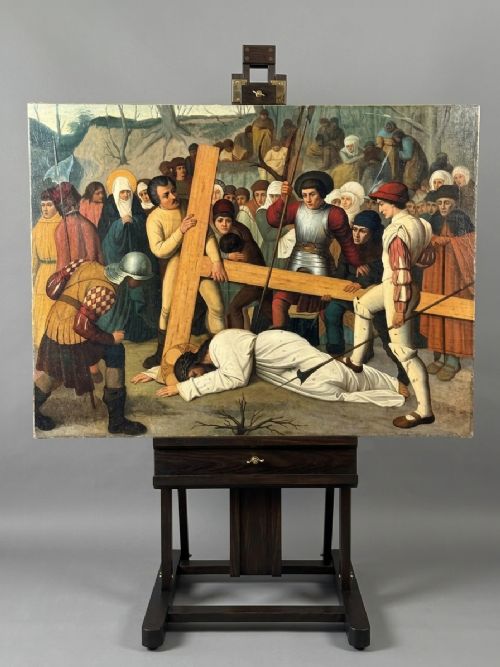
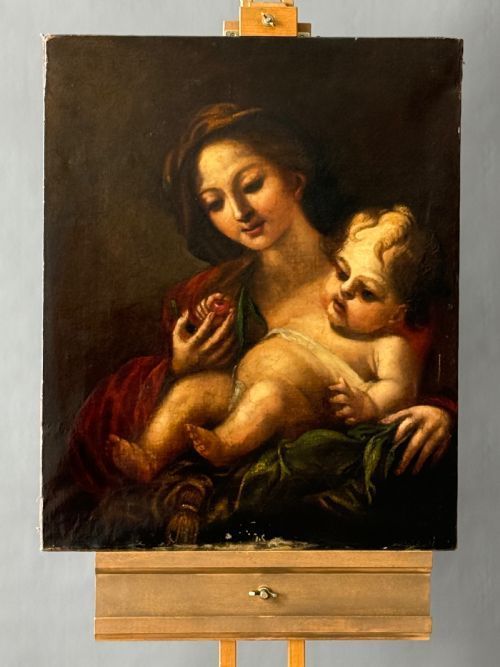
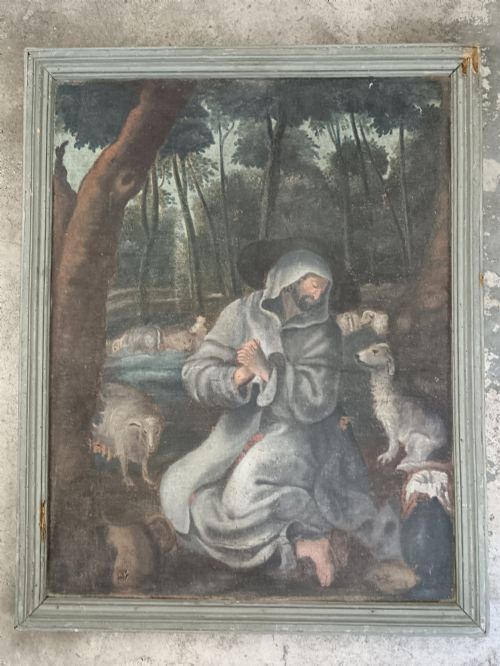
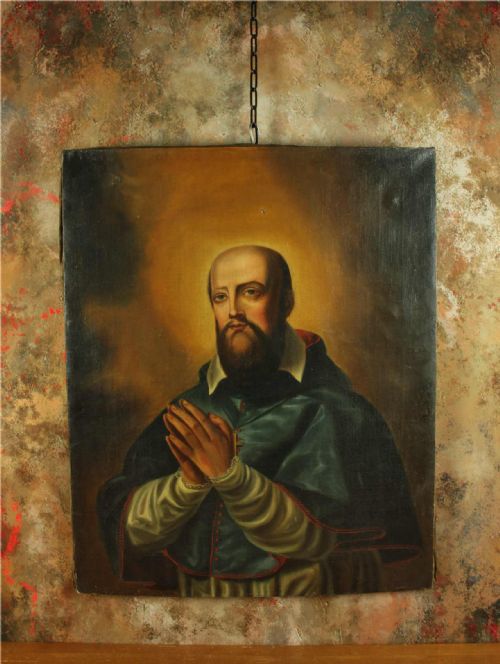
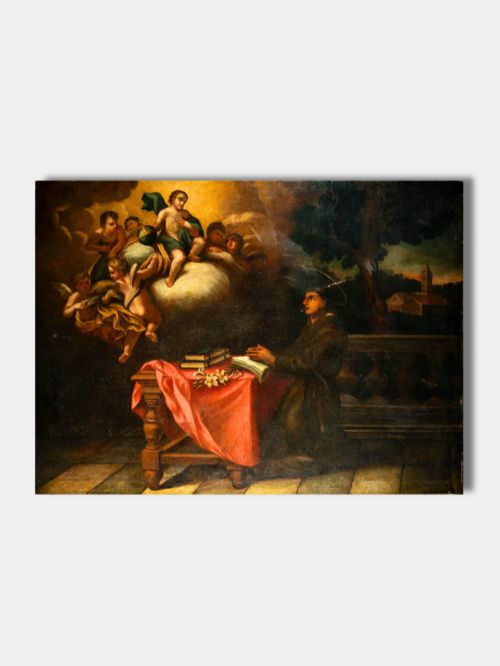
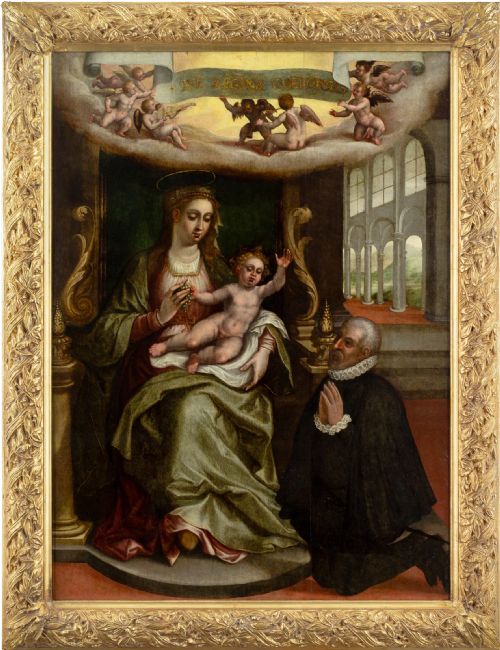
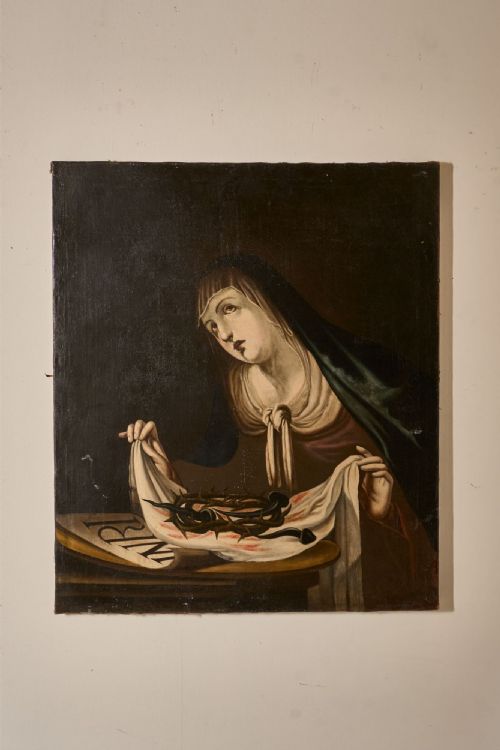
A devotional canvas painting presents sacred figures, biblical narratives and portraits of saints intended for private contemplation or ecclesiastical setting. When you search for this phrase, you encounter works spanning from the sixteenth century through to the nineteenth century, reflecting regional European schools and colonial traditions. The most frequent pieces on this page are eighteenth and nineteenth-century Italian and Spanish school oils depicting the Virgin and Child, holy families and individual saints.
These works take various forms, from monumental canvases designed for architectural spaces down to small-scale devotional panels and wall hangings. You will find pieces attributed to followers or circles of master painters such as Raphael, Guido Reni and Jusepe de Ribera, alongside naïve and vernacular European religious art. The mediums primarily involve oil paint applied to canvas, occasionally supported by wood or wall cloth structures.
How they were made
Painters of these works utilised oil paint on prepared canvas substrates, a technique that allowed for deep tonal gradations and luminous glazing. Many pieces incorporate gold leaf or gilt elements to highlight halos, robes and divine light within the composition. Pigments were mixed by hand from mineral and earth sources, resulting in the rich, stable palettes seen across surviving seventeenth and eighteenth-century works.
Support structures typically consist of woven canvas stretched over wooden frames, sometimes showing historical lining or pentimenti where the artist altered the composition during painting. Certain regional works employ wood panels or wall cloth as alternatives to traditional canvas. Application methods range from precise academic brushwork to looser, expressive strokes characteristic of provincial and follower schools.
Listings feature devotional canvases spanning the sixteenth to the nineteenth centuries, executed in oil on canvas, wood and wall cloth.
What varies in quality
Quality in these paintings rests upon the dexterity of the brushwork, the anatomical conviction of the figures and the expressive depth captured in the faces of saints and holy figures. Works executed by the immediate circle of a master or a skilled academy hand display superior command of light, shadow and drapery compared to provincial or naïve school pieces. The sophistication of the underlying composition and the subtlety of colour relationships distinguish finer academic output from simpler devotional objects.
Condition and originality also separate pieces within the range, particularly the stability of the oil paint layer and the extent of historical restoration. Surviving canvases that retain their original stretcher frames and untouched pigment surfaces offer a more authentic encounter with the period hand. Subtle details such as visible pentimenti reveal the working process of the painter and add nuance to the execution.
Guido Reni·Murillo·Bernardino Luini·Benvenuto Tisi
The Devotional Canvas Painting Glossary
- Pentimento
- An alteration in a painting, evidenced by previous strokes or outlines that have been painted over by the artist. This phenomenon reveals changes in the composition during the creative process.
- Old Master
- A European painter of skill who worked before about eighteen hundred. The term also designates a painting produced by such an artist.
- Ex-Voto
- A votive offering presented to a saint or a divinity in fulfillment of a vow. These works often commemorate a miraculous survival or recovery.
- School
- A group of artists associated with a particular place, period or master, sharing a similar style or technique. Regional attributions often reference these historic artistic communities.
- Gilt
- Covered thinly with gold leaf or gold paint. This technique emphasises sacred elements such as halos and celestial light.
Devotional Canvas Painting: Frequently Asked Questions
How do I date a devotional canvas painting?
Dating relies upon stylistic markers, costume details, canvas preparation and the physical characteristics of the stretcher frame. Eighteenth and nineteenth-century works often exhibit specific academic conventions and pigment profiles distinct from earlier Renaissance examples.
Examination of the reverse of the canvas and any historical inscriptions can provide additional clues regarding the workshop or regional school of origin.
Where were these paintings originally displayed?
Devotional works were commissioned for private domestic shrines, chapels, convents and larger parish churches across Europe and colonial territories. Smaller canvases allowed individuals to maintain personal prayer practices within domestic spaces.
Larger monumental works served communal functions in ecclesiastical settings, inspiring devotion through narrative scenes and portraits of patron saints.
What is the difference between a master and a follower?
A master painter executed primary works directly, establishing distinct stylistic approaches that defined regional schools. Followers and circle artists worked closely within those traditions, producing pieces influenced by the master's compositions and techniques.
Paintings by followers often carry significant historical and artistic merit while representing accessible alternatives to direct works.
How should I care for an antique oil painting?
Display the canvas away from direct sunlight, high humidity and dramatic temperature fluctuations that can stress the wood and paint layers. Dust the surface gently with a soft, dry brush without applying pressure to the pigment.
Avoid liquid cleaners and consult a professional conservator if structural repairs or surface cleaning become necessary.