





Detailed Gold Mirror
These detailed gold mirror examples are grand decorative pieces that bring immediate light and ornate presence to a room.
Detailed Gold Mirror
A detailed gold mirror encompasses an array of nineteenth-century wall, overmantel, and table pieces shaped by revival styles and French design. Buyers search for these items to introduce historic character and reflective depth into domestic interiors.
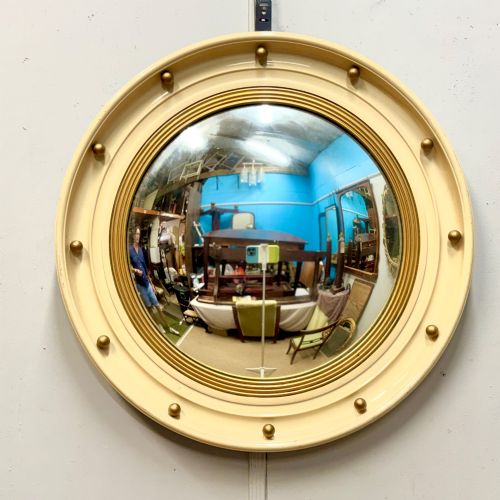
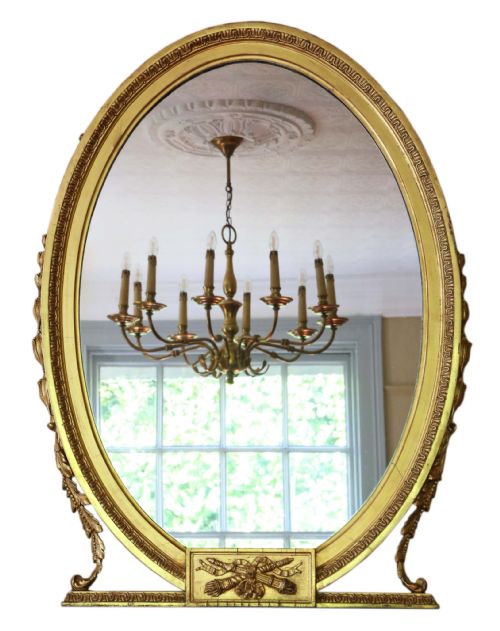
The pieces on this page appear in various formats, ranging from large arched overmantels and convex butlers mirrors to oval and rectangular wall hangings. Many reflect Victorian taste and continental revivals such as French Rococo, Neoclassical, and Chippendale.
Origin and form dictate the visual impact of each piece, with nineteenth-century makers drawing upon traditional motifs including flowers, birds, and architectural framing. These items serve as central focal points above fireplaces or along principal walls.
Materials and construction
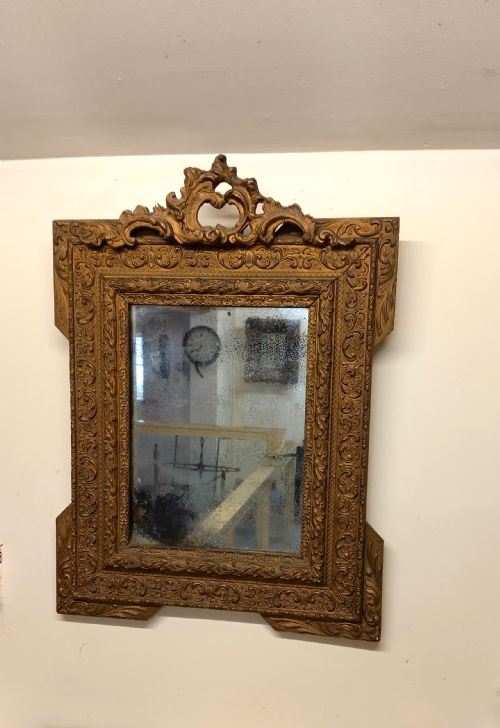
Makers constructed these frames predominantly from wood, employing giltwood and gesso to build up high-relief ornamentation like floral garlands and birds. Gilt surfaces catch the light, while secondary treatments such as ebonised or painted wood provide stark contrast.
Reflective elements include flat mirror glass, convex glass suited for round butlers formats, and bevelled plates set within brass or wood armatures. Silk inserts and painted details occasionally accompany the primary wooden and gilt structures.
Detailed Gold Mirror Retail Price Guide 2026
Typical asking prices for detailed gold mirror among the pieces listed under this phrase on Sellingantiques today, from the lower quarter to the upper quarter. They describe what is for sale here now, not the wider market.
Listings feature nineteenth-century pieces incorporating giltwood, gesso, ebonised wood, and painted silk across French, Regency, and Chippendale revival styles.
Assessing craftsmanship and finish
Quality rests in the crispness of the gesso moulding and the depth of the carved or embossed detailing across the frame. Superior examples display sharply defined floral motifs, birds, and scrollwork without blurring or flattening in the relief.
The integration of the plate glass relative to the frame also marks distinction, alongside the preservation of the original gilt finish. Pieces featuring complex constructions like tryptic overmantels demonstrate advanced joinery and artistic ambition.
The Detailed Gold Mirror Glossary
- Giltwood
- Wood that has been coated with gold leaf or a gold-coloured finish. This material forms the primary ornamental structure of most nineteenth-century wall and overmantel mirrors.
- Gesso
- A plaster-like mixture applied to wood frames before gilding, allowing craftsmen to carve or stamp intricate relief details. It underpins the elaborate floral and animal motifs found on these pieces.
- Convex glass
- Curved mirror glass that projects outward to capture a wide-angle, panoramic reflection of the room. It is typically housed within round wall mirrors.
- Overmantel mirror
- A large mirror designed specifically to hang on the wall directly above a fireplace mantel. These pieces often feature wide rectangular or arched formats.
- Tryptic
- Composed of three panels or sections linked together. In mirror design, this refers to a tripartite frame arrangement providing expanded reflective surfaces.
Detailed Gold Mirror: Frequently Asked Questions
How do I hang a heavy overmantel mirror?
These large nineteenth-century pieces require secure wall fixings anchored directly into masonry or substantial timber studs. Professional installation is standard practice due to the considerable weight of timber and glass.
Positioning the mirror at the correct height above a mantelpiece ensures both structural safety and optimal visual balance within the room.
Are convex mirrors meant for checking reflections?
Convex glass creates a distorted, wide-angle view of an entire space rather than a direct personal reflection. Historically, these round mirrors were placed in butler pantries or reception rooms to monitor activity.
Today, they function primarily to bounce ambient light around a room and add a distinct circular geometry to wall arrangements.
What defines a French Louis Philippe mirror?
Louis Philippe mirrors typically feature softly rounded upper corners and clean framing lines derived from mid-nineteenth-century French design. They balance restrained neoclassical elegance with rich gilt or contrasting black finishes.
This style suits both traditional interiors and modern spaces seeking a refined architectural touch.
How should I clean an antique gilt frame?
Historic giltwood and gesso surfaces require delicate handling to avoid wearing away the thin gold leaf layers. Dusting gently with a dry, soft brush is the safest method for routine maintenance.
Moisture and commercial cleaning chemicals should be kept entirely away from the gesso and mirror edges to prevent permanent damage.