


Desk Reading Glass
A desk reading glass brings sharp clarity to small print while adding functional elegance to a study.
Desk Reading Glass
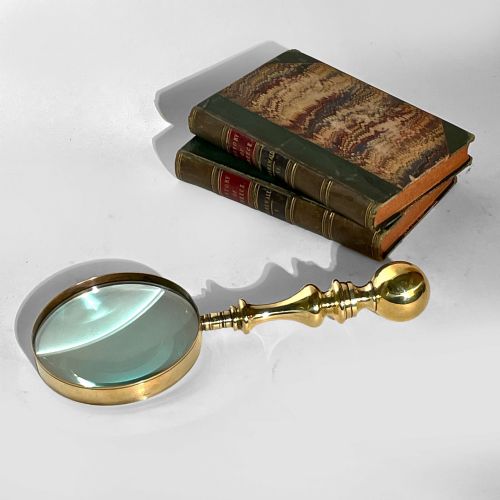
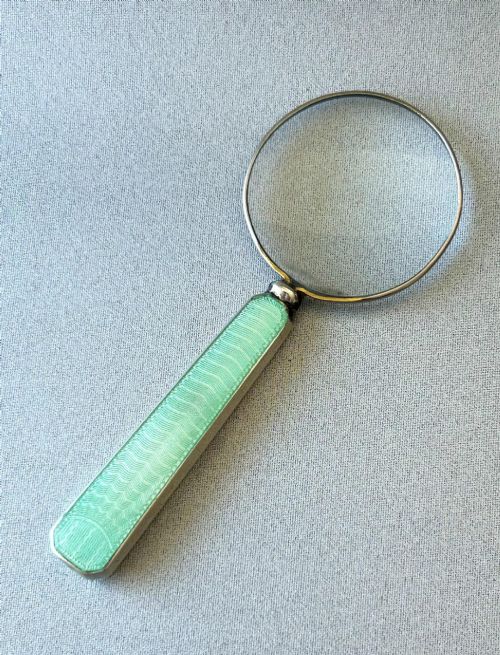
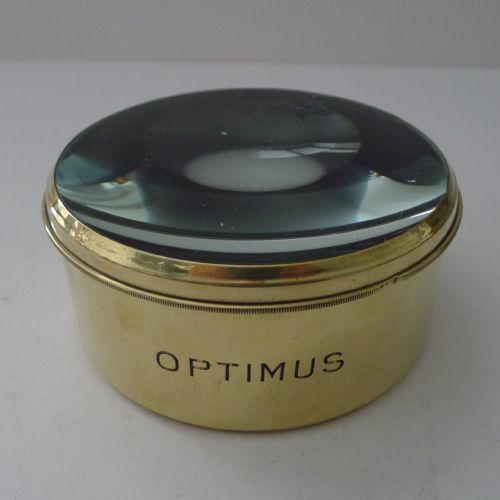
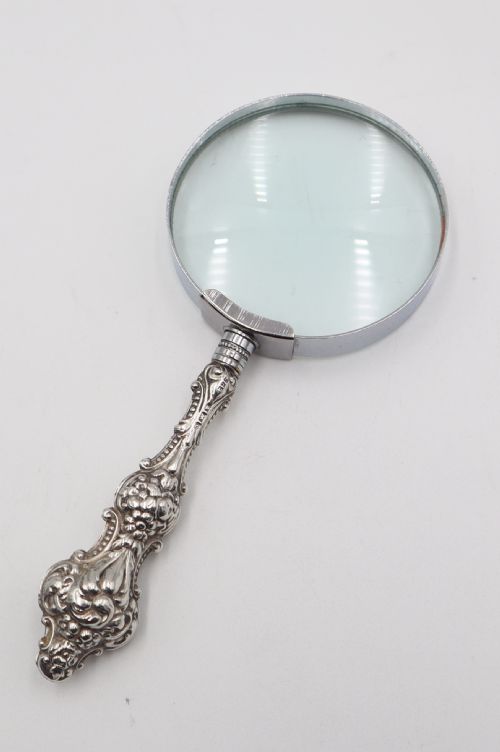
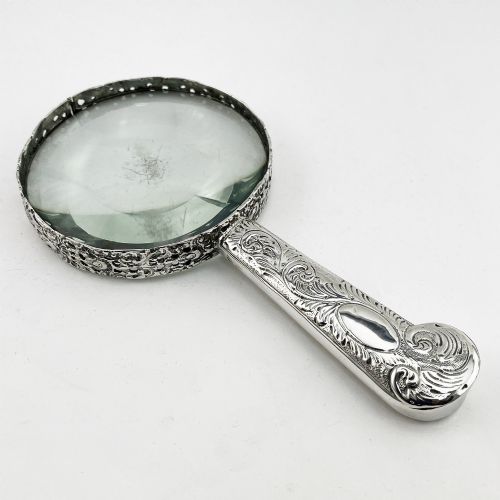
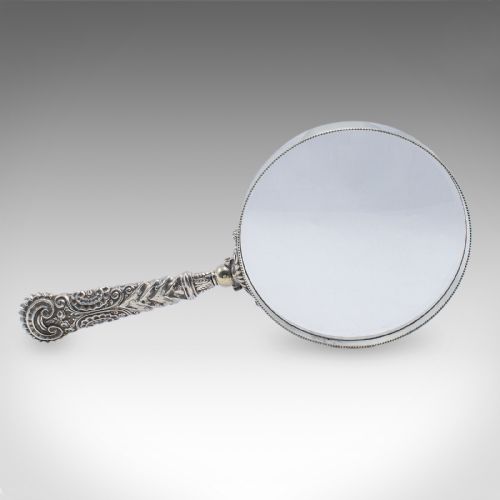
A desk reading glass serves as both a practical library aid and a tactile desk accessory for studying detailed texts and documents. When searching for a desk reading glass, buyers encounter handheld sterling silver and silver plate magnifiers, alongside heavy brass pivoting lenses on stands.
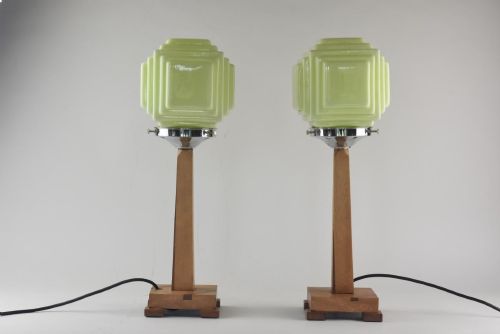
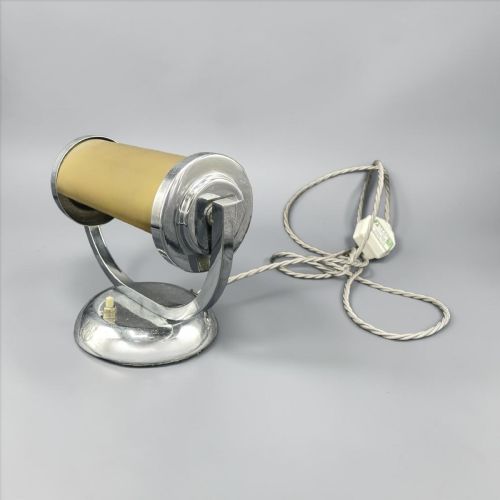
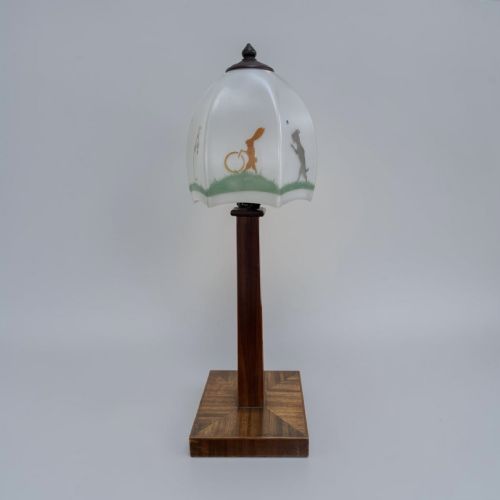
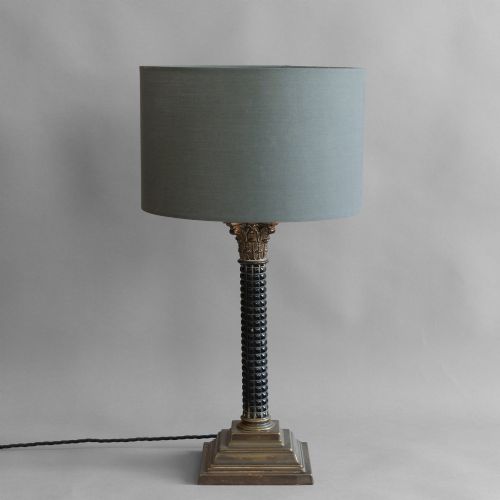
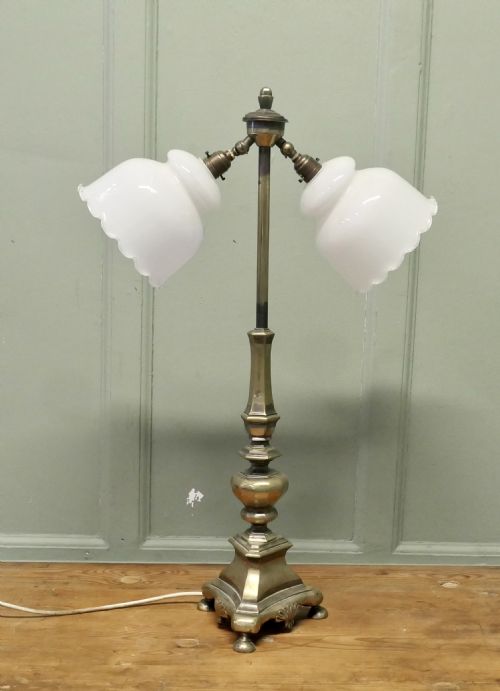
The pieces span periods from the nineteenth century through the Edwardian era and the Art Deco years, reflecting shifts in interior lighting and study habits. Table lamps and desk lamps often appear alongside these magnifiers, sharing brass, bronze, and glass construction.
Origin points range from English workshops to French studios, incorporating materials like jade, shagreen, and bakelite into utilitarian objects. These items blend optical utility with decorative craftsmanship suited to period writing desks.
Materials and Technique
Makers shaped structural components from brass, bronze, silver plate, and sterling silver, often pairing metals with glass lenses and fabric or shell elements. Heavy brass mountings and cast bronze provide the necessary stability for pivoting desk lenses and adjustable reading lamps.
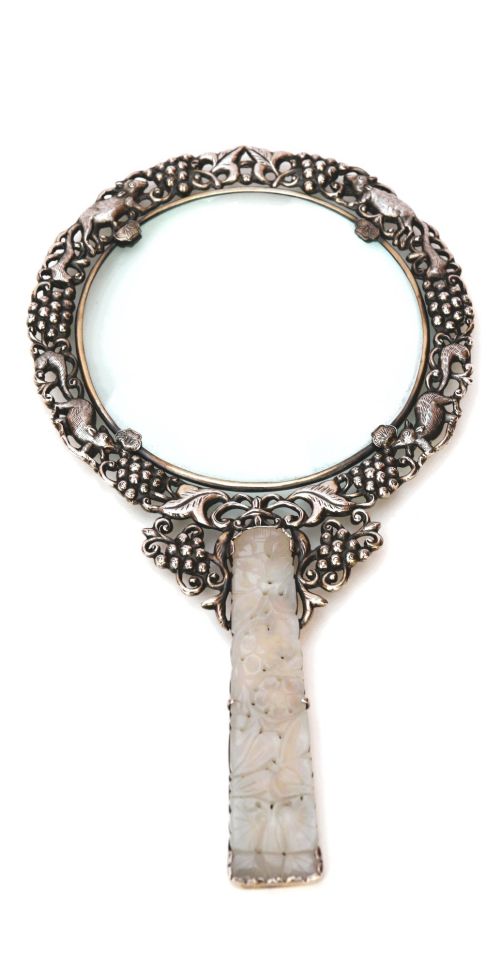
Refined pieces incorporate detailed handle materials such as carved jade, shagreen, or guilloche enamel set into silver frames. Optical elements rely on clear glass lenses, sometimes mounted in bullseye or angle-poise configurations for targeted illumination and magnification.
Desk Reading Glass Retail Price Guide 2026
Typical asking prices for desk reading glass among the pieces listed under this phrase on Sellingantiques today, from the lower quarter to the upper quarter. They describe what is for sale here now, not the wider market.
Standards of Execution
Quality rests in the optical purity of the glass lens and the mechanical integrity of any pivots, hinges, or weighted stands. Superior pieces maintain smooth articulation in their joints and secure seating within metal mounts.
The refinement of the handle and frame materials dictates the tier of the object, moving from plain brass to chased sterling silver, enamel, or exotic inlay. Weight distribution and balance also distinguish master production from simpler utilitarian items.
Hermes Paris·Broadway And Co·Mappin And Webb·P H Vogel And Co·The Charles Parker Company
The Desk Reading Glass Glossary
- Magnifying Glass
- An optical instrument consisting of a lens that produces an enlarged image of an object, mounted here with handles or desk stands.
- Sterling Silver
- A silver alloy containing ninety-two point five percent silver by mass, frequently utilised for Victorian and Edwardian desk accessory handles.
- Guilloche Enamel
- A decorative technique where a precise pattern is mechanically engraved under translucent enamel, seen on twentieth-century pieces.
- Bullseye Lens
- A thick, convex glass lens designed to concentrate light or magnification, often mounted on adjustable brass stands.
- Shagreen
- Untanned leather with a rough granulated surface, historically prepared from shark or ray skin and applied to luxury handles.
Desk Reading Glass: Frequently Asked Questions
How do I use a desk reading glass?
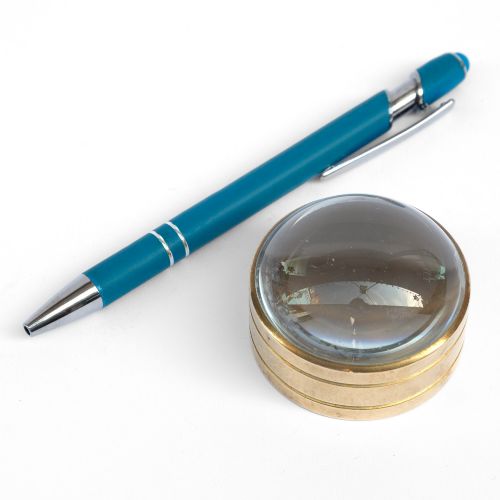
Place freestanding lenses over documents or hold handheld versions above text to enlarge fine print during study.
Adjustable brass models pivot to focus light or magnification exactly where required on the desk surface.
What materials make up these reading glasses?
Frames and stands typically utilise brass, bronze, sterling silver, or silver plate for structural durability.
Handles and decorative mounts feature glass, jade, shagreen, bakelite, and enamel additions.
How are Victorian and Edwardian pieces distinguished?
Victorian examples often display ornate sterling silver work and heavier cast brass details typical of the nineteenth century.
Edwardian and later pieces lean towards cleaner lines, incorporating early twentieth-century manufacturing methods like chrome and bakelite.
Where should I place a desk reading glass?
Position heavier desk-mounted lenses on wooden writing tables or beside period table lamps for optimal reading conditions.
Smaller handheld versions sit neatly alongside other desk accessories like paperweights when not in active use.