

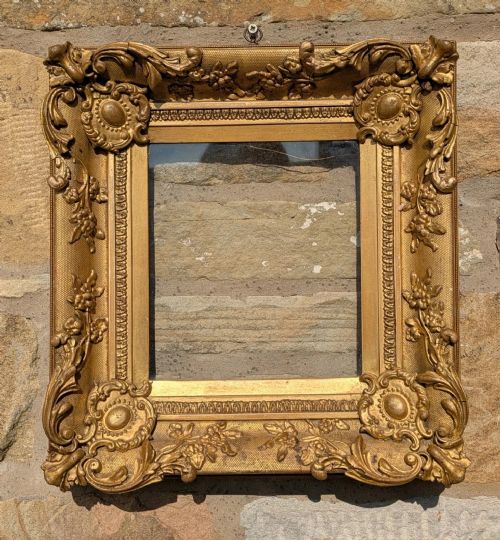


Deep Frame Mirror
A deep frame mirror brings heavy timber, gleaming gold leaf and three-dimensional shadow to a room.
Deep Frame Mirror
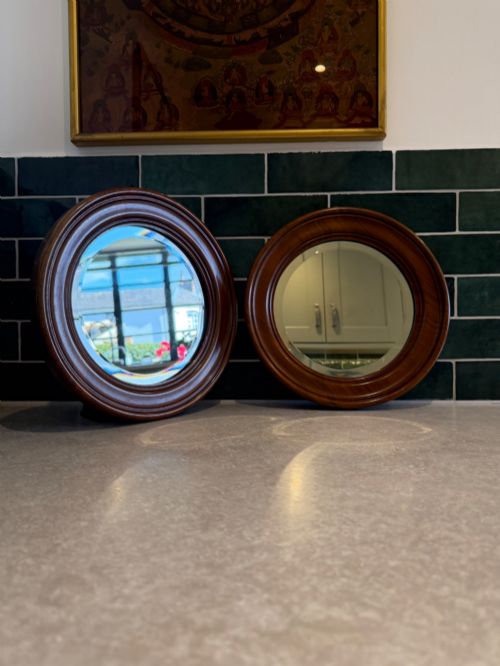
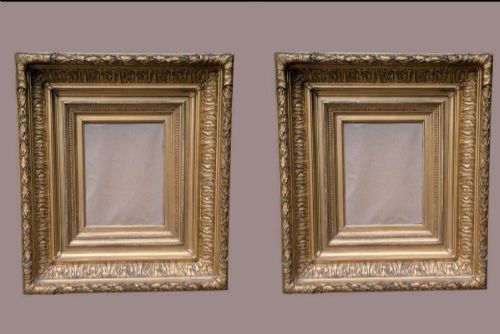
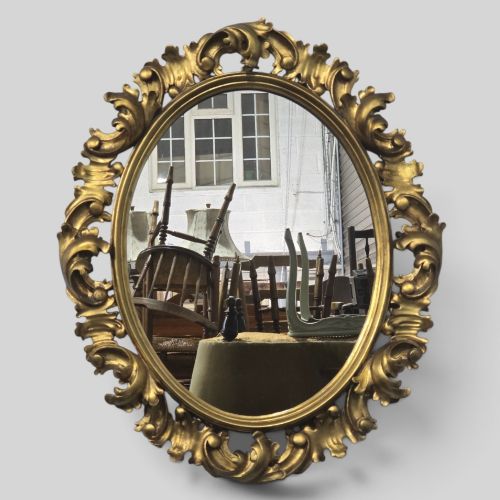
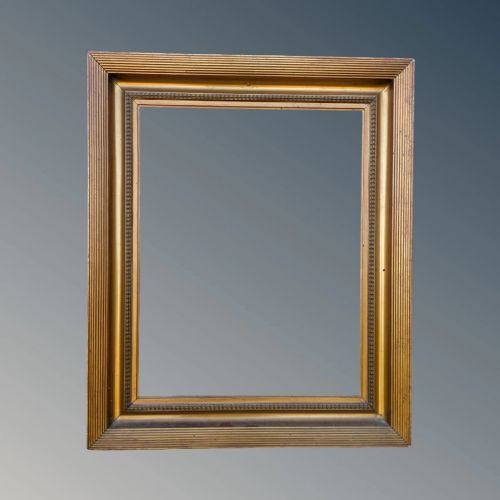
A deep frame mirror combines substantial moulding with reflective glass, creating a strong architectural focus on any wall. When searching for a deep frame mirror, collectors encounter Victorian pieces alongside examples from the turn of the twentieth century. These items include circular wall hangings, oval looking glasses and substantial rectangular picture frames adapted to hold glass.
The styles range from ornate revival pieces to simple timber rims, reflecting the tastes of the nineteenth century and the Edwardian era. Walnut and mahogany feature frequently alongside gilded surfaces, offering buyers a choice between rich dark wood and bright metallic sheen. Many examples utilise traditional joinery and heavy timber construction to achieve their characteristic depth.
How they were made
Cabinet makers and gilders constructed these frames using dense hardwoods like mahogany and walnut, or softer timbers built up with gesso. Artisans applied layers of gold leaf over preparation layers, burnishing the metal to a high shine in traditional Rococo Revival and Victorian workshops.
Thick wooden sections were carved, turned or moulded to create the deep rebate characteristic of these pieces. Heavy mirror glass, often bevelled by hand, was then secured into the recess behind protective backing boards.
Deep Frame Mirror Retail Price Guide 2026
Typical asking prices for deep frame mirror among the pieces listed under this phrase on Sellingantiques today, from the lower quarter to the upper quarter. They describe what is for sale here now, not the wider market.
Some nineteenth-century makers incorporated horseshoe shapes into their timber frames for good luck.
What varies in quality
The distinction between ordinary and exceptional pieces lies in the crispness of the carving and the purity of the gilding. Superior examples display sharply defined ornament and deep, rich timber grain that has aged gracefully without excessive restoration.
The weight of the timber and the depth of the rebate dictate the structural presence of the object on the wall. Finer items retain their original mirror glass, showing authentic foxing and age rather than modern replacement plates.
The Deep Frame Mirror Glossary
- Giltwood
- Wood that has been coated with gold leaf or gold paint. This finish creates a bright reflective surface popular in formal Victorian interiors.
- Gesso
- A plaster mixture applied to wood frames as a base for gilding. Artisans carve and shape this layer before applying gold leaf.
- Bevelled plate
- Mirror glass with angled edges cut and polished to catch the light. This technique adds depth to the glass surface.
- Cushion frame
- A convex, rounded framing style that swells outwards towards the edge. It creates a bold profile on the wall.
Deep Frame Mirror: Frequently Asked Questions
How should I clean the antique glass and frame?
Dust the gilded or wooden mouldings gently with a soft, dry brush to prevent damage to the delicate surface. Avoid commercial chemical sprays which can strip old gilding or seep behind the glass plate.
Use a slightly damp cloth on the glass itself, taking care not to let moisture touch the timber rebate or the silver backing of the mirror. Dry the glass immediately with a clean microfibre cloth.
What is the difference between walnut and mahogany frames?
Walnut timber typically displays a softer, warmer brown tone with varied grain patterns that suit late nineteenth and early twentieth-century interiors. It was frequently used for circular wall mirrors and equestrian-themed pieces.
Mahogany offers a darker, denser appearance with a straight grain that lends itself to formal, robust furniture styles. Both woods were chosen for their strength, allowing makers to create deep profiles without warping.
Can I place a deep frame mirror in a bathroom?
The damp atmosphere of a bathroom can damage antique gesso, gold leaf and unsealed wooden backs. High humidity causes the metal leaf to flake and accelerates the deterioration of the glass silvering.
Keep these pieces in dry living rooms, hallways or bedrooms where the temperature remains stable and moisture cannot penetrate the historic materials.