



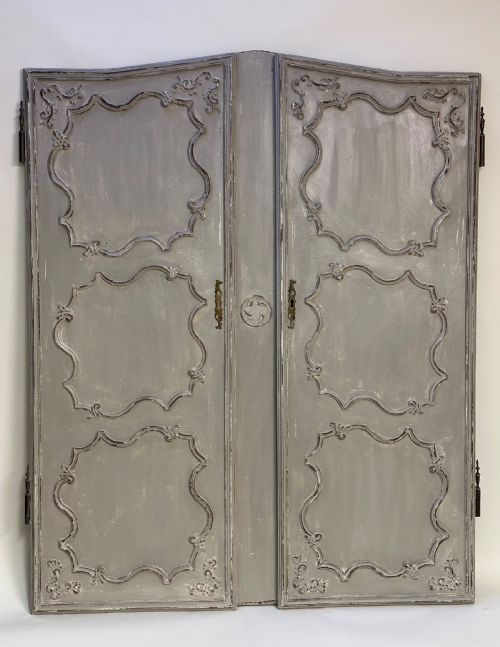


Decorative Wooden Cupboard
A decorative wooden cupboard brings distinct period character and practical storage to a room through painted finishes, rich timbers and carved detail.
Decorative Wooden Cupboard
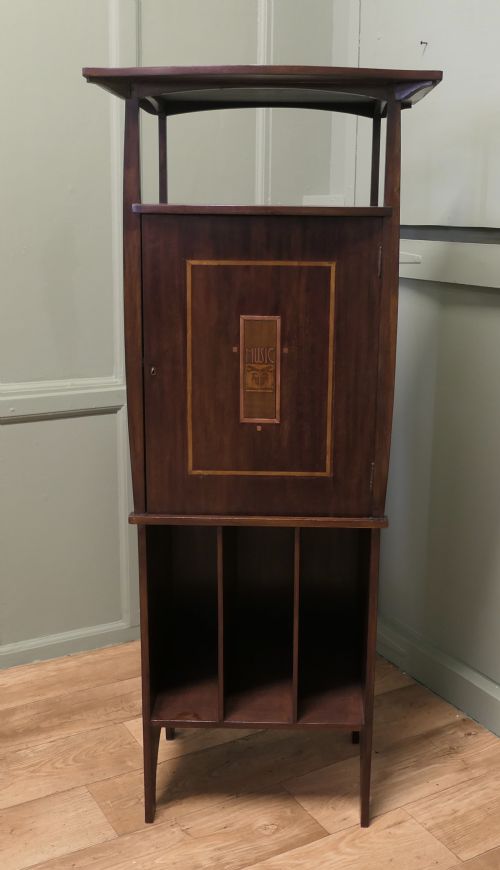
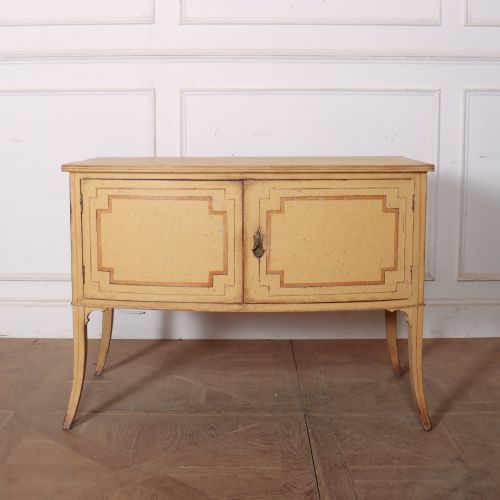
A decorative wooden cupboard encompasses a diverse group of storage furniture, ranging from small side cabinets and corner cupboards to music cabinets and buffets. These pieces emerge from periods spanning the eighteenth century through to the 1930s, offering varied proportions suited to different spaces.
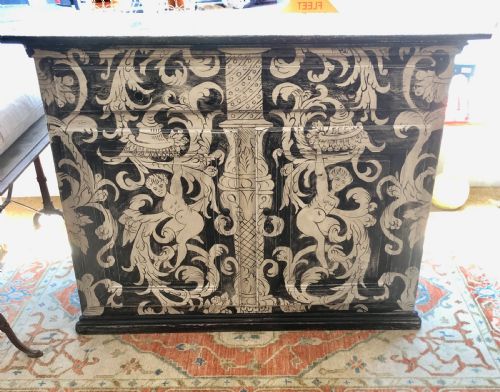
Makers and artists work within both traditional idioms and revival styles, producing items decorated with hand-painted scenes, faux finishes and detailed inlay. Each piece serves primarily as a focal point that combines utilitarian storage with strong visual interest.
How they were made
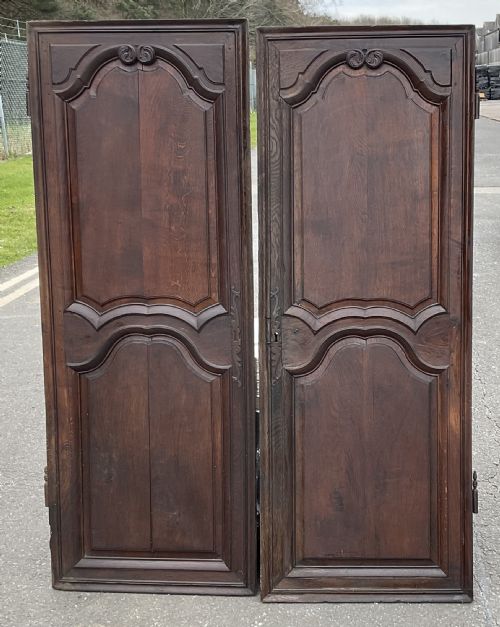
Cabinetmakers utilise a variety of timbers including golden oak, walnut, mahogany, and amboyna, often incorporating wood inlay to create surface pattern. Structural integrity relies on traditional joinery methods appropriate to the period of manufacture.
Decorative surface treatments distinguish many pieces, utilising hand-applied paint, faux tortoiseshell effects, and intricate carving in woods such as ebony. Iron and brass hardware provide functional hinges and handles that complement the timber and painted finishes.
Decorative Wooden Cupboard Retail Price Guide 2026
Typical asking prices for decorative wooden cupboard among the pieces listed under this phrase on Sellingantiques today, from the lower quarter to the upper quarter. They describe what is for sale here now, not the wider market.
Some nineteenth-century makers applied a faux tortoiseshell finish to humble timbers, convincing the eye before you touch the wood.
What varies in quality
The refinement of the surface decoration determines much of the visual success in painted and inlaid examples, separating simple utilitarian items from artist-executed works. Finely detailed hand-painting, such as Pre-Raphaelite or grotesque motifs, requires a high level of draughtsmanship.
Construction standards depend upon the selection of timber and the precision of the joinery, particularly in two-part buffets and glazed side cabinets. Original hardware, balanced proportions, and integrated carving elevate the overall integrity of the piece.
GM Elwood for JS Henry·Gordovil Spain·Melissa White
The Decorative Wooden Cupboard Glossary
- Side cabinet
- A low storage piece designed to sit against a wall, frequently featuring doors or drawers.
- Music cabinet
- A specialised upright cupboard originally constructed with internal shelving or compartments for sheet music.
- Inlay
- A technique where pieces of contrasting timber or material are fitted into a recessed surface to form a design.
- Buffet
- A larger storage or serving cabinet, sometimes built in two separate parts for ease of transport.
Decorative Wooden Cupboard: Frequently Asked Questions
Where should I place a side cabinet?
These cabinets work well in living rooms, hallways, or dining spaces where they provide useful surface area and concealed storage without dominating the room.
Consider the clearance needed for doors to open fully, especially in narrower hallways or corner placements.
How do I care for painted wood?
Keep painted and decorated wooden surfaces away from direct sunlight and steady moisture to protect the finish from fading or lifting.
Dust gently with a dry, soft cloth and avoid chemical polishes that can damage historic paint layers.
Are music cabinets practical today?
The internal shelving designed for sheet music makes these compact cupboards ideal for organising papers, stationery, or media collections.
Their modest footprint allows them to fit easily beside larger furniture items in modern interiors.
What defines Arts and Crafts furniture?
This movement emphasises honest construction, visible craftsmanship, and simple forms that highlight the natural qualities of the timber.
Pieces often feature understated hardware and structural honesty over excessive surface ornamentation.