



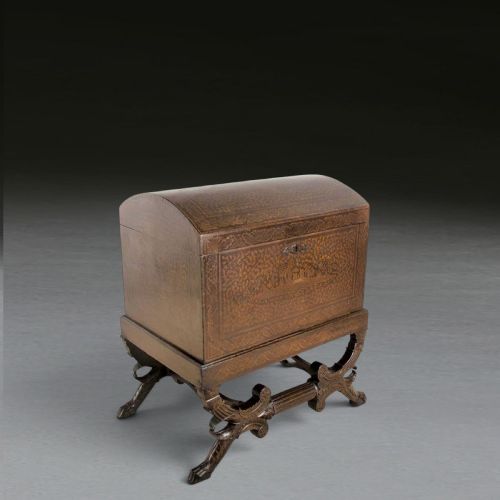


Decorative Wooden Coffer
These decorative wooden coffer pieces are sturdy storage chests and boxes built to travel, hold valuables or anchor a room with rich surface detail.
Decorative Wooden Coffer
When searching for a decorative wooden coffer, buyers encounter a diverse array of solid chests, trunks, and caskets originating from various global traditions and centuries. These pieces function primarily as secure storage or striking display furniture, often featuring heavy lids and robust framing.
The selections available here lean heavily into nineteenth-century examples alongside earlier seventeenth and eighteenth-century forms, each bringing distinct regional aesthetics from British, European, Middle Eastern, and Asian workshops. Most commonly, buyers meet domestic pine or walnut boxes alongside exotic hardwood trunks enriched with metal mounts.
Forms range from small tabletop jewellery boxes to massive traders chests and domed coffers designed to hold textiles or coinage. Their utility remains straightforward, though their exterior ornamentation elevates them beyond simple utility into the realm of folk art and fine cabinetmaking.
How they were made
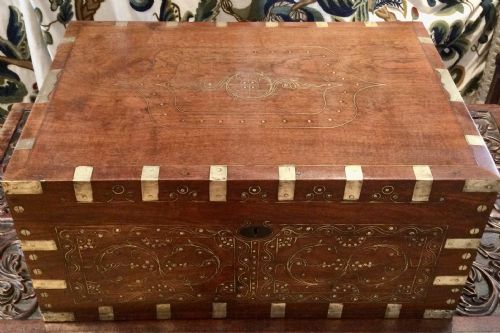
Maker construction relies heavily on native and exotic timbers such as hardwood, satinwood, burr walnut, and pine, joined to withstand heavy daily use. Panels are frequently fitted with structural iron or brass bracing to reinforce corners and lids against the strains of transport.
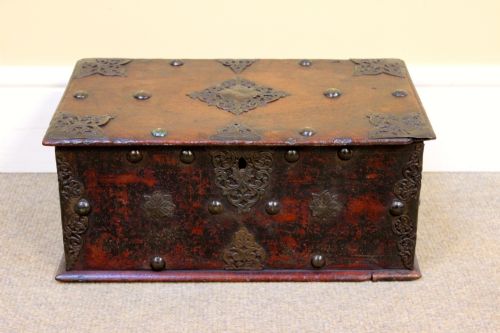
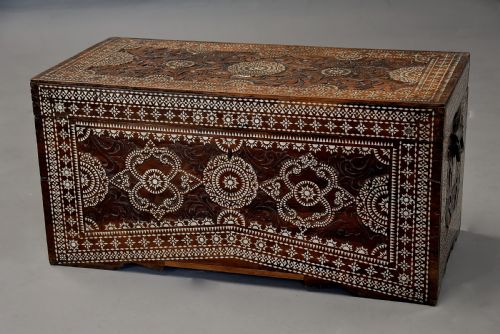
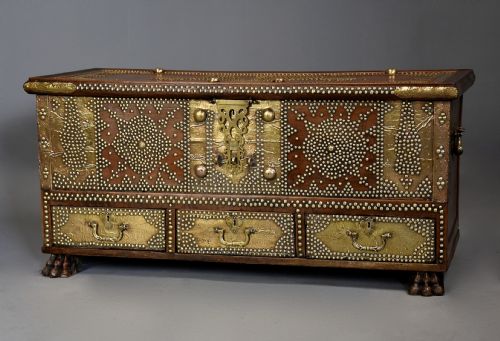
Surface ornamentation defines these pieces, utilising intricate mother of pearl inlay, brass studding, and painted motifs to create pattern and contrast. Artisans also employed Chinoiserie techniques and contrasting wood veneers to embellish the primary timber structure.
Decorative Wooden Coffer Retail Price Guide 2026
Typical asking prices for decorative wooden coffer among the pieces listed under this phrase on Sellingantiques today, from the lower quarter to the upper quarter. They describe what is for sale here now, not the wider market.
Materials span domestic pine and satinwood alongside exotic hardwoods, burr walnut, teak, brass, iron, and mother of pearl inlay.
What varies in quality
Quality separates simple utilitarian containers from masterwork pieces through the precision of the joinery and the complexity of the surface decoration. Superior examples display tightly fitted inlay, intact brass mounts, and original painted finishes that have aged naturally without heavy intervention.
The selection of timber significantly alters the standing of a piece, with figured burr walnut and densely grained hardwoods commanding greater visual weight than standard pine. Furthermore, the survival of internal velvet linings, original locks, and working keys elevates the overall integrity of the object.
The Decorative Wooden Coffer Glossary
- Coffer
- A heavy wooden chest traditionally used for holding valuables, money, or important documents. These pieces usually feature a hinged lid and robust construction.
- Inlay
- A decorative technique where small pieces of contrasting materials such as mother of pearl or fine woods are set flush into the surface of the primary timber. This method creates intricate patterns and pictorial designs.
- Chinoiserie
- European artistic styles that reflect Chinese decorative influences, often seen in painted or lacquered surface designs on furniture and boxes.
- Burr walnut
- Wood taken from a growth on a walnut tree, prized by cabinetmakers for its swirling, highly figured grain patterns. It provides a rich texture when polished.
- Brass stud
- A small metal fastener with a rounded head used decoratively in rows or patterns along the edges of leather or wood covered trunks.
Decorative Wooden Coffer: Frequently Asked Questions
What is a decorative wooden coffer used for?
These pieces served historically to secure valuable garments, documents, and trade goods during transit or within domestic quarters. Today they function as coffee tables, blanket storage, or decorative focal points in living spaces.
Their robust construction allows them to endure practical daily use while housing modern items discreetly out of sight.
How do I date a wooden coffer?
Dating relies on observing the construction marks, timber types, and the style of the metal hardware or decorative inlay. Earlier pieces from the seventeenth and eighteenth centuries often display hand-cut joinery and simpler forged iron fittings.
Victorian and later nineteenth-century examples frequently incorporate mass-produced brass studs, elaborate satinwood veneers, or factory-cast hinges that contrast with older hand-wrought methods.
Are these chests safe for delicate items?
Many older coffers and boxes retain their original wooden interiors or aged fabric linings which require gentle treatment for fragile textiles. Storing items away from direct sunlight and extreme humidity protects both the timber and any internal linings.
Adding archival tissue paper helps prevent friction against rougher interior wooden surfaces during storage.
How do I care for antique wood and brass?
Maintenance requires occasional light dusting with a dry microfiber cloth to prevent dirt accumulation in carved crevices and around brass mounts. Avoid modern silicone sprays, relying instead on traditional beeswax formulas to nourish dry timber.
Brass elements benefit from minimal intervention to preserve their natural age patina rather than aggressive polishing.