

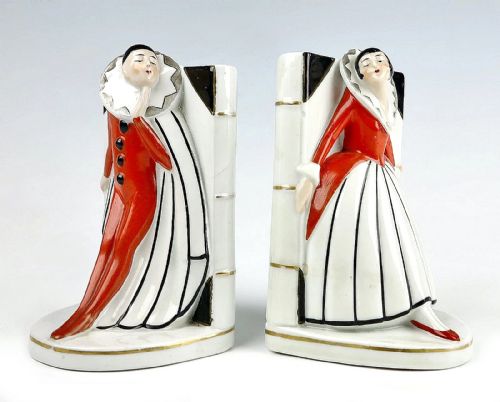


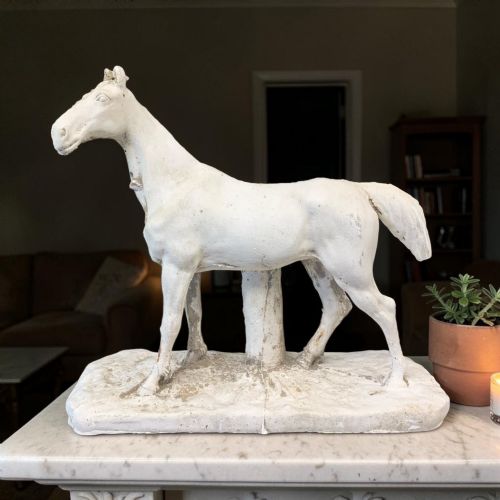


Decorative White Figures
These decorative white figures range from Victorian Parian busts to carved alabaster and porcelain groups, offering sculptural presence and fine period detail for the interior.
Decorative White Figures
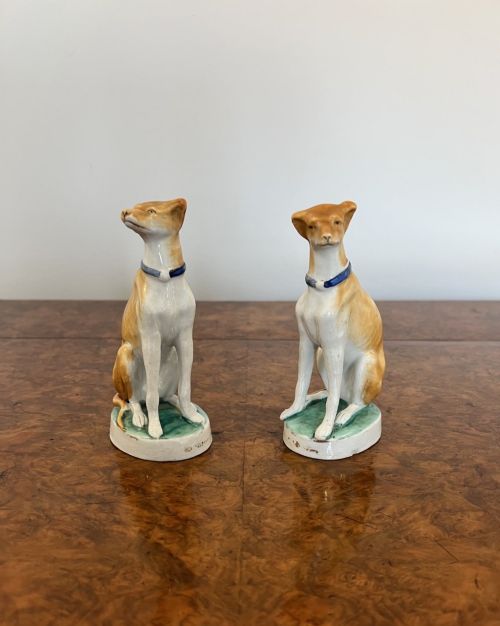
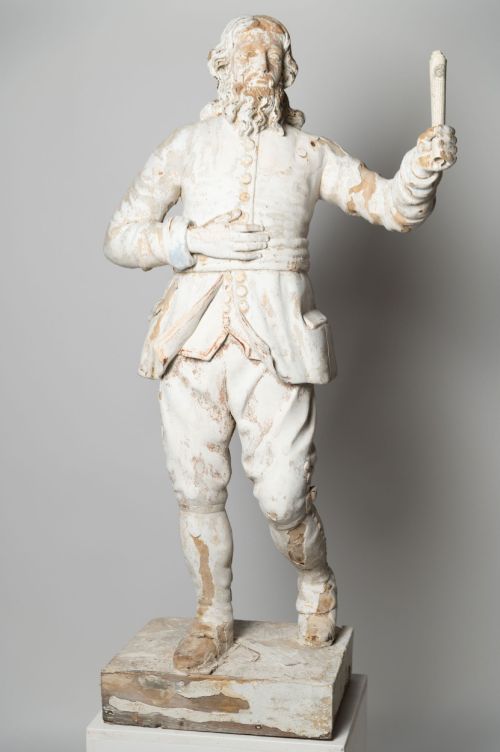
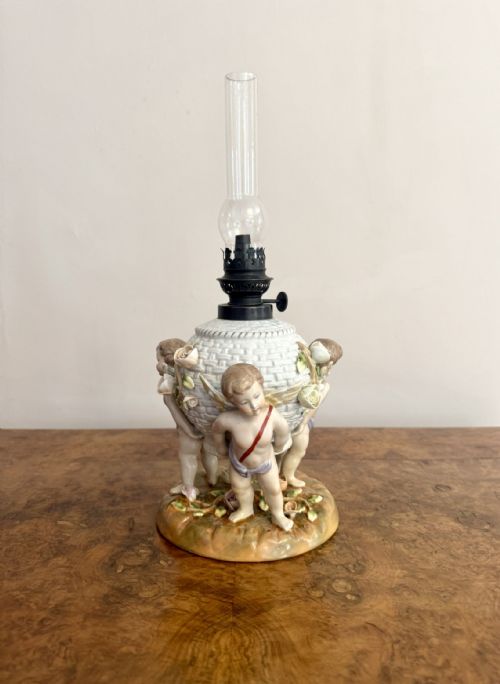
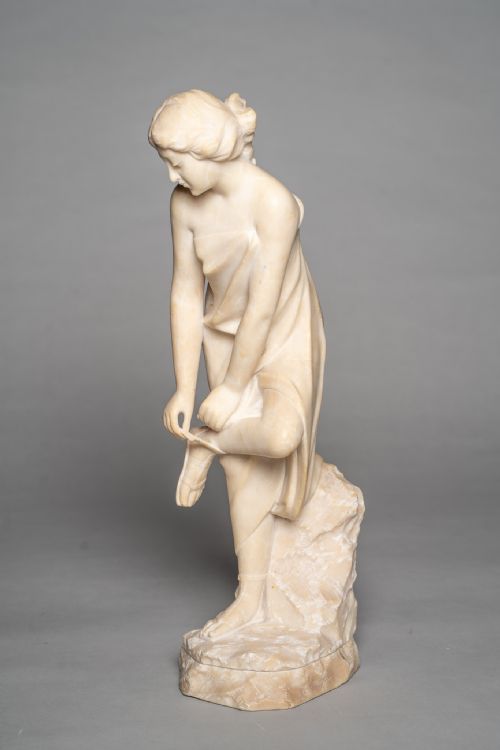
Decorative white figures encompass a diverse array of sculptural forms, from nineteenth-century Parian porcelain groups and bisque figures to carved alabaster busts and plaster models. Buyers encounter representations of human subjects, animals, and allegorical figures created across the Victorian era, the Art Deco period, and earlier decades.
The selection on this page relies heavily on ceramics, marble, and alabaster, reflecting domestic display practices from the nineteenth century through the early twentieth century. These pieces function as tabletop ornaments, mantelpiece sculptures, and bookends, bridging classical revival tastes and modernist design.
Origins span European factories such as Meissen, Sitzendorf, and Copeland, alongside Italian carvers and studio plaster workshops. This mix provides varied interpretations of the human form and animal subjects in pale tones.
Materials and methods
Ceramic figures utilise hard-paste porcelain, biscuit porcelain, and Parian ware, a material developed in the nineteenth century to imitate carved marble. Factories cast or moulded these porcelain bodies before firing them to achieve matte or glazed white surfaces.
Carved pieces employ soft stones like alabaster and Carrara marble, shaped with chisels and rasps to capture the drape of fabric and contours of the face. Plaster and cast iron serve alternative sculptural traditions, relying on moulds for replication.
Decorative White Figures Retail Price Guide 2026
Typical asking prices for decorative white figures among the pieces listed under this phrase on Sellingantiques today, from the lower quarter to the upper quarter. They describe what is for sale here now, not the wider market.
Listings feature materials spanning porcelain, alabaster, marble, bronze, and glass across the nineteenth and early twentieth centuries.
Assessing quality and execution
Quality rests upon the crispness of the modelling and the precision of the finishing work, particularly in the rendering of facial expressions, hair, and drapery. Finer porcelain and marble examples display subtle undulations and sharp relief rather than softened edges from worn moulds.
The choice of medium dictates the depth of detail, where hand-carved alabaster and Carrara marble reveal translucent qualities absent in heavy plaster casts. Markings from established factories or signatures by known sculptors elevate the standing of a piece within its period.
Sitzendorf porcelain·Meissen porcelain·Royal Worcester·Mintons·Auguste Moreau
The Decorative White Figures Glossary
- Parian ware
- A type of fine-grained unglazed porcelain developed in the mid-nineteenth century that resembles carved marble. It gained popularity for portrait busts and classical figures.
- Biscuit porcelain
- Unglazed ceramic fired once to create a matte, porous surface with a texture akin to marble. It is frequently associated with French and German figures.
- Alabaster
- A soft stone used for carving sculptures and portrait busts, valued for its translucence and pale grain. It requires careful handling to prevent marking.
- Hard-paste porcelain
- A durable ceramic composition fired at high temperatures using kaolin and petuntse. It allows for sharp details and crisp modelling in figures.
- Flatback
- A ceramic figure designed with an unglazed or undecorated flat rear surface meant to stand against a wall or mantelpiece. This style is typical of nineteenth-century Staffordshire production.
Decorative White Figures: Frequently Asked Questions
How do I clean alabaster figures?
Alabaster is a soft and porous stone that absorbs moisture and stains easily. Cleaning requires a dry, soft cloth without water or chemical solvents.
Keeping these sculptures away from direct sunlight and damp environments preserves the surface and prevents discoloration over time.
What is a flatback figure?
A flatback figure is a ceramic ornament modelled with detail on the front and sides while the back remains flat and unglazed. This construction suited placement on narrow mantelpieces.
Staffordshire potteries produced large quantities of these pieces during the nineteenth century for cottage and parlour decoration.
How do I date a marble bust?
Dating relies on the sculpting style, the treatment of the hair and clothing, and any signatures or foundry marks on the base. Victorian and late nineteenth-century examples often favour classical revival subjects.
Examining the underside and the tools marks provides further clues regarding whether the piece is hand-carved or machine-finished.