




Decorative Wall Textile
When you select a decorative wall textile, you choose a rich historical piece that brings warmth and texture directly into a room.
Decorative Wall Textile
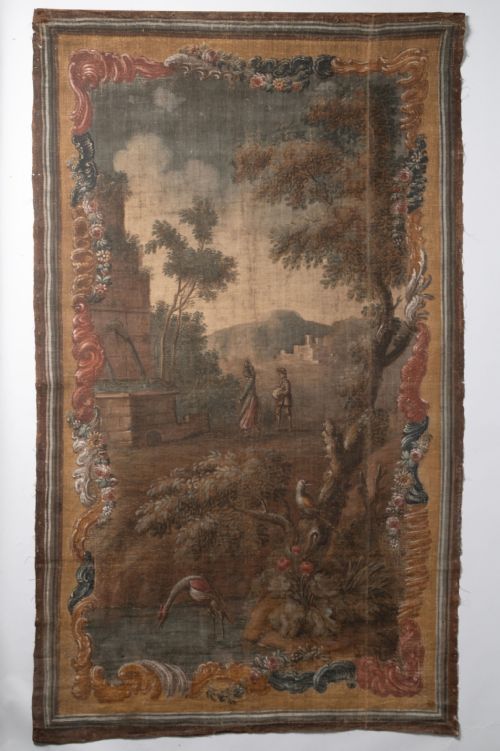
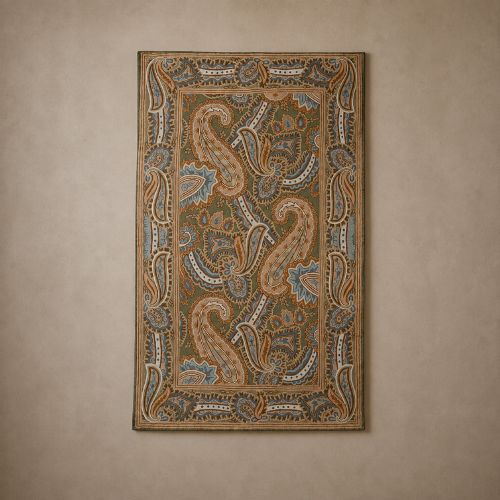
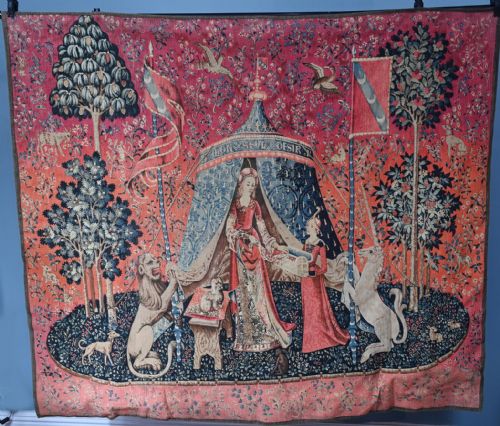
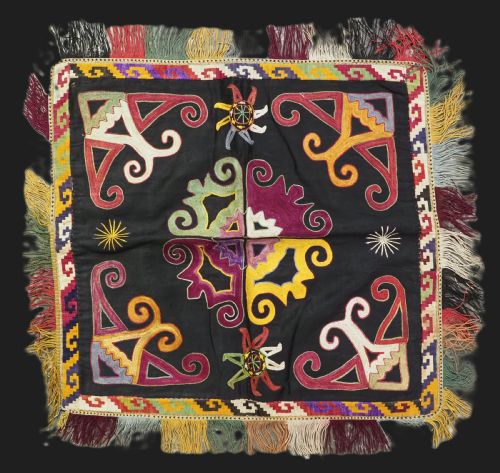
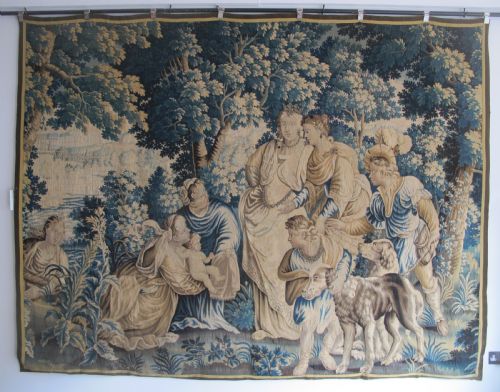
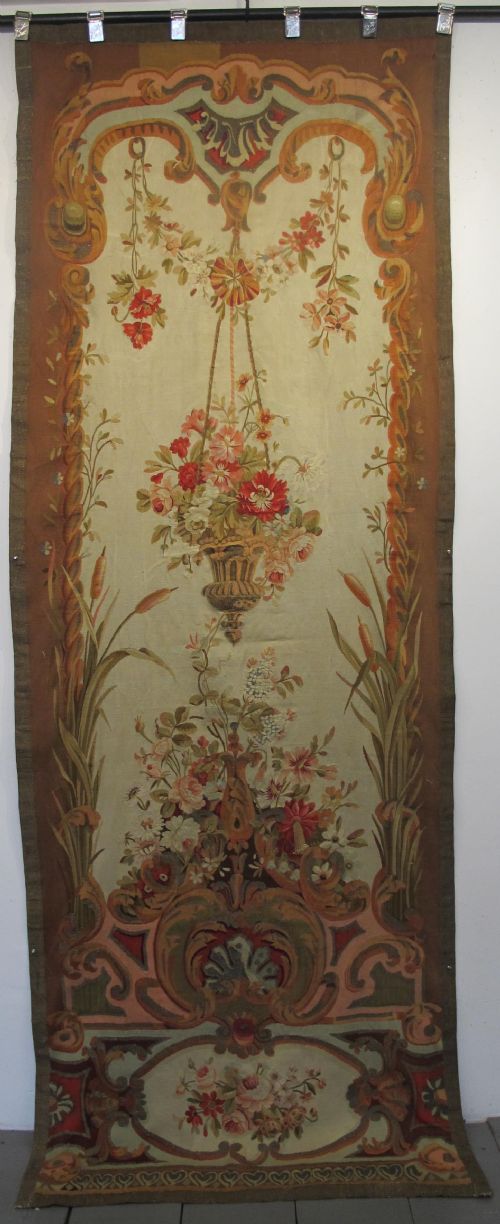
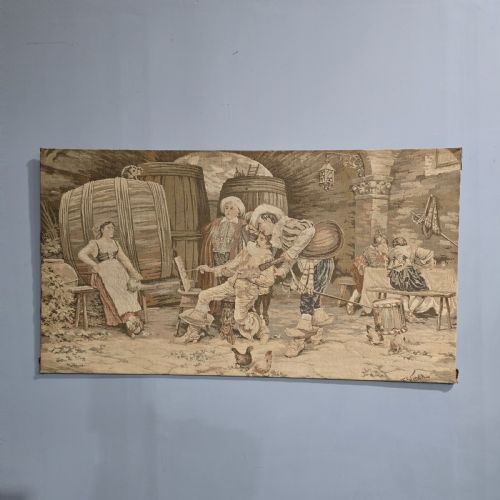
A decorative wall textile spans various historical traditions, encompassing tribal weavings, European tapestries, and embroidered panels designed to hang vertically.
The selections on this page frequently include Central Asian tribal embroideries, Persian weavings, and traditional European tapestries dating from the seventeenth century onwards.
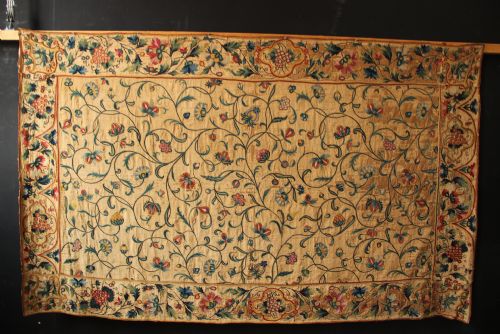
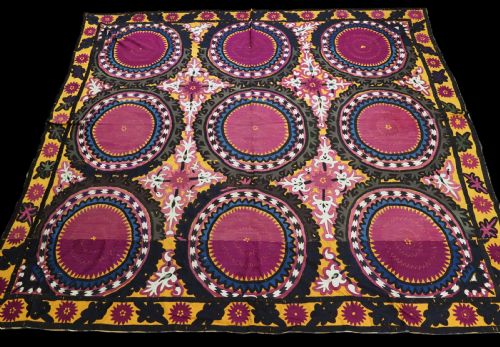
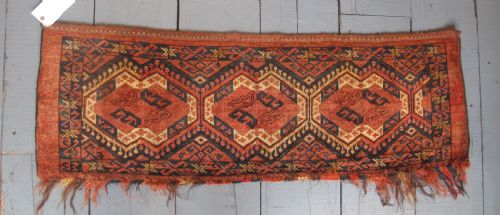
Buyers encounter numerous regional variations, from Uzbek suzanis and Turkmen tent bands to crewelwork panels and classical French woven wall coverings.
Materials and Technique
These pieces rely primarily on natural fibres such as wool, cotton, silk, and linen, often dyed using traditional natural substances to achieve lasting colour.
Execution methods vary widely between regions, encompassing intricate hand embroidery, fine wool weaving, and occasionally supplementary metal threads or glass beads.
Decorative Wall Textile Retail Price Guide 2026
Typical asking prices for decorative wall textile among the pieces listed under this phrase on Sellingantiques today, from the lower quarter to the upper quarter. They describe what is for sale here now, not the wider market.
Listings incorporate diverse materials including wool, cotton, silk, linen, metal threads, and glass beads across multiple centuries.
Assessing Quality
Quality rests upon the fineness of the weave or the density of the embroidery, where denser needlework and tighter knotting indicate greater skill.
The vibrancy and integrity of the original dyes, alongside the preservation of the textile fabric itself, determine the distinction between ordinary and exceptional examples.
The Decorative Wall Textile Glossary
- Suzani
- An embroidered tribal hanging originating from Central Asia, typically worked in silk on a cotton ground.
- Tapestry
- A form of textile art woven on a loom rather than embroidered, often depicting figurative scenes.
- Crewelwork
- A type of surface embroidery using wool yarn to create dense, flowing floral or pattern designs.
- Torba
- A small Turkmen storage bag face, traditionally used inside a tent and valued for its geometric tribal motifs.
- Kalamkari
- A type of hand-painted or block-printed cotton textile originating from India.
Decorative Wall Textile: Frequently Asked Questions
How do I hang a textile safely?
Mounting a heavy textile requires distributing the weight evenly along the top edge using a padded wooden batten or a sleeve sewn to the back.
Avoid direct sunlight and high humidity to protect fragile natural fibres from fading and deterioration over time.
What is a suzani?
A suzani is a traditional embroidered panel created in Central Asia, often by brides as part of their dowry.
These pieces feature bold botanical motifs and colourful silk threads stitched onto cotton or linen foundations.
How do I clean an antique textile?
Antique textiles require minimal intervention and should only be cleaned by professional conservators specialising in historic fabrics.
Routine maintenance involves very gentle surface vacuuming through a protective mesh screen on a low suction setting.
How can I tell a European tapestry from a tribal weaving?
European tapestries are woven pictorial wall hangings often depicting classical, mythological, or pastoral scenes in wool and silk.
Tribal weavings from Central Asia or Persia typically display geometric patterns, repeating motifs, and distinct nomadic symbols.