




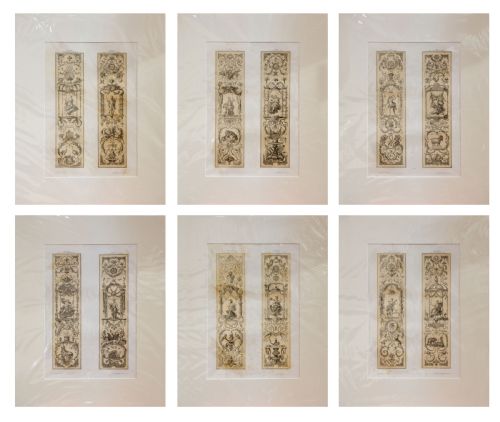


Decorative Wall Prints
Decorative wall prints bring historic maps, botanical studies and theatrical scenes into domestic spaces with lasting character.
Decorative Wall Prints
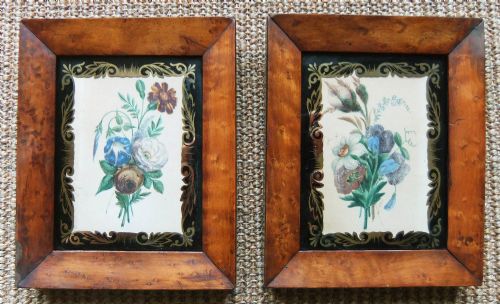
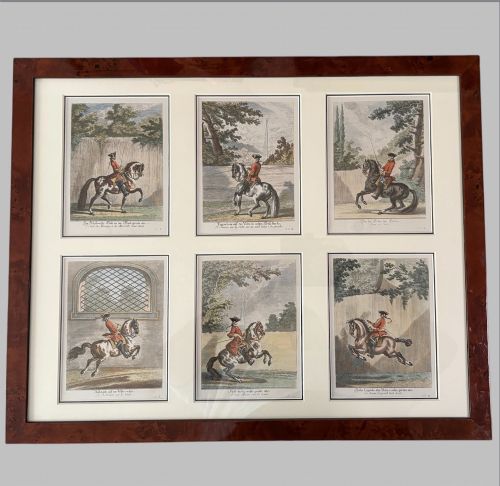
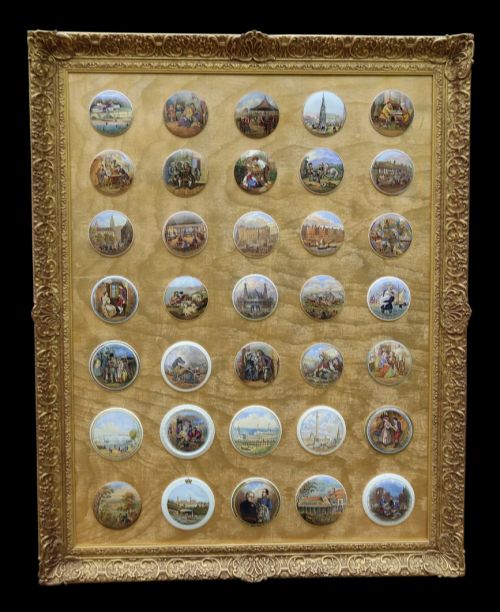
Decorative wall prints encompass a wide variety of framed paper works, maps, engravings and watercolours spanning multiple centuries. Buyers selecting decorative wall prints often encounter Victorian lithographs, Georgian equestrian copper engravings and 17th-century cartography.
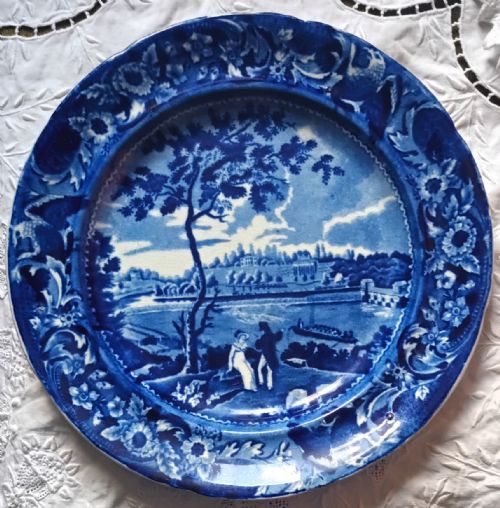
The material forms vary considerably, ranging from standalone framed prints and tinsel decoupage to textile wall hangings, earthenware plates and painted panels. Pieces often arrive housed in period wooden frames, oak surrounds or giltwood mouldings that complement the age of the artwork.
Origins stretch across English, French and continental European workshops, alongside traditional Indian Kalamkari temple paintings. This selection reflects diverse interior aesthetics from Jacobean and Neoclassical styles to Edwardian framing traditions.
Materials and production methods
Paper forms the primary medium, receiving images through ink engraving, lithography, hand colouring and watercolour painting. Copper plates transfer detailed lines for maps and equestrian subjects, whilst later techniques include crystoleum painting and pottery transfers.
Framing materials traditionally utilise oak, gesso and giltwood to protect and display the delicate paper or textile surfaces. Protective glass frequently covers the prints, safeguarding the ink and pigments from environmental wear over the decades.
Decorative Wall Prints Retail Price Guide 2026
Typical asking prices for decorative wall prints among the pieces listed under this phrase on Sellingantiques today, from the lower quarter to the upper quarter. They describe what is for sale here now, not the wider market.
Listings feature paper, glass, wood, ink, earthenware, giltwood, oak and gesso across multiple centuries.
Assessing quality and craftsmanship
Quality rests upon the crispness of the ink impression, the precision of hand-applied colour and the fidelity of early cartographic details. Finer examples retain strong pigment vibrancy and clear plate marks, showing minimal fading across the paper surface.
The enclosing frames significantly influence the overall integrity of the piece, with original period giltwood and carved oak surrounds holding greater historical alignment. The skill of the original printmaker or publisher, such as notable cartographers and artists, elevates the standing of the work.
The Decorative Wall Prints Glossary
- Engraving
- A printmaking technique where an artist cuts lines into a metal plate to hold ink. This method produces fine, precise details often seen in historical maps and equestrian illustrations.
- Lithography
- A planographic printing process based on the repulsion of oil and water. It allowed Victorian publishers to produce multicoloured prints efficiently.
- Crystoleum
- A photograph or print applied to glass, made transparent and hand-coloured from the reverse before sealing. This creates a luminous, three-dimensional painted effect popular in the Victorian period.
- Cartography
- The science and art of mapmaking. Antique examples often feature decorative cartouches and hand-tinted regional borders.
- Kalamkari
- A traditional type of hand-painted or block-printed cotton textile. These wall hangings depict intricate mythological and narrative scenes.
Decorative Wall Prints: Frequently Asked Questions
How do I date an old print?
Dating relies on examining the paper stock, printing technique, and any publisher inscriptions or watermark evidence present on the sheet.
Period framing styles and mounting methods also offer reliable clues to the age of the piece.
Are these prints original antiques?
The selections span historical periods from the seventeenth century through to the early twentieth century.
Each piece reflects the printing technology and artistic conventions of its specific era of production.
How should I hang framed paper prints?
Paper works require protection from direct sunlight to prevent the fading of inks and hand-applied watercolours.
Maintaining stable indoor humidity levels prevents the paper stock from buckling within the frame.
What is a copperplate engraving?
Copperplate engraving involves carving an image directly into a polished sheet of copper using a sharp steel tool called a burin.
Ink is pressed into the recessed grooves and transferred to damp paper under high pressure.