



Decorative Wall Artwork
Decorative wall artwork brings together centuries of painted panels, framed watercolours and metal plaques designed to transform an interior.
Decorative Wall Artwork
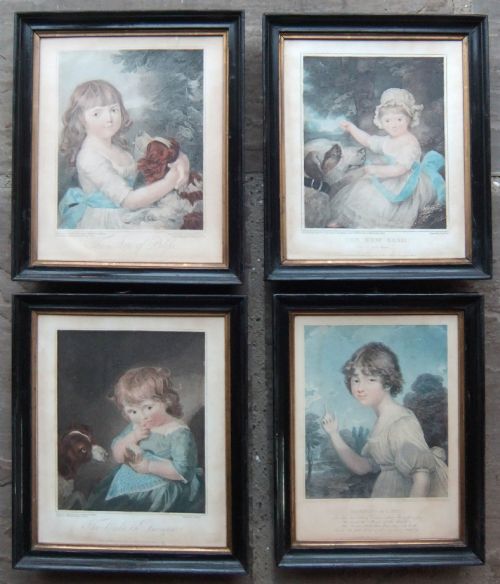
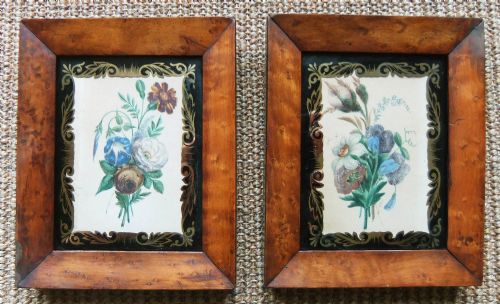
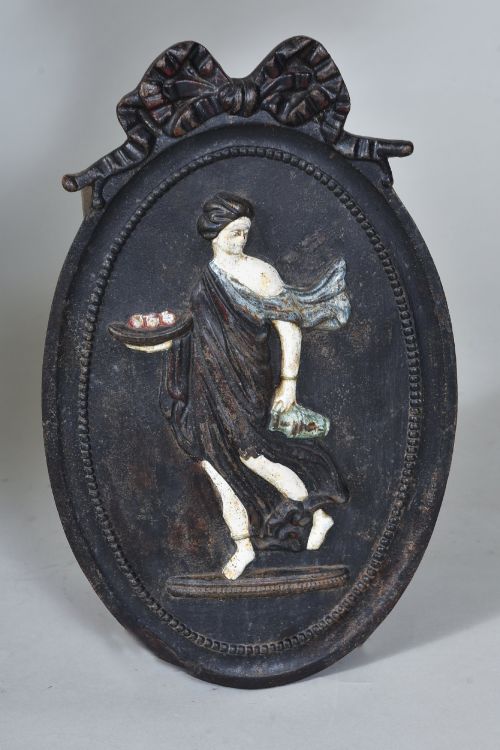
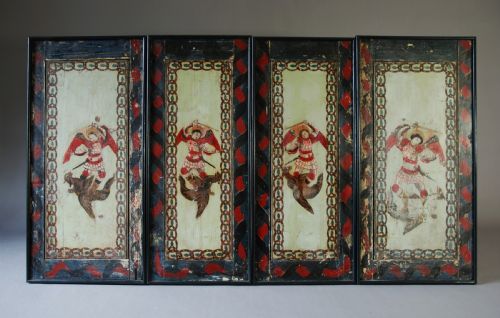
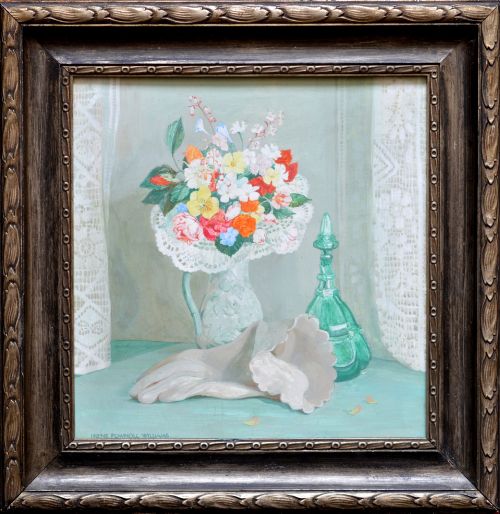
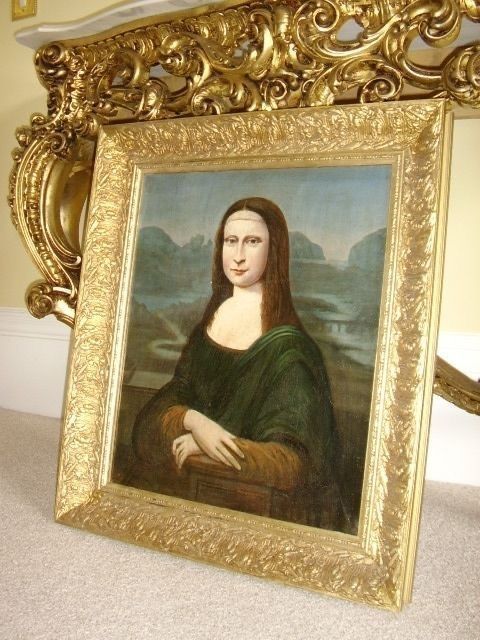
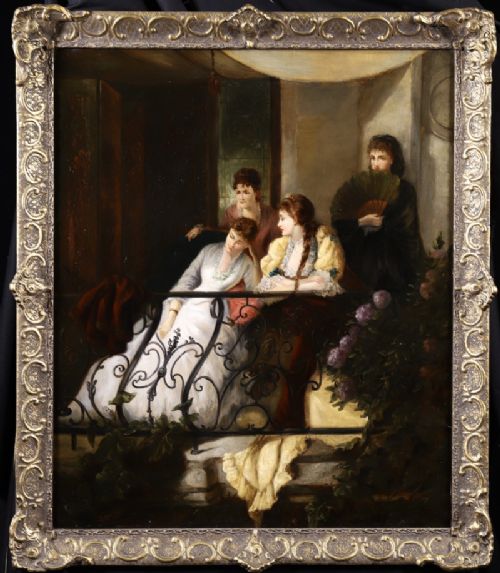
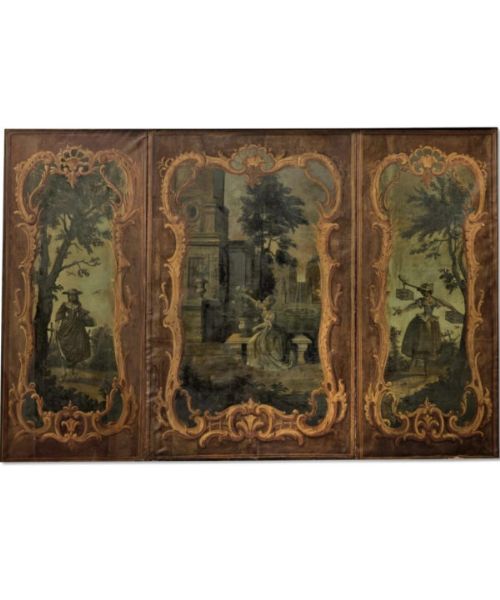
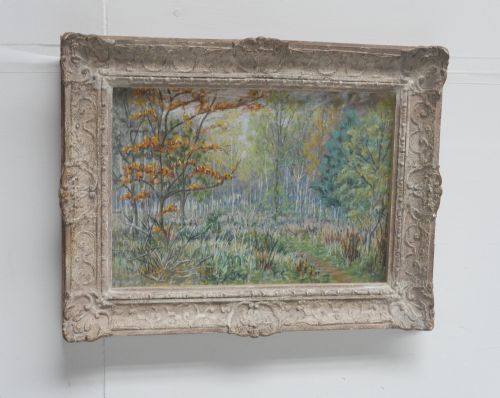
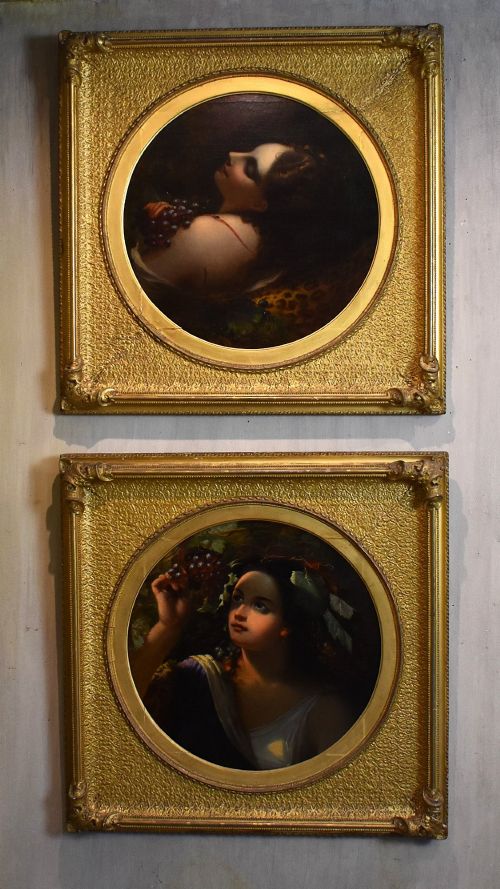
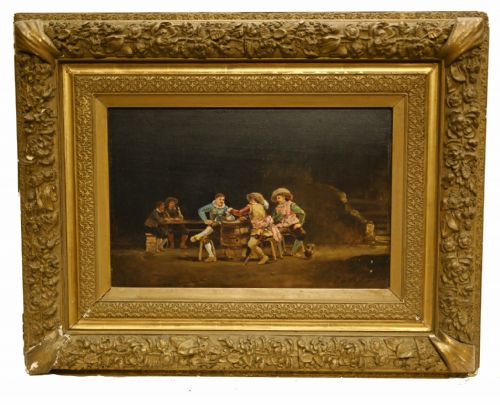
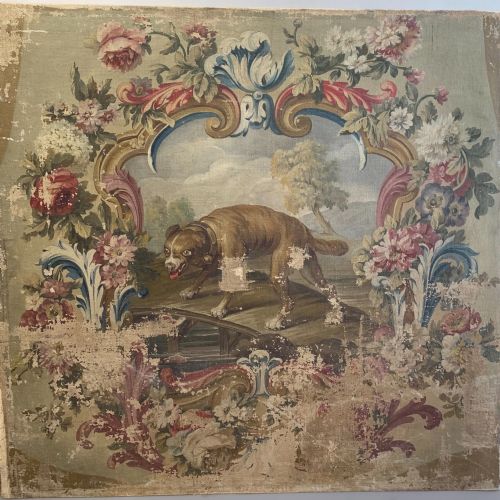
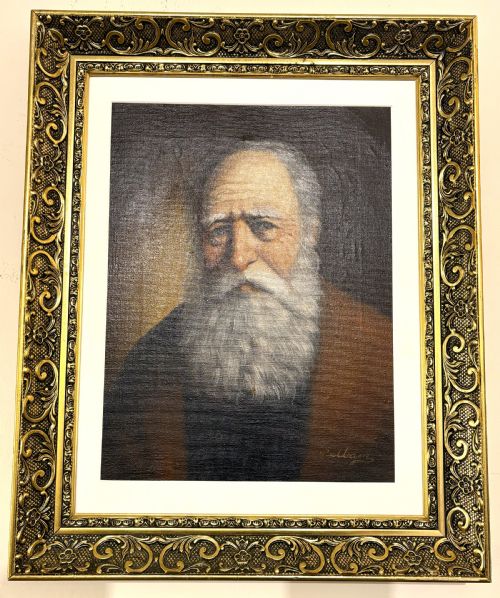
Decorative wall artwork encompasses a diverse mix of historical paintings, framed prints, painted wooden panels and metal wall plaques originating from European, Asian and British traditions. Buyers searching this phrase encounter everything from naive eighteenth-century pine panels and nineteenth-century gouache watercolours to mid-century tempera still lifes and Japanese cloisonne plates.
The objects span multiple centuries, with significant representation from the eighteenth and nineteenth centuries alongside twentieth-century examples. Forms range from large canvas oils and triptych wall hangings to miniature birding paintings and lacquered panels inlaid with mother-of-pearl.
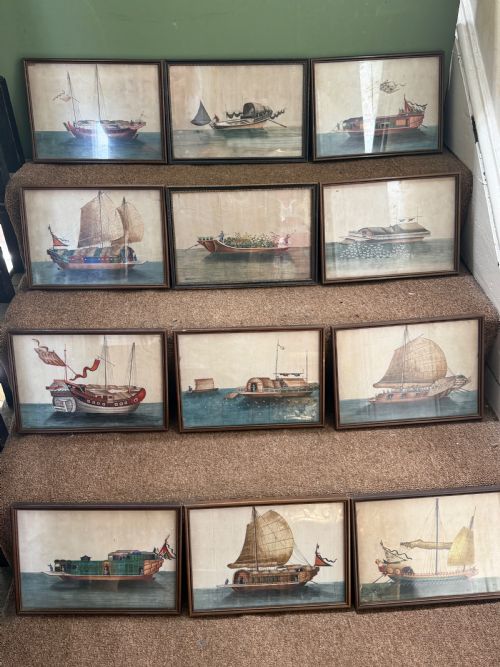
The selection frequently includes specialised formats such as Chinese Export ship paintings, theatrical tinsel prints, Indian temple textiles, and reverse-painted mirrors. These pieces function primarily as visual focal points for domestic spaces, combining artistic merit with decorative impact.
Materials and construction
Makers utilised traditional supports including canvas, wood panels, paper, copper and glass, applying media such as oil paint, tempera, gouache, watercolour and enamel. Many works incorporate specialised embellishments like gold leaf, mother-of-pearl inlay and hand-enamelled metal framing.
Techniques range from fine brushwork on oil paintings and delicate gouache illustrations to cloisonne enamel firing on metal plates and intricate decoupage work. Wood and metal elements often feature carved, lacquered, or etched surfaces tailored to the specific artistic tradition of the piece.
Decorative Wall Artwork Retail Price Guide 2026
Typical asking prices for decorative wall artwork among the pieces listed under this phrase on Sellingantiques today, from the lower quarter to the upper quarter. They describe what is for sale here now, not the wider market.
Cherubs play happily across nineteenth-century trompe l'oeil panels while koi fish leap eternally on Japanese chargers.
Assessing quality in wall artwork
Quality rests upon the execution of the hand, the preservation of the original surface materials, and the sophistication of the composition. Works displaying confident brushwork, secure pigment adhesion, and well-preserved frames stand apart from simpler decorative items.
The integrity of the ground - whether canvas, panel, or paper - alongside the subtlety of colour and detail dictates the tier of the piece. Regional variations, such as the precision of Japanese cloisonne wirework or the hand-painted execution of native pine panels, further distinguish finer examples.
Theodore Jensen·John A Monteith·Irene Christobelle Pownoll Williams·Stuart Armfield·Constant Ludovic Artz·Ruth Prowse·William Powell Frith
The Decorative Wall Artwork Glossary
- Gouache
- An opaque watercolour paint consisting of natural pigment, water, and a binding agent such as gum arabic, producing a flat, matte finish. It allows for rich colour application on paper and card supports.
- Cloisonne
- A metalwork technique where thin wire partitions are soldered to a base plate to create cells, which are then filled with enamel paste and fired. The resulting surface displays intricate coloured patterns bounded by metal lines.
- Tempera
- A permanent, fast-drying painting medium consisting of coloured pigment mixed with a water-soluble binder, traditionally egg yolk. It is frequently applied to wood panels to achieve fine detail.
- Crystoleum
- A Victorian method of applying a hand-coloured print to the inside of a convex glass piece, removing the paper backing, and painting behind it. This creates a layered, three-dimensional visual depth.
- Trompe l'oeil
- An art technique that uses realistic imagery to create the optical illusion that the depicted objects exist in three dimensions. It often appears on painted panels designed to trick the eye.
Decorative Wall Artwork: Frequently Asked Questions
How do I hang heavy wall plaques safely?
Heavy plaques and framed panels require fixings suited to the specific weight of the object and the wall construction. Utilising picture wire anchored directly to structural studs or masonry hooks ensures secure placement.
Larger painted wooden panels and metal chargers benefit from custom brackets that distribute the load evenly across the mounting surface.
Can tempera paintings be cleaned safely?
Tempera surfaces are sensitive to moisture and aggressive solvents because the traditional egg binder reacts poorly to liquid cleaning agents. Dusting gently with a soft, dry brush is the primary method for maintaining the surface.
Professional conservators should handle any deeper cleaning to avoid lifting the pigment from its panel support.
What lighting protects antique paintings?
Ultraviolet radiation from direct sunlight and harsh halogen bulbs fades historical pigments and damages paper supports over time. Positioning artworks away from direct southern exposure preserves the integrity of the original colours.
Low-heat LED picture lights provide illumination without introducing damaging UV rays or excessive heat to delicate canvases and watercolours.
How are different periods identified?
Period identification relies on examining the substrate materials, framing methods, and stylistic conventions characteristic of specific eras. Eighteenth-century pieces frequently employ hand-painted pine panels and naive compositions, while Victorian examples often feature rich oil techniques or embossed metal framing.
Comparing the backing materials, pigments, and signature styles against established artistic movements helps confirm the age of an artwork.