



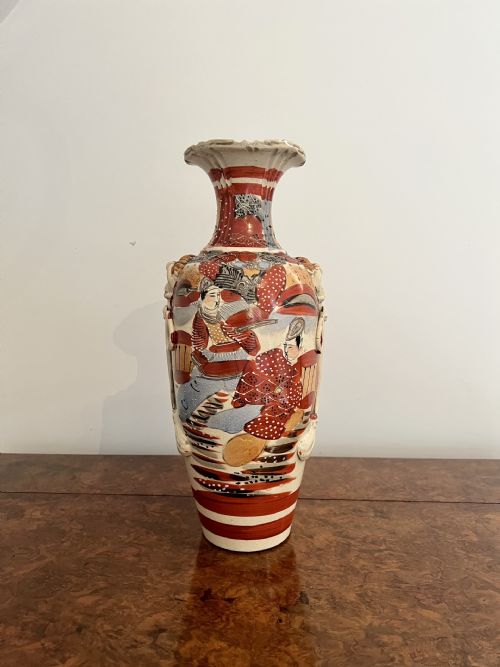
Decorative Terracotta Vessel
These decorative terracotta vessel examples range from nineteenth-century Moroccan garden planters to early Islamic bowls, offering distinct clay forms for the home.
Decorative Terracotta Vessel
A decorative terracotta vessel brings fired clay shapes into interior and exterior spaces, encompassing forms such as garden urns, planters, and handled jars. These items draw on diverse global traditions, spanning Moroccan glazed pieces, continental majolica, and early Persian slip-painted bowls.
Buyers browsing this selection will encounter nineteenth-century productions alongside older ceramic items, reflecting varied regional pottery methods. Forms range from large lidded ginger jars and centrepieces to modest vases resting on stands.
The objects combine utilitarian clay origins with ornamental detailing, often integrating painted motifs, metallic mounts, or applied glazes. Each piece demonstrates the enduring appeal of baked earth shaped into functional and decorative containers.
How they were made
Maker construction relies primarily on earthenware and terracotta bodies formed by hand or wheel, then fired to achieve porous or semi-vitrified structure. Artisans frequently applied slips, glazes, or enamel decoration to the clay surface before secondary firing.
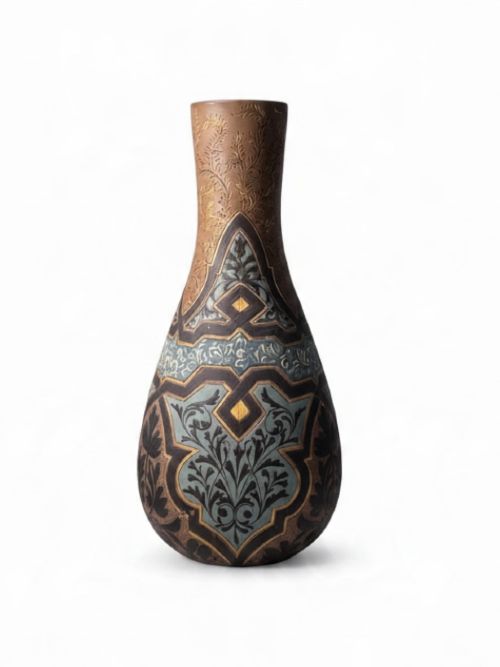
Advanced examples incorporate specialised decorative elements including cobalt blue glazes, gold leaf highlights, lacquer over-paint, and silver metal mounts. These surface treatments transform basic terracotta into ornate vessels featuring figural scenes or geometric patterns.
Decorative Terracotta Vessel Retail Price Guide 2026
Typical asking prices for decorative terracotta vessel among the pieces listed under this phrase on Sellingantiques today, from the lower quarter to the upper quarter. They describe what is for sale here now, not the wider market.
Materials span basic terracotta and earthenware alongside porcelain, enamel, gold leaf, and silver metal mounts.
What varies in quality
Quality differences emerge through the precision of the pottery throw, the control of kiln temperatures during firing, and the refinement of the clay body itself. Finer specimens display balanced proportions, clean throwing lines, and stable structural integrity.
The execution of surface decoration distinguishes standard items from superior pieces, particularly in hand-painted motifs, enamel adhesion, and the integration of metal mounts or cabochons. Preservation of the original glaze and minimal kiln distortion also elevate an object's standing.
Burmantoft's Pottery·Royal Dux
The Decorative Terracotta Vessel Glossary
- Terracotta
- A porous, red-brown earthenware clay that is fired at relatively low temperatures and used for both structural pottery and decorative vessels.
- Majolica
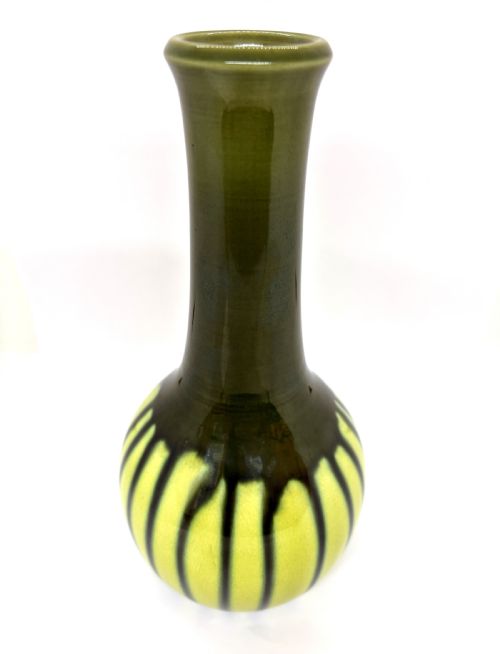
- Tin-glazed earthenware decorated with colourful metal oxide pigments, popular in European ceramics.
- Slip
- A liquid mixture of clay and water applied to pottery surfaces before firing to smooth the body or create decorative patterns.
- Earthenware
- Pottery fired at lower temperatures that remains porous unless glazed, forming the base material for many traditional vessels.
- Imari
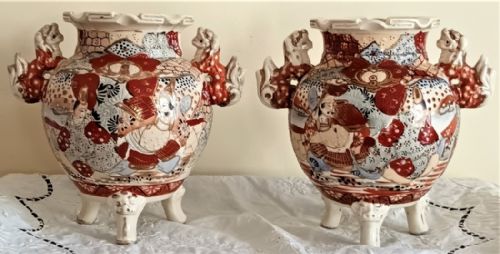
- A style of Japanese porcelain featuring distinctive underglaze blue and overglaze iron red, gold, and green colours.
Decorative Terracotta Vessel: Frequently Asked Questions
How do I clean a decorative terracotta vessel?
Dust the unglazed clay gently with a dry, soft brush to prevent dirt accumulation within the porous surface. Avoid using water or chemical detergents on raw terracotta, as moisture can become trapped and cause structural breakdown.
Glazed sections can be wiped carefully with a damp cloth and dried immediately. Take extra care around metal mounts or delicate lacquer over-paint to prevent accidental damage during maintenance.
Can I use these garden urns outdoors?
Most historic terracotta pieces are vulnerable to frost damage because moisture absorbed into the porous clay expands when freezing temperatures occur. It is generally safer to keep antique earthenware vessels indoors or sheltered from harsh winter conditions.
If placed on a patio or garden, elevate the base slightly on pot feet to improve drainage and prevent moisture pooling. Bring the vessel inside during severe weather to protect the clay and any surface glazes.
How do I date an antique terracotta piece?
Examine the base and interior for signs of hand-throwing, tool marks, and wear patterns consistent with historical manufacturing techniques. The composition of the clay body and the characteristics of the glaze provide clues regarding the period of origin.
Compare stylistic markers such as painted motifs, form proportions, and mounting styles with documented examples from specific eras. Maker marks or stamps, where present, offer direct confirmation of the workshop and production timeframe.
Where should I display a large centrepiece?
Position large ceramic bowls or lidded jars on sturdy surfaces such as dining tables, sideboards, or dedicated pedestals that can support their weight. Ensure the display location has adequate room to appreciate the form without risking accidental knocks from foot traffic.
Keep vessels away from direct heat sources and strong, continuous sunlight that might fade applied enamels or dry out the clay. Lighting from above can highlight surface textures, metal mounts, and intricate glaze variations effectively.