




Decorative Table Sculpture
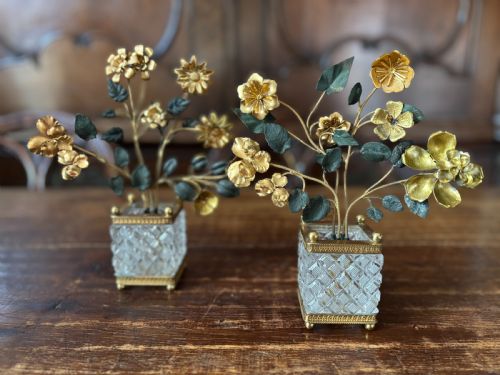
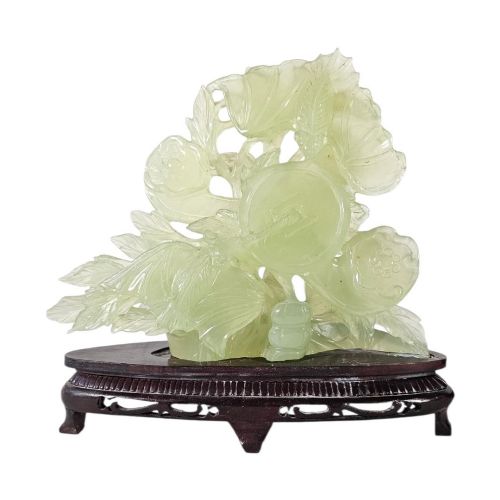
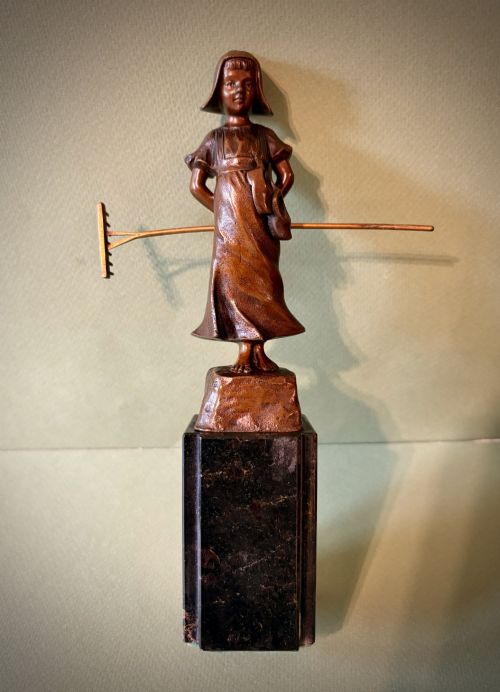
These decorative table sculpture pieces bring character to a room through bronze, marble, porcelain and wood.
Decorative Table Sculpture
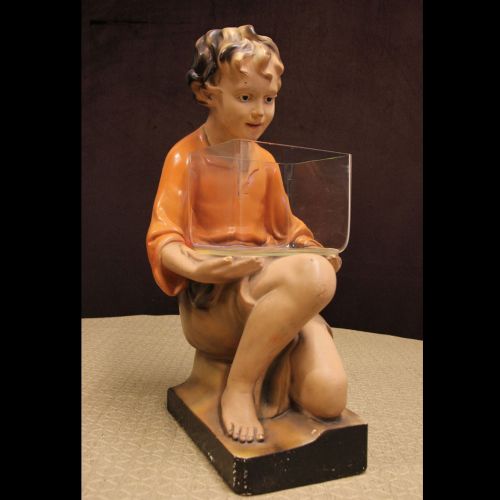
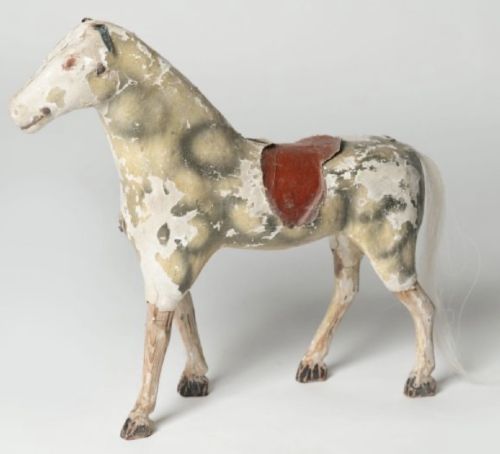
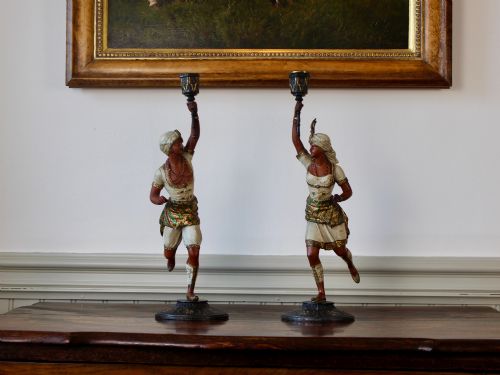
A decorative table sculpture functions as a centrepiece or focal point on a surface, ranging from figural lamps and candlesticks to animal models and human figures. When exploring decorative table sculpture, a buyer encounters diverse functional and purely ornamental forms created across multiple periods.
The pieces on this page span the Georgian, Victorian, and early twentieth century eras, drawing on styles such as Art Deco, Art Nouveau, Neoclassical, and Orientalist. These items served distinct purposes in domestic interiors, operating as table ornaments, night lights, centrepieces, and novelty dinner gongs.
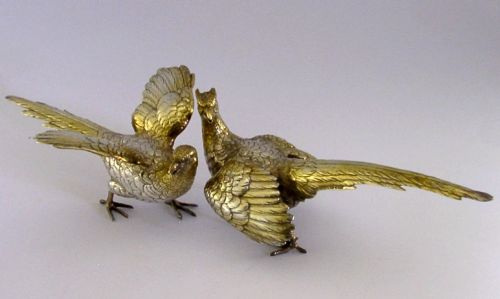
Common subjects include human figures like dancers, nudes, and historical or mythological characters alongside animal studies of elephants, birds, and cockerels. Each piece reflects the aesthetic priorities of its era, combining utility with sculptural presence.
Assessing Quality and Execution
Quality rests in the precision of the casting and the depth of the carving, distinguishing finely rendered anatomical details and crisp surface ornament from softer, summary work. The handling of the material, whether the crispness of a bronze feather or the smooth grain of a hardwood torso, marks the superior example.
Signed works and pieces associated with known potteries or foundries carry greater weight, reflecting the standards of specific workshops. The integrity of the materials, such as solid marble bases and genuine gilt bronze rather than inferior substitutes, governs the distinction between ordinary and exceptional items.
Decorative Table Sculpture Retail Price Guide 2026
Typical asking prices for decorative table sculpture among the pieces listed under this phrase on Sellingantiques today, from the lower quarter to the upper quarter. They describe what is for sale here now, not the wider market.
An eighteenth-century dining room might unexpectedly feature a carved mango wood gong shaped like a dinner helper.
Emile Picault·Royal Dux·Japy Freres·Carl Thieme Dresden·Henri Honore Ple
The Decorative Table Sculpture Glossary
- Spelter
- A zinc alloy commonly used as a substitute for bronze in decorative figures and cast objects. It takes patination and cold painting well.
- Cold painted
- A technique where paint is applied to a metal object without heat firing. This finish is characteristic of many Austrian and continental metal figures.
- Gilt bronze
- Bronze that has been treated with a fine layer of gold or gold leaf. Also known as ormolu when applied to decorative furnishings and clocks.
- Torchere
- A tall stand or pedestal designed to support a lamp, urn, or decorative sculpture. These wooden or faux marble supports elevate table ornaments.
- Centrepiece
- A large ornamental object placed in the middle of a table. In porcelain and bronze, these figures often depicted classical or figurative scenes.
Decorative Table Sculpture: Frequently Asked Questions
What is a decorative table sculpture?
A decorative table sculpture is a freestanding object designed to sit on furniture, combining artistic form with decorative or functional purposes.
These pieces include figural lamps, candlesticks, animal models, and centrepieces made from bronze, porcelain, and wood.
How do I identify an Art Deco sculpture?
Art Deco pieces often feature stylised human figures, dancers, or nudes paired with geometric marble or granite bases.
The materials frequently include brass, mottled opaline glass, and gilt bronze reflecting the aesthetic of the nineteen-thirties.
Were these sculptures used as lamps?
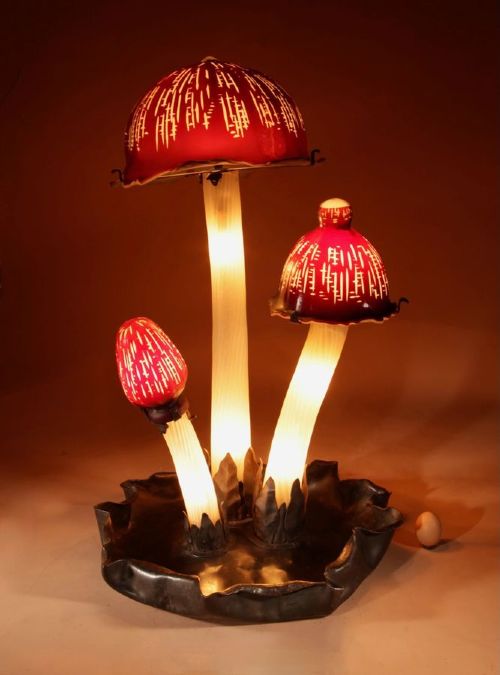
Many decorative figures double as functional lighting, incorporating lamp fittings around bronze ladies, cherubs, or glass mushrooms.
These combination items provided domestic illumination while serving as sculptural ornaments on tables and nightstands.
What materials were commonly used?
Makers relied heavily on cast metals like bronze, gilt bronze, and spelter, alongside carved hardwoods and porcelain.
Surfaces were frequently enhanced with cold painting, gold leaf, ebonising, or mounted on marble and granite bases.