





Decorative Stone Sculpture
These decorative stone sculpture pieces bring classical form and natural material into any interior or garden.
Decorative Stone Sculpture
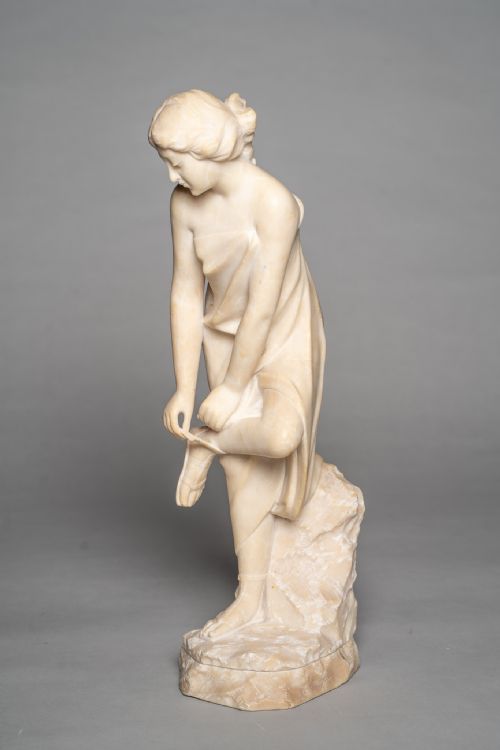
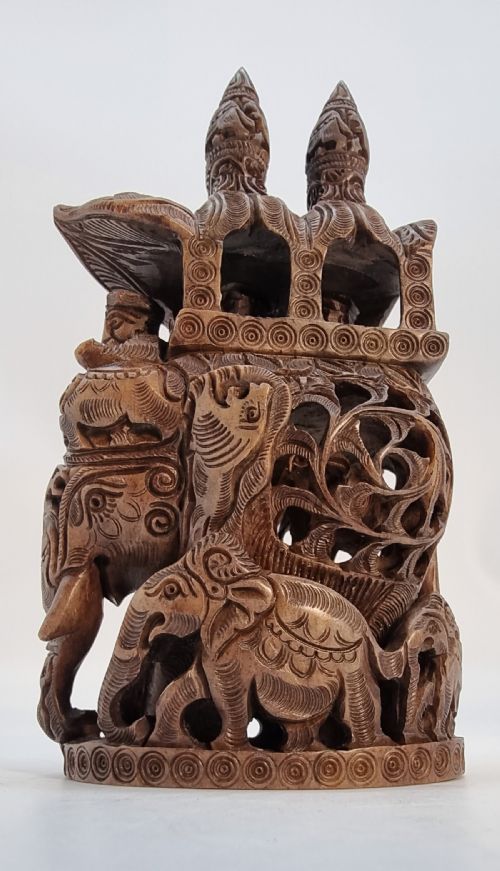
When you search for decorative stone sculpture, you encounter a diverse range of items spanning the nineteenth and twentieth centuries. These works include carved marble busts, hardstone animal figures, and architectural elements originating from British, European, and Asian workshops.
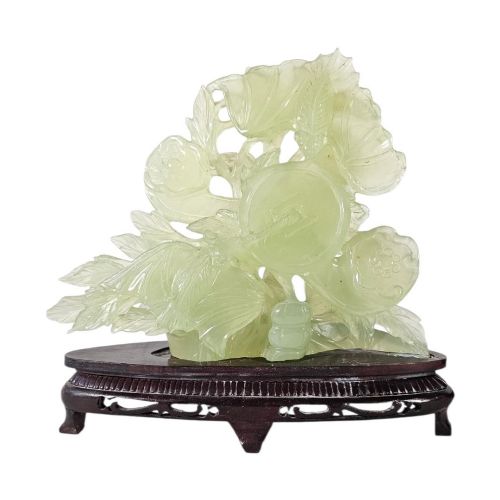
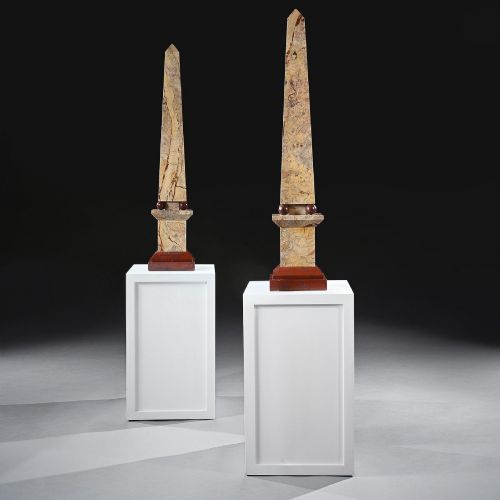
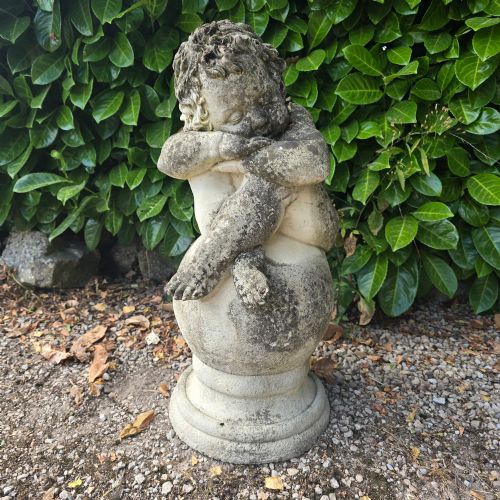
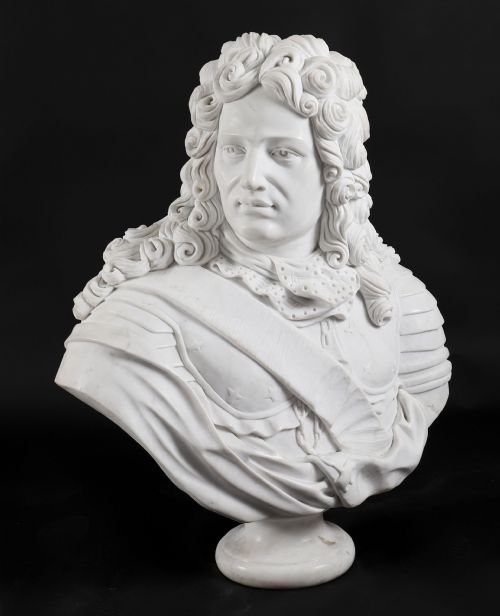
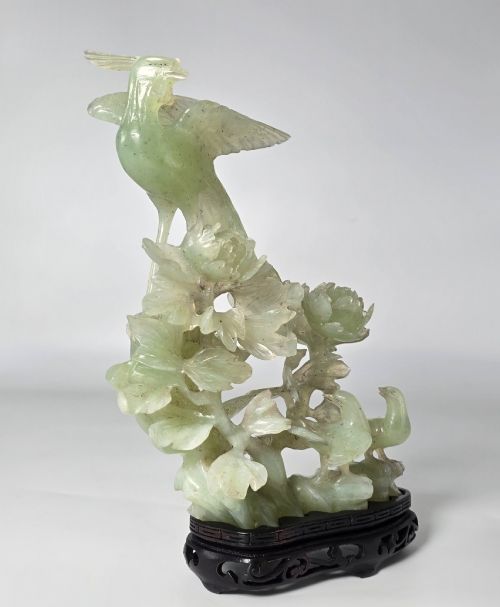
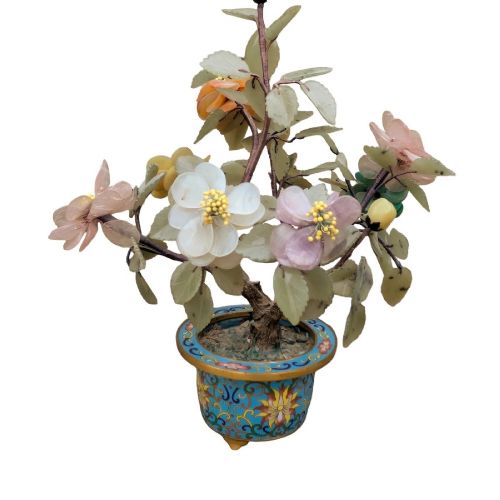
The pieces you are most likely to meet on this page include carved alabaster female busts, Italian marble obelisks, and Chinese jade and hardstone flower jardiunieres. Garden pieces such as reconstituted stone lions and weathered cherubs also appear regularly alongside interior decorative objects.
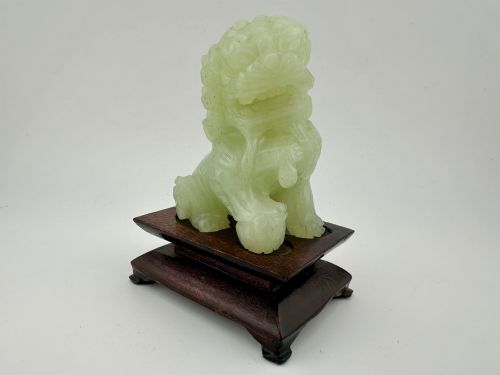
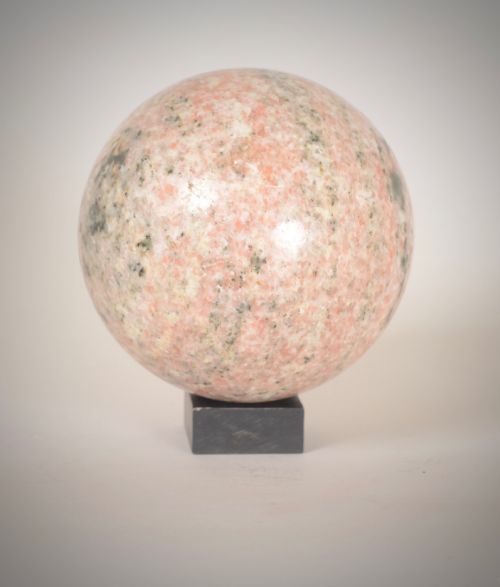
Makers and subjects range from Grand Tour classical studies of noblemen and horses to Orientalist figures and Republic Period Chinese birds and guardian lions. Materials shift from dense granites and fossil clusters to soft soapstone and translucent alabaster.
How They Were Made
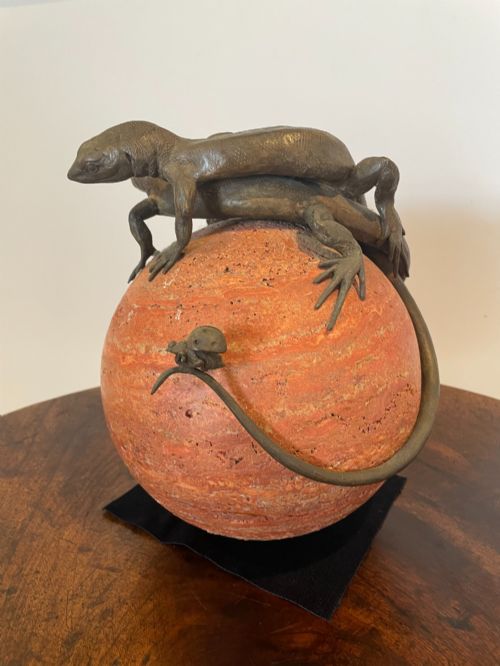
Some items incorporate mixed media, such as bronze elements paired with lizards or cloisonne planters holding hardstone flora. Reconstituted stone pieces instead utilise aggregate and binders pressed into moulds to replicate traditional carved stonework for architectural and garden settings.
Decorative Stone Sculpture Retail Price Guide 2026
Typical asking prices for decorative stone sculpture among the pieces listed under this phrase on Sellingantiques today, from the lower quarter to the upper quarter. They describe what is for sale here now, not the wider market.
What Varies in Quality
Quality rests upon the natural figuring of the material and the anatomical precision of the carving. Master carvers exploited the natural veining of Portasanta, Rosso Antico, and Verde Antico marbles to enhance the dramatic presence of obelisks, columns, and portrait busts.
The depth of undercut work and the naturalism in drapery, hair, and expression separate standard production pieces from exceptional signed works. Surface weathering on outdoor stone also alters visual appeal, where gentle patination adds character without obscuring the original sculptural form.
John Wenlock Rollins·Auguste Moreau
The Decorative Stone Sculpture Glossary
- Alabaster
- A fine-grained mineral, often white or lightly tinted, used extensively for soft-textured portrait busts and decorative carvings.
- Hardstone
- A collective term for semi-precious stones such as jade, agate, and soapstone carved into intricate small-scale sculptures and botanical studies.
- Obelisk
- A tall, four-sided, narrow tapering monument that ends in a pyramid-like shape at the top, frequently executed in specimen marbles.
- Putto
- A figure of a small infant, commonly winged, depicted in garden statuary and architectural corbels across the nineteenth century.
- Verde Antico
- A dark green serpentine marble with white veining, favoured by Italian workshops for columns, pedestals, and decorative objects.
Decorative Stone Sculpture: Frequently Asked Questions
How do I clean carved alabaster sculpture?
Dust alabaster gently with a dry, soft brush rather than water, because moisture damages the soluble surface.
Keep these pieces away from humid environments and direct sunlight to preserve the translucent quality of the stone.
Can marble garden statues stay outside in winter?
Most dense marbles and reconstituted stone items tolerate outdoor placement, but freezing water trapped in crevices causes cracking.
Cover vulnerable sculptures or move them indoors during severe frost to protect the carved details.
How do I identify Grand Tour marble pieces?
Grand Tour items typically replicate classical architecture or ancient sculpture, using specimen marbles like giallo antico and rosso antico.
These pieces were brought back by travellers from Italy during the nineteenth and early twentieth centuries.
What is the difference between jade and hardstone?
Jade is a specific mineral grouping known for toughness, whereas hardstone is a broader category including soapstone and other decorative minerals.
Both materials were utilised for Chinese carvings and decorative flower jardiunieres during the early twentieth century.