



Decorative Snuff Box
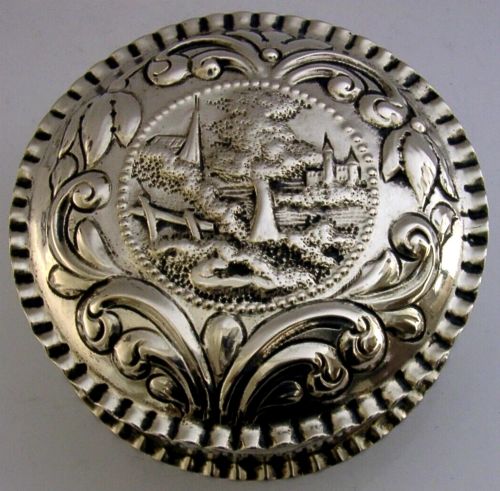
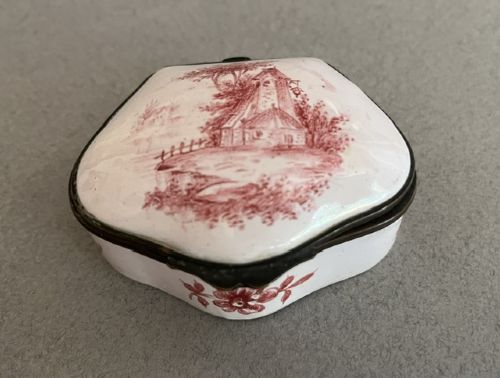
A decorative snuff box is a small pocket receptacle designed for tobacco, and you will find Georgian enamel pieces alongside heavy silver table containers.
Decorative Snuff Box
When you search for a decorative snuff box, you encounter a variety of pocket and table containers spanning the eighteenth, nineteenth, and early twentieth centuries. These pieces encompass utilitarian pocket items alongside larger desk and table boxes.
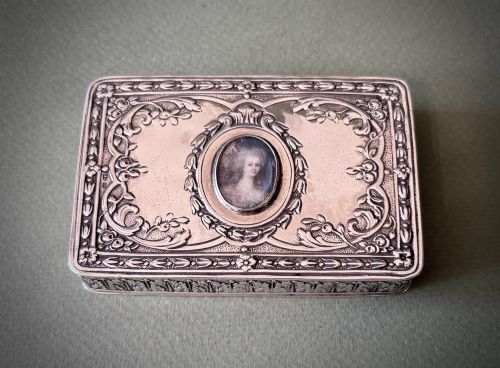
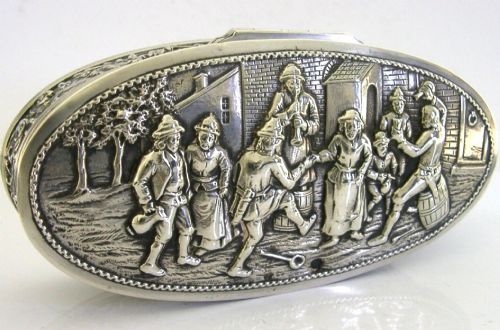
You are most likely to meet eighteenth-century enamel examples from Bilston and South Staffordshire, or nineteenth-century continental silver and gilt metal items. Forms range from small rectangular patch boxes to large solid silver castle top table boxes.
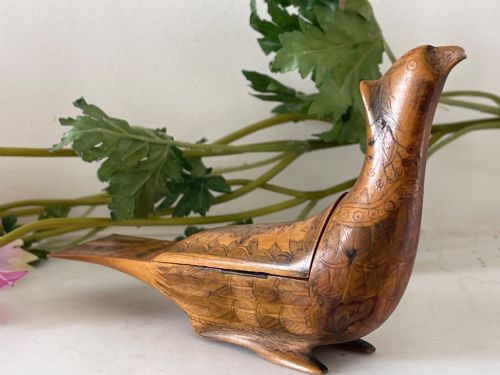
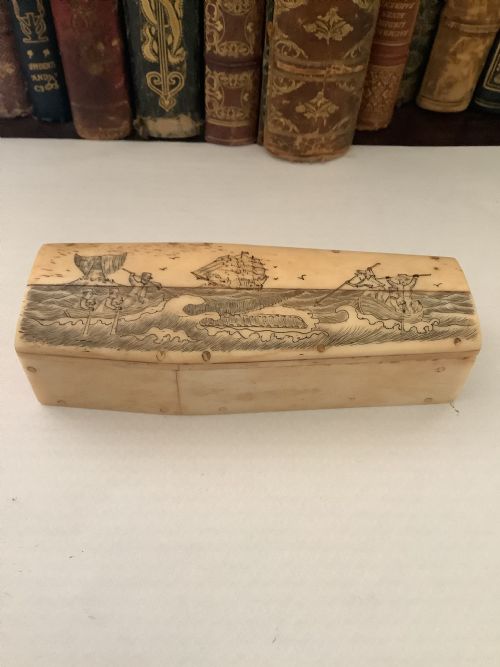
Materials extend beyond metal to include carved bone, horn, wood, porcelain, and pressed horn. Styles draw upon Georgian, Victorian, Rococo Revival, and folk art traditions.
How they were made
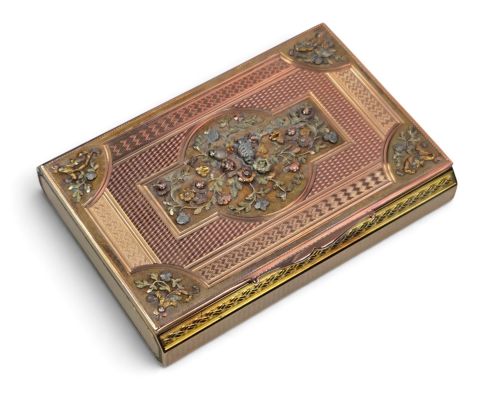
Makers utilised metals such as copper, brass, and solid silver, often applying a gilt finish or creating vari-color gold work. Enamel was frequently fused to copper bases, particularly in Staffordshire and Bilston workshops.
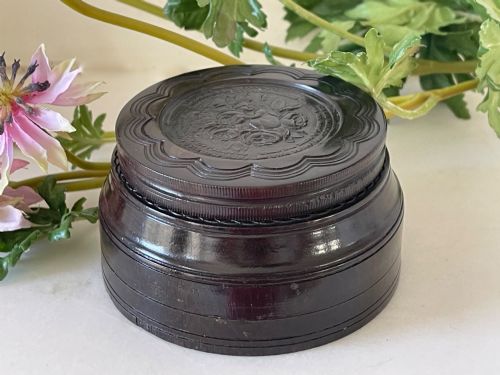
Organic materials like bone, hard wood, horn, and vulcanite were shaped through carving and turning. Engine turning created intricate geometric patterns on metal surfaces, while porcelain boxes featured hand painting and raised gold detailing.
Decorative Snuff Box Retail Price Guide 2026
Typical asking prices for decorative snuff box among the pieces listed under this phrase on Sellingantiques today, from the lower quarter to the upper quarter. They describe what is for sale here now, not the wider market.
Listings feature eighteenth-century Staffordshire enamels alongside nineteenth-century French silver-gilt and Dutch silver table boxes.
What varies in quality
The standard of execution in enamel painting and metal chasing distinguishes finer examples from simpler workshops. Crispness of detail in cast silver motifs and the precision of engine turning indicate the skill of the original maker.
Preservation of the original surface, whether the rich deep patina on a carved wooden box or the intact glaze of a Beijing or Bilston enamel, governs the standing of the piece. Superior construction ensures hinges and lids align properly.
Louis-François Tronquoy·Khlebnikov
The Decorative Snuff Box Glossary
- Bilston enamel
- A type of enamel on copper produced in the Staffordshire town of Bilston during the eighteenth century. These pieces often served as patch or snuff boxes with hinged lids.
- Castle top
- A descriptive term for nineteenth-century boxes featuring a detailed architectural relief of a famous building or castle on the lid. They are typically executed in heavy solid silver.
- Engine turning
- A mechanical technique utilised to engrave precise geometric patterns onto metal surfaces. It provides both visual texture and a secure grip.
- Meno mori
- An artistic symbolic reminder of the inevitability of death, frequently carved from bone or ivory in small objects. Such pieces reflect contemplation and mortality.
- Patch box
- A small container originally used to hold cosmetic fabric patches worn on the face. They share construction methods and periods with enamel snuff boxes.
- Tole ware
- Lacquered or enamelled metalware, usually iron or steel, decorated with hand painting. It appears in utilitarian forms like tobacco and snuff containers.
Decorative Snuff Box: Frequently Asked Questions
What is a decorative snuff box?
A decorative snuff box is a pocket or table container designed to hold powdered tobacco, known as snuff, which gained popularity during the seventeenth and eighteenth centuries.
Craftsmen produced these items in materials ranging from solid silver and enamel to carved horn and porcelain, often incorporating elaborate decorative motifs.
How were snuff boxes used?
Owners carried pocket-sized versions in waistcoats or jackets for social sharing of tobacco. Taking a pinch of snuff was a ritualized gesture in polite society.
Larger table boxes remained in rooms for general access by guests. Many double as trinket or patch containers today.
How do I care for antique enamel boxes?
Enamel surfaces require gentle cleaning with a soft, dry cloth to prevent moisture damage to the metal base beneath. Avoid chemical dips or abrasive polishes.
Store them away from direct sunlight and extreme temperature shifts to protect the delicate fused glass glaze.
How do I distinguish eighteenth and nineteenth century boxes?
Eighteenth-century examples frequently feature Bilston or South Staffordshire enamel work on copper, or delicate porcelain with raised gold detailing. Rococo motifs are common.
Nineteenth-century items often display heavier silver construction, engine turning, or regional styles such as Dutch tobacco boxes and French trinket cases.