



Decorative Silver Caddy
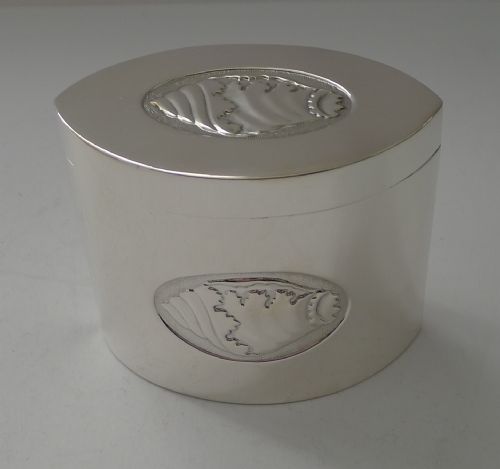
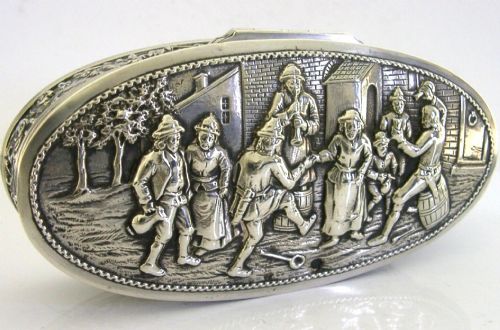
These decorative silver caddy pieces are refined small containers for dry leaf tea, built to bring elegance and order to a formal nineteenth or early twentieth-century interior.
Decorative Silver Caddy
When you search for a decorative silver caddy, you are looking at small storage vessels primarily designed to house and preserve dry tea leaves in the parlour or dining room. The examples found here span several distinct eras, from mid-eighteenth-century tortoiseshell pieces to substantial Edwardian solid silver boxes.
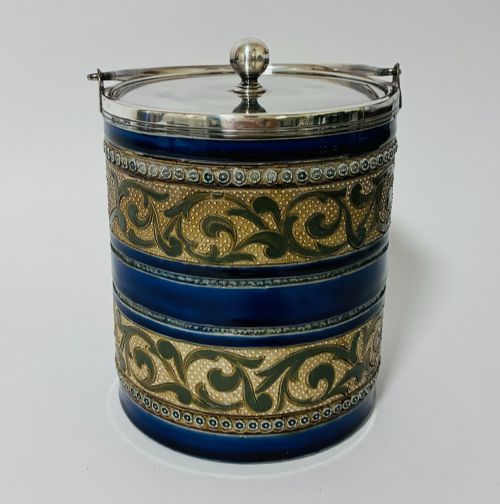
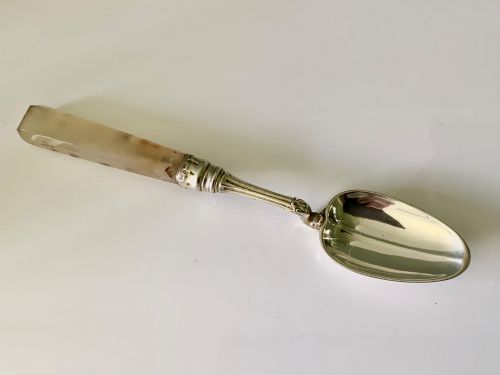
The dominant forms you will meet on this page are dedicated tea caddies and sugar boxes, alongside related tea-adjacent vessels such as biscuit barrels and caddy spoons. Origin origins range from English workshops to continental European makers, Ottoman centres, and Indian provinces.
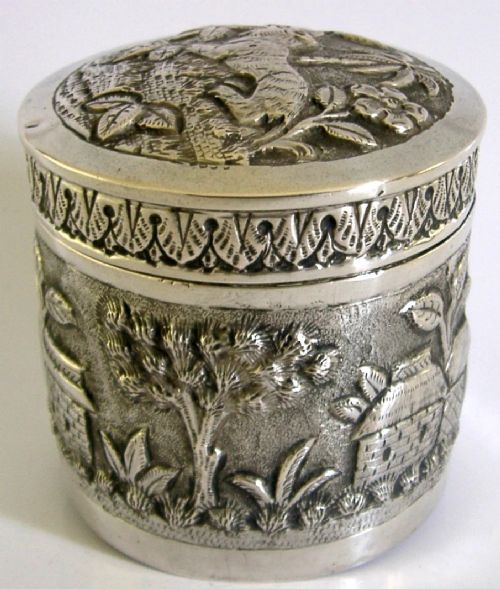
Many items display traditional regional aesthetics, including Dutch traditional motifs, French Empire style, Victorian Arts and Crafts, and Anglo-Indian ornamentation. The materials extend beyond plain metal into combinations involving wood, tortoiseshell, and silver gilt.
How they were made
The objects recorded in these listings rely primarily on solid silver, sterling silver, and silver plate over a base metal, worked through traditional smithing and casting techniques. Artisans shaped these metals into robust containers with hinged lids, sometimes incorporating intricate hand-hammered relief work or engraved scenes.
Organic and composite materials play a significant structural role in several surviving items, notably wood and tortoiseshell. Skilled craftsmen combined these delicate natural shells and polished timbers with metal mounts, hinges, and protective feet to create durable luxury boxes.
Listings feature items spanning the eighteenth, nineteenth, and early twentieth centuries, incorporating materials such as tortoiseshell, wood, and silver gilt.
What varies in quality
Quality in these containers is defined by the weight of the metal, the crispness of chased or embossed surface decoration, and the integrity of internal compartments. Superior pieces display substantial gauge silver with well-defined detailing, whereas simpler versions rely on thin silver plating over base metal or lighter sheet construction.
The integration of mixed media also separates standard examples from exceptional ones, particularly where fragile materials like tortoiseshell or inlaid wood meet secure metal joinery. The precision of the maker's handwork, visible in engraved motifs and functional hinges, dictates the standing of each piece.
Goldsmiths and Silversmiths Co.·Khlebnikov
The Decorative Silver Caddy Glossary
- Solid Silver
- Metal alloy containing a high proportion of pure silver throughout its entire mass, rather than merely featuring a surface coating. This designation ensures durability and intrinsic material value.
- Silver Gilt
- Silver object coated with a thin layer of gold applied through electrochemical or fire-gilding methods. This technique provides a rich golden interior or surface finish.
- Tortoiseshell
- Organic material derived from the shell of certain turtle species, prized for its mottled amber and brown translucency. It was frequently used to veneer luxury tea containers during the eighteenth and nineteenth centuries.
- Bombe
- Curved, swelling contour typical of continental silver boxes and sugar caddies from the Victorian era. This voluptuous profile adds visual depth and catches light across embossed surfaces.
- Caddy Spoon
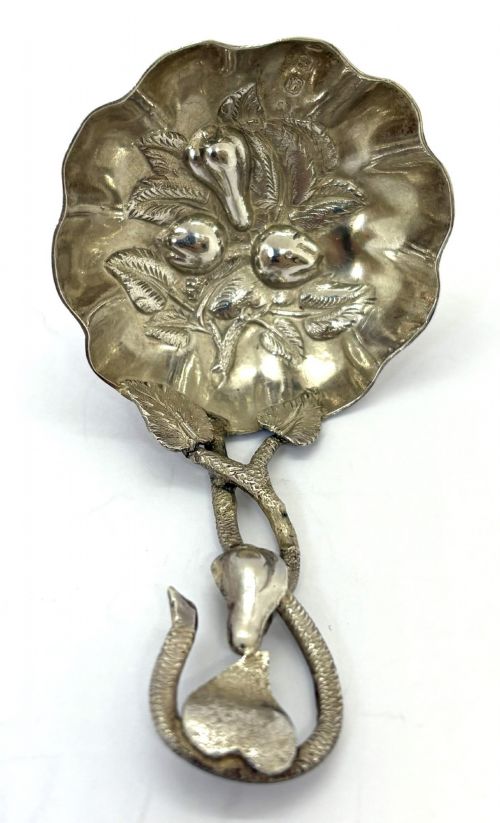
- Small specialised spoon designed specifically for measuring loose tea leaves from a caddy into a teapot. These short-handled implements often feature decorative bowls shaped like leaves or shells.
Decorative Silver Caddy: Frequently Asked Questions
What is a decorative silver caddy?
A decorative silver caddy is a small, ornate container originally manufactured to store valuable dry tea leaves securely away from moisture and light. These vessels formed an essential part of formal tea service in affluent households.
Today, collectors appreciate them for their intricate metalwork, historical craftsmanship, and the variety of regional styles they represent, ranging from plain Georgian boxes to heavily embossed Edwardian examples.
How were silver tea caddies used?
During the eighteenth and nineteenth centuries, tea was an expensive commodity kept under lock and key by the master or mistress of the house. The caddy served as a secure, airtight repository dispensed only for special guests or daily family tea.
Many caddies featured internal compartments or separate canisters to keep different tea varieties, such as green and black leaves, separated within a single locked housing.
How do I care for antique silver caddies?
Silver caddies require gentle handling and minimal cleaning to preserve their historic patina and any delicate surface chasing. Use a soft, non-abrasive cloth designed for silver, and avoid harsh commercial dips that can strip away antiqued details or damage internal linings.
Keep wooden or tortoiseshell elements away from direct sunlight and extreme humidity to prevent warping or cracking of the organic panels.
How can I tell the period of a silver caddy?
Dating relies heavily on style markers, construction methods, and official hallmarks stamped directly onto the metal surface by assay offices. Georgian pieces often show simpler geometric forms or bright-cut engraving, while Victorian and Edwardian examples frequently exhibit heavier cast mounts and eclectic revival styles.
Examining the hinges, interior linings, and locking mechanisms also provides strong clues regarding the manufacturing decade and technological capabilities of the workshop.