




Decorative Picture Stand
These decorative picture stand pieces range from silver-mounted tortoiseshell frames to carved oak display easels, offering a refined way to display photographs and screens.
Decorative Picture Stand
A decorative picture stand covers a varied group of frames, table screens, and display easels designed to hold photographs or artwork. When searching for a decorative picture stand, buyers encounter items produced across the Victorian and Edwardian eras, spanning diverse international workshops.
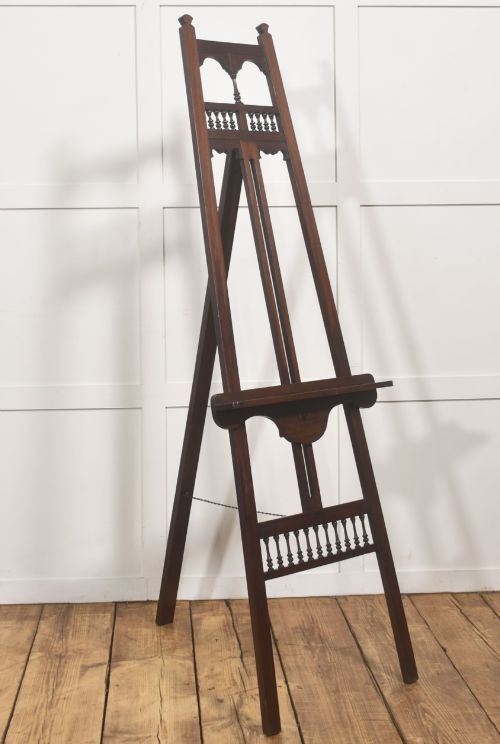
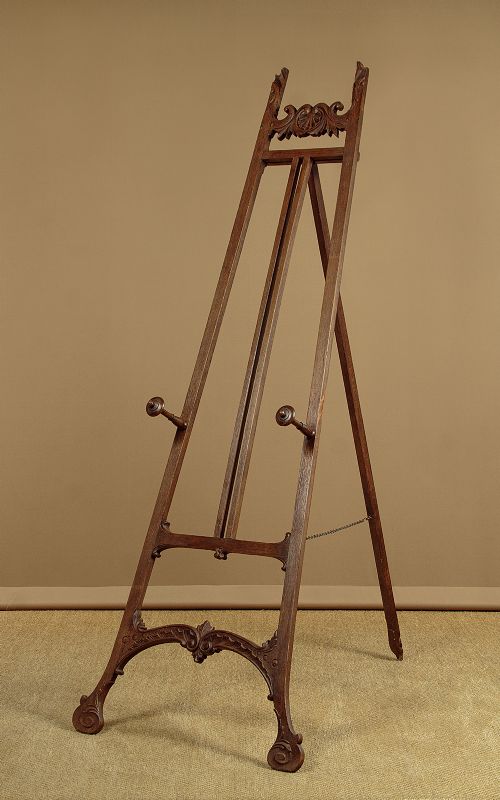
The selections on this page heavily feature Victorian and Edwardian examples alongside pieces from the late nineteenth and early twentieth centuries. Common forms include brass photo frames, gilt bronze mounts, and carved wooden display easels.
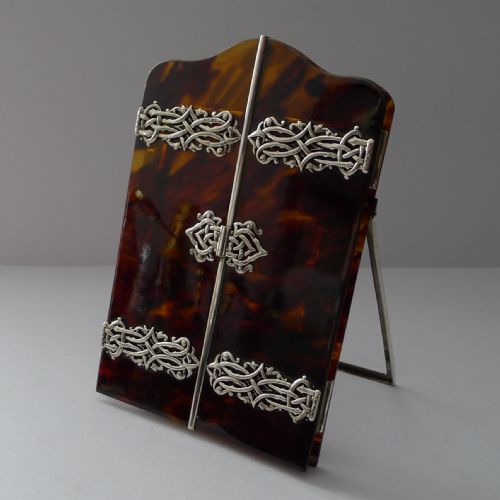
Origin and period styles dictate the character of each piece, drawing on French Empire, Louis XVI Revival, and Art Nouveau design influences. Certain examples incorporate functional elements such as two-way folding designs or glazed panels.
How they were made
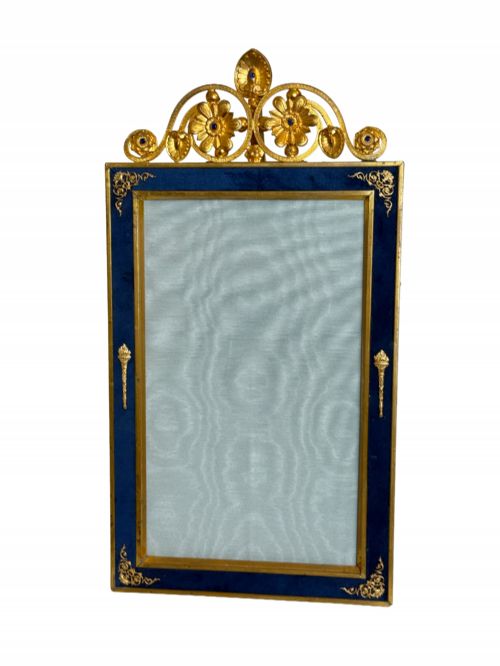
Maker construction methods rely upon traditional metalworking, joinery, and casting techniques appropriate to the era. Gilt bronze, ormolu, and sterling silver provide the metallic structure for many frames, frequently paired with glass viewing panels.
Organic materials such as oak, walnut, tortoiseshell, and ivory inlay form the body of wooden easels and screen supports. Silk and needlework textiles appear within framed table screens, held by carved wooden or metal mounts.
Decorative Picture Stand Retail Price Guide 2026
Typical asking prices for decorative picture stand among the pieces listed under this phrase on Sellingantiques today, from the lower quarter to the upper quarter. They describe what is for sale here now, not the wider market.
Object types seen on this page include picture frames, display easels, table screens, and photo frames originating from British and European makers.
What varies in quality
Quality differences emerge through the intricacy of metal chasing, wood carving, and material combination. Pieces utilising sterling silver, tortoiseshell, or paste stones display higher artisanal effort than standard brass iterations.
The precision of material inlay, such as ivory set into ebony veneered walnut, distinguishes finer workshop output. Structural integrity in folding easels and the crispness of cast ormolu details further separate standard productions from superior works.
The Decorative Picture Stand Glossary
- Ormolu
- Gilded bronze, typically produced using a mercury amalgamation process during the eighteenth and nineteenth centuries. This technique gives metal mounts a distinctive golden sheen.
- Easels
- Standing frameworks used to support pictures, frames, or panels for display. Portable table versions gained popularity during the Victorian period.
- Tortoiseshell
- The mottled brown and amber shell of certain turtle species, utilised as a decorative veneer on luxury boxes and frames. It was frequently mounted beneath sterling silver overlay.
- Table Screen
- A small decorative panel mounted on a stand, often featuring silk embroidery or needlework. These were placed on tables or desks to block heat from fires or simply for decoration.
Decorative Picture Stand: Frequently Asked Questions
What is a decorative picture stand?
A decorative picture stand is a catch-all term for frames, easels, and table screens intended for displaying photographs or artwork. They serve both a practical holding function and an ornamental purpose.
These pieces typically date from the nineteenth and early twentieth centuries, reflecting the aesthetic preferences of the Victorian and Edwardian periods through materials like silver, bronze, and carved wood.
How do I date these pieces?
Dating relies on stylistic markers, materials, and occasional hallmarks found on silver components. Art Nouveau curves differ distinctly from the earlier formal symmetry of French Empire designs.
Examining construction methods, such as wood types and hinge styles, also assists in placing a piece within the nineteenth or early twentieth century.
Where were these items made?
Production locations span Britain, France, Italy, and China, depending on the specific style and workshop traditions of the item. French makers often utilised gilt bronze and ormolu.
English pieces frequently incorporated sterling silver and carved oak, while Chinese examples utilised hand-carved stands and silk panels.
How should I clean them?
Cleaning requires a careful approach suited to delicate materials like silk, tortoiseshell, and exposed metal plating. Dusting with a dry, soft cloth is generally recommended to preserve fragile surfaces.
Harsh chemical polishes should be avoided, particularly near antique textiles or organic veneers like ivory and tortoiseshell.