

Decorative Overmantel
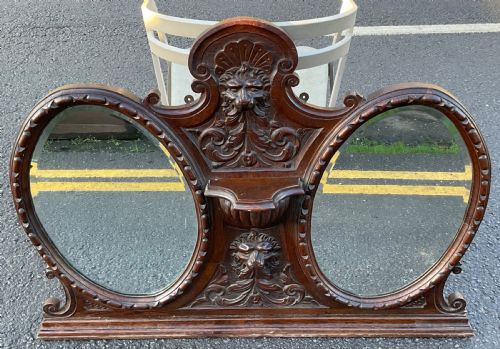
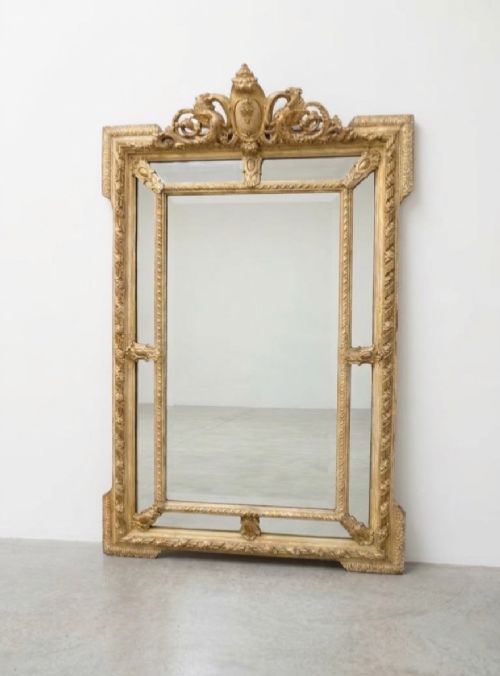
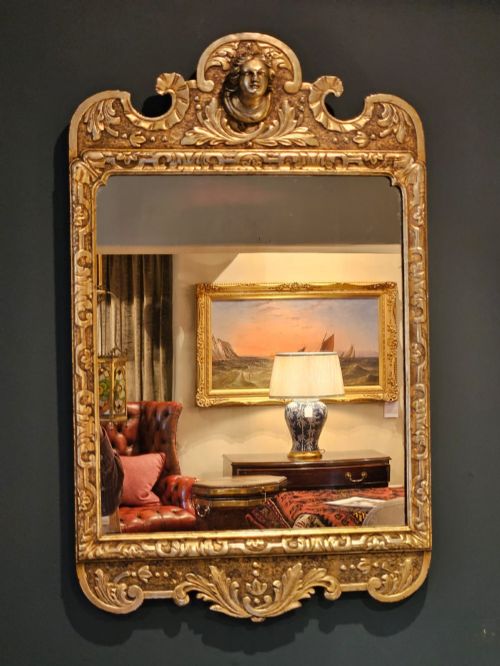
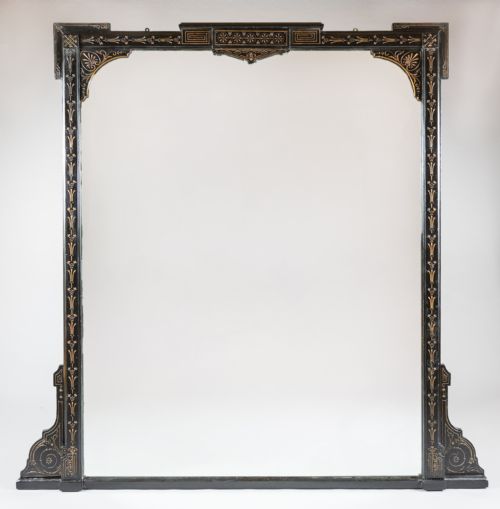
These decorative overmantels combine grand proportions and ornate framing to anchor a fireplace or room with period presence.
Decorative Overmantel
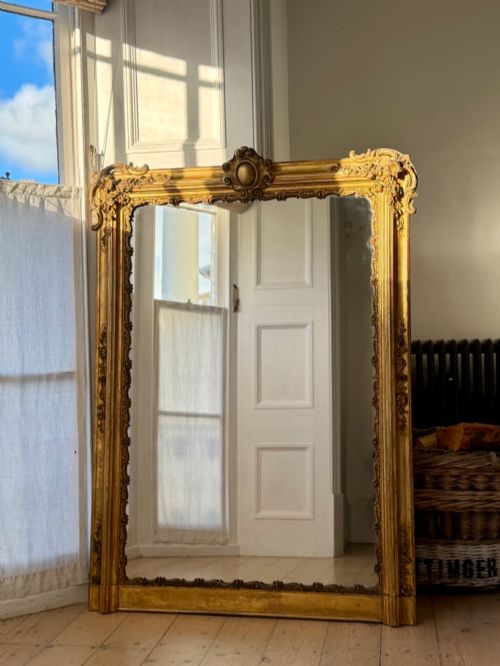
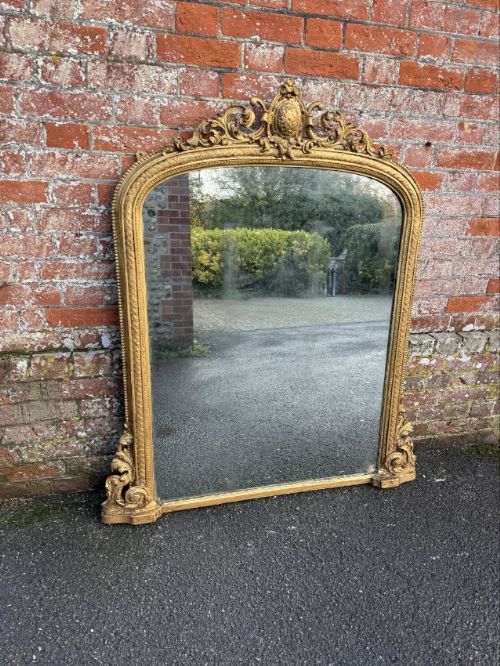
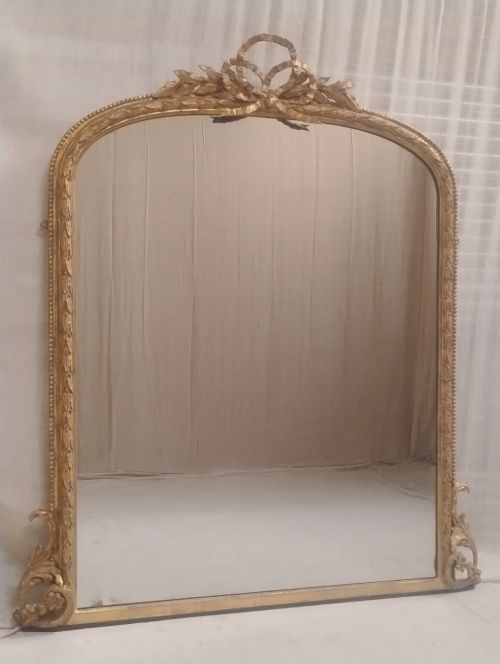
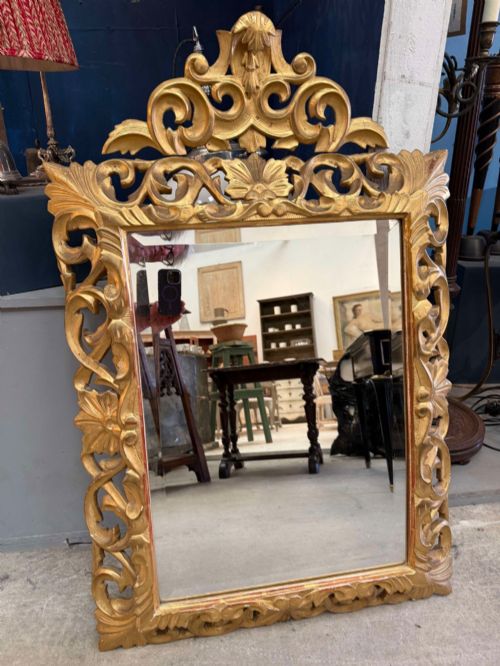
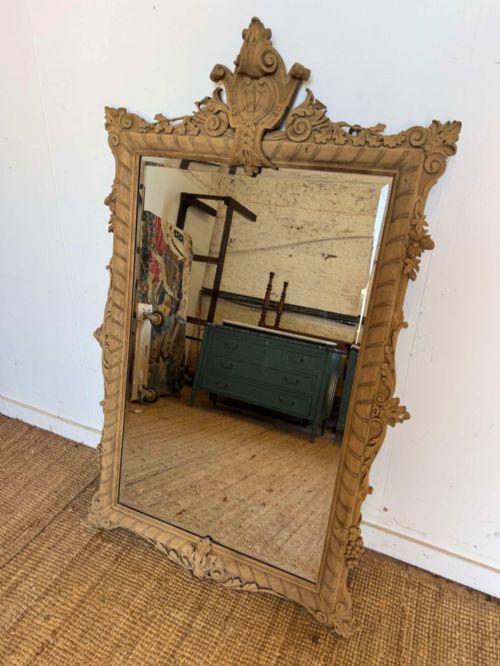
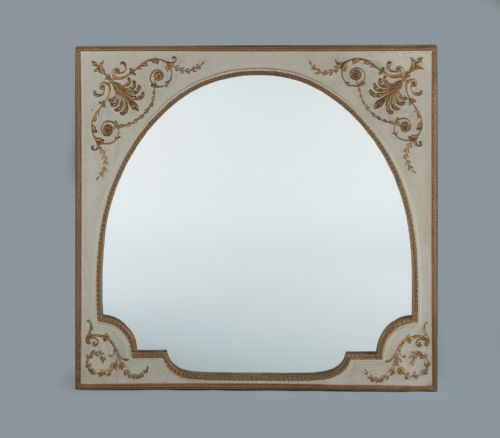
When you search for a decorative overmantel, you encounter substantial looking glasses designed specifically to hang above fireplace mantels. The selection on this page draws heavily from the nineteenth century, including Victorian examples alongside French and Italian imports.
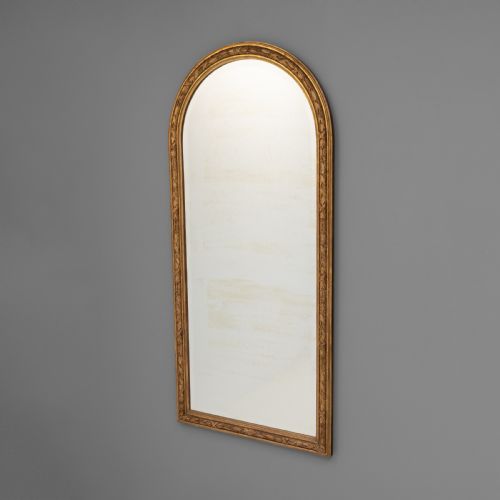
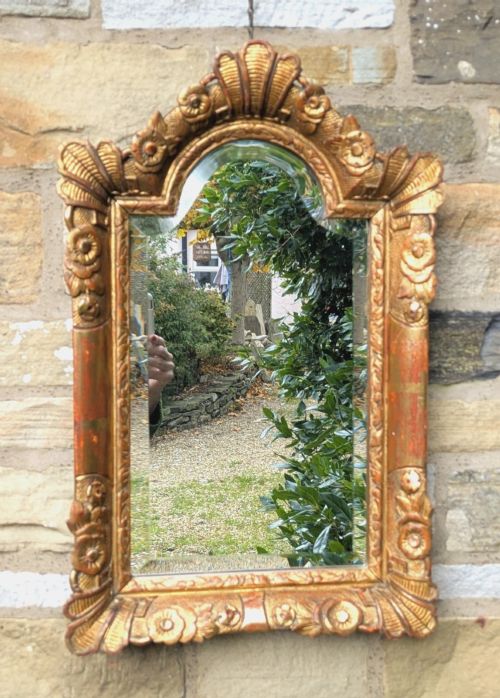
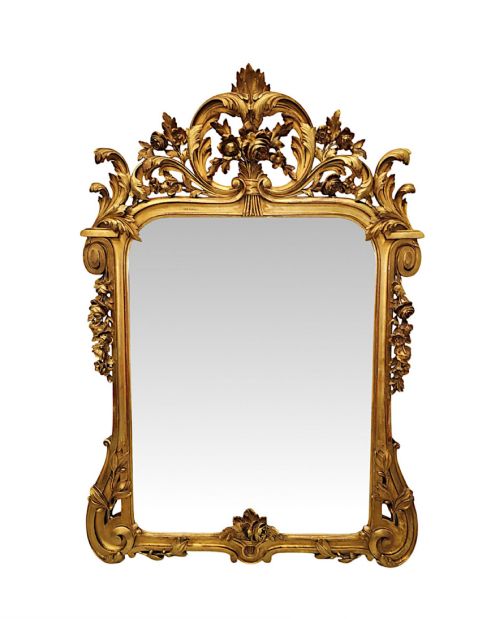
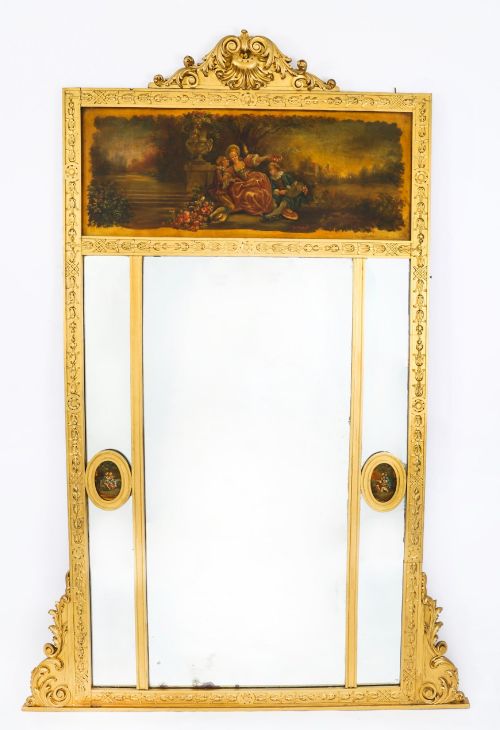
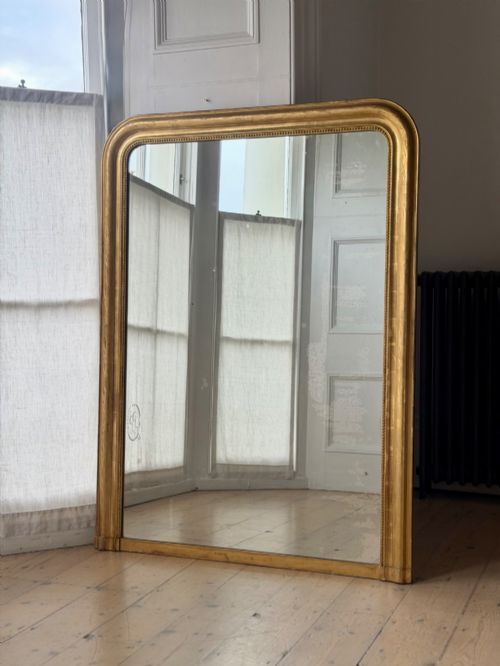
Forms span large arched frames, rectangular wall mirrors, and pier glasses, frequently finished in giltwood or carved oak. These pieces range from restrained Regency designs to exuberant Rococo Revival and Louis style pieces with deep mouldings.
How They Were Made
Maker construction relies on carved wood and gesso frameworks, heavily built from oak, mahogany, walnut, or deal before receiving layers of gold leaf or paint. Giltwood and gesso elements permit intricate surface detail, particularly around floral crests, rope twists, and columns.
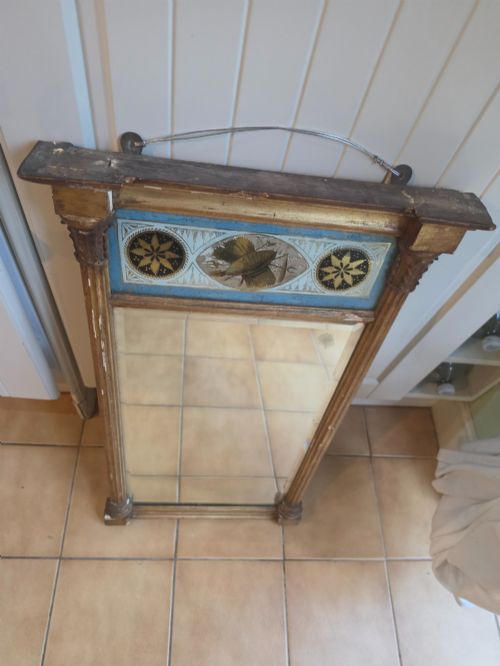
Mirrors utilise historic silvering techniques, including mercury glass and early mirror glass that often displays light foxing. Frames incorporate joinery suited to heavy proportions, sometimes paired with parcel gilt or ebonised highlights.
Decorative Overmantel Retail Price Guide 2026
Typical asking prices for decorative overmantel among the pieces listed under this phrase on Sellingantiques today, from the lower quarter to the upper quarter. They describe what is for sale here now, not the wider market.
Listings span multiple eras from the 18th Century through the Victorian period, showcasing giltwood, carved oak, and painted finishes.
What Varies in Quality
Quality rests in the depth and crispness of the carved ornament, separating sharply moulded gesso and hand-carved wood from softer, simpler casts. Superior examples maintain balanced proportions across large dimensions, keeping central cartouches and framing elements harmonious.
The integrity of the original gilt finish and the character of the glass plates heavily influence value. Retaining genuine period mercury glass or lightly foxed historic mirror plates distinguishes an untouched piece from later replacements.
The Decorative Overmantel Glossary
- Overmantel
- A large mirror or panel designed to be hung specifically on the wall above a fireplace mantelpiece. These frames often match the horizontal span of the hearth below them.
- Gesso
- A plaster-like mixture applied to wood frames to provide a smooth base for subsequent gilding or painting. Deeply carved details often rely on thick gesso builds.
- Mercury glass
- A silvered glass type produced by pouring a mercury and tin amalgam behind double-walled blown glass. It creates a warm, mottled reflection characteristic of older mirrors.
- Verre eglomise
- A historic technique of cold painting and gilding on the reverse side of glass panels. It appears on select antique pier glasses and mirror borders.
- Cartouche
- An ornamental framed panel resembling a rolled-up scroll or shield, often placed centrally at the top of a mirror frame.
- Parcel gilt
- A decorative finish where only specific portions of a wood or painted surface are gilded with gold leaf. This highlights particular carvings against a contrasting dark or painted background.
Decorative Overmantel: Frequently Asked Questions
How do I hang a heavy overmantel mirror?
These large frames carry substantial weight due to their dense wood and glass construction, requiring secure mounting directly into wall studs or solid masonry. Professional mirror fixings or heavy-duty french cleats distribute the load safely across the wall.
Because overmantels frequently sit above a fireplace, ensure the hanging height clears the mantel shelf while remaining visually anchored to the hearth below.
What is the difference between an overmantel and a pier glass?
An overmantel mirror is specifically proportioned to sit horizontally across the wider expanse above a fireplace mantel. They tend to be broad and substantial to fill the chimney breast.
By contrast, a pier glass is traditionally taller and narrower, designed to fit on the narrow wall space between two windows.
Can I replace the antique mirror glass?
Replacing original glass is generally discouraged by collectors because historic mercury glass and foxed plates contribute significantly to the piece's authentic period character. The slight imperfections and dimming reflect true age.
If glass replacement becomes necessary due to breakage, look for salvaged antique glass plates rather than modern mirror panels to maintain the historic aesthetic.