



Decorative Oval Mirror
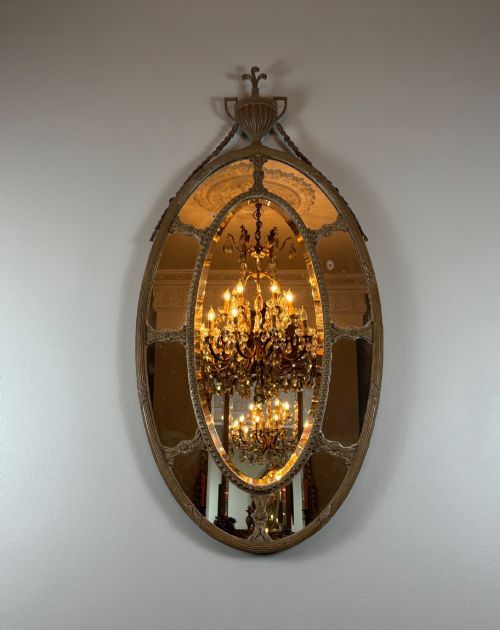
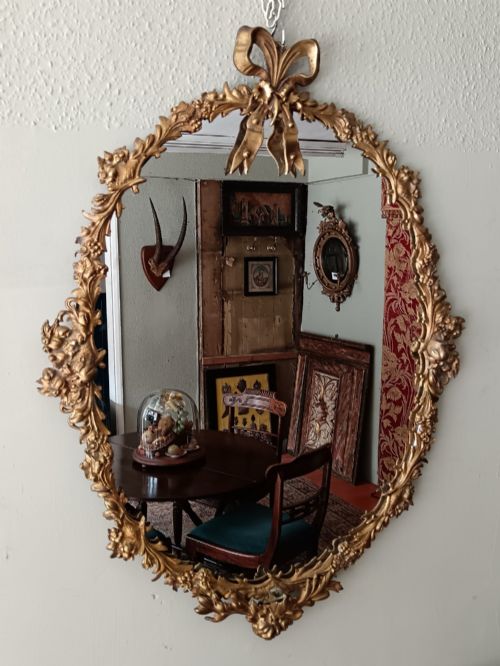
A decorative oval mirror brings curved lines and reflective light to a room, drawing the eye across periods from the nineteenth century to the Edwardian era.
Decorative Oval Mirror
A decorative oval mirror serves as a focal point on a wall, offering a softer silhouette than rectangular frames. Buyers search for these pieces to introduce architectural interest and bounce natural light into reception rooms and hallways.
The selection ranges from nineteenth century giltwood and gesso designs to early twentieth century brass and painted examples. Victorian and Edwardian pieces dominate the offerings, often reflecting French Chateau, Louis XVI Revival, and Arts and Crafts styles.
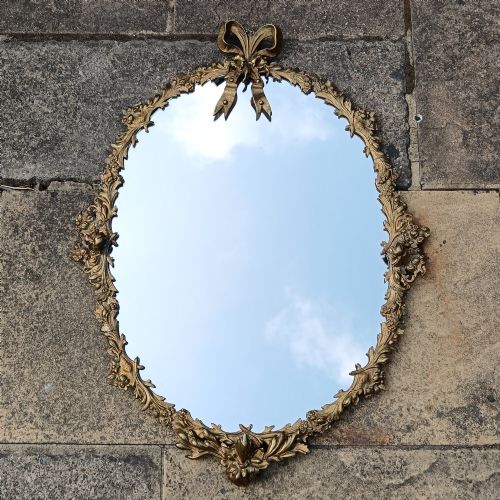
Formats include wall mirrors, overmantel mirrors, and smaller dressing table pieces. Many incorporate classical motifs such as urns, swags, and ribbon bows, while others showcase carved timber, porcelain, or hammered metal.
Materials and construction methods
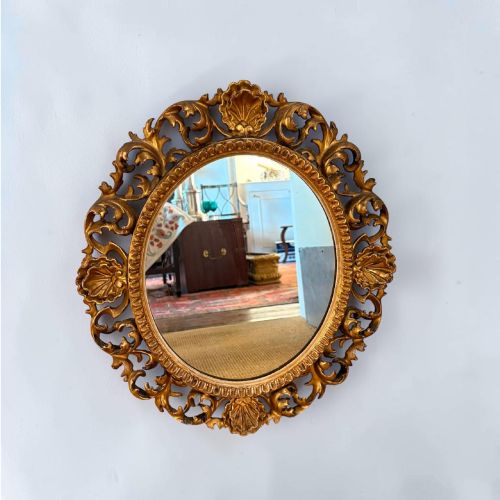
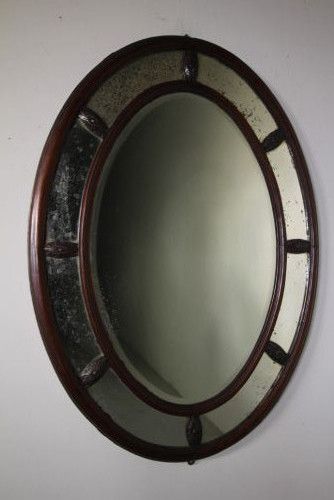
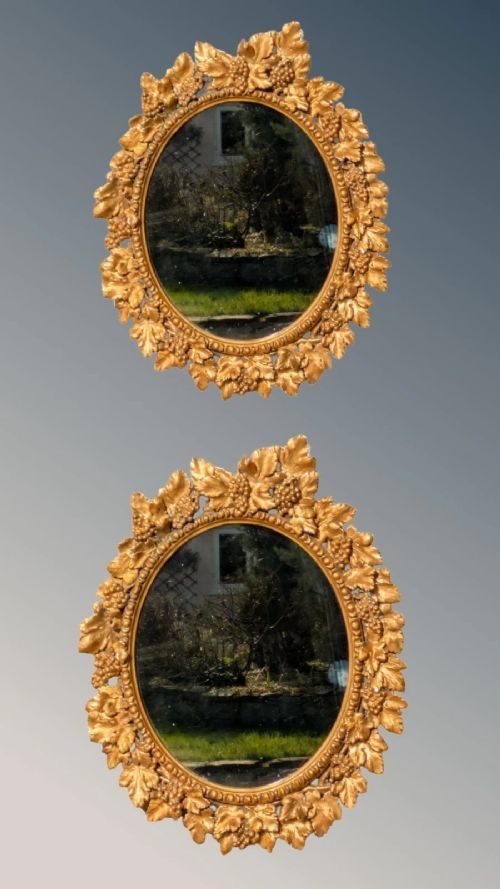
Makers shaped these frames from timber such as mahogany and carved wood, frequently applying layers of gesso to build up intricate relief decoration. Giltwood and gold leaf finishes were then added to create a reflective metallic surface.
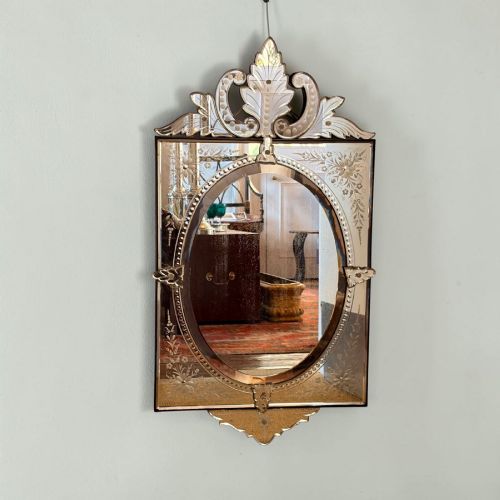
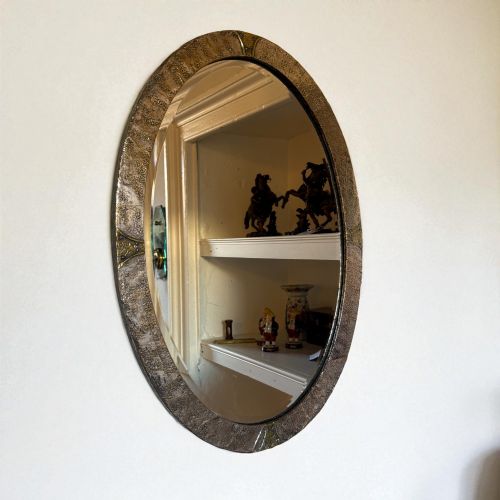
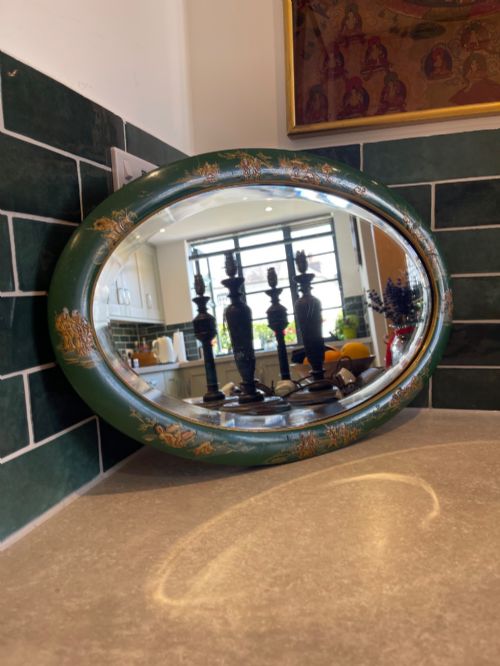
Alternative materials include cast brass, bronze, and hammered metal, particularly seen in Arts and Crafts examples from the Edwardian period. Mirror glass was often bevelled at the edges to catch the light, while other frames featured painted silk, porcelain elements, or simulated wood finishes.
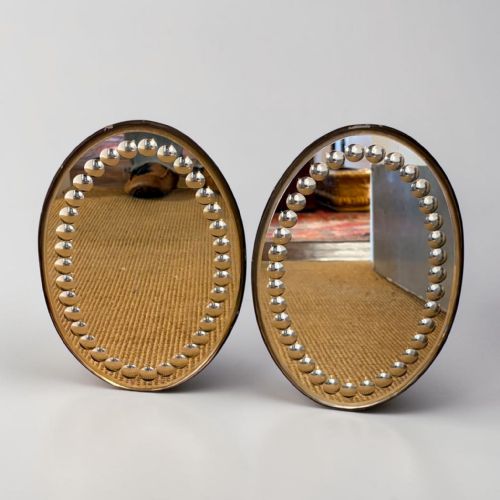
Among the glass and gilt, a pair of sorcerer mirrors waits to bend the reflection of any room they inhabit.
Distinctions in quality
Quality rests upon the depth and crispness of the hand-carved relief work on the timber and gesso frames. Finer examples show sharp definition in floral swags, ribbon bows, and architectural moulding, whereas simpler pieces rely on moulded composition.
The integrity of the original gilding and the clarity of the mirror glass also set pieces apart. Superior mirrors retain their original gold leaf and heavy bevelled glass plates, showing age evenly across the frame and reflective surface.
The Decorative Oval Mirror Glossary
- Giltwood
- Wood that has been coated with gold leaf or a gold-coloured metallic finish. This technique was widely utilised on nineteenth century decorative frames.
- Gesso
- A plaster-like mixture applied to wood frames to create a smooth surface for carving or gilding. It allowed makers to shape elaborate scrolls and floral motifs.
- Overmantel mirror
- A large mirror designed to hang above a fireplace mantelpiece. These pieces often feature extended horizontal or vertical proportions to fill the chimney breast.
- Barbola
- A type of polychrome gesso decoration moulded into raised floral patterns. It is frequently found on mirrors from the early twentieth century.
- Bevelled glass
- Glass with an edge that has been cut and polished to an angle thinner than the rest of the sheet. This creates a prismatic light effect around the perimeter.
Decorative Oval Mirror: Frequently Asked Questions
Where should I hang a decorative oval mirror?
These pieces suit spaces that benefit from curved lines, such as above a mantelpiece, in a hallway, or over a dressing table.
The vertical sweep of an oval frame helps balance narrow wall spaces and complements the proportions of period interiors.
How do I identify a Victorian oval mirror?
Victorian examples often feature heavy giltwood and gesso frames with deep carvings, or ebonised surfaces with parcel-gilt highlights.
They frequently display revival styles such as Rococo or Adam, incorporating classical motifs like urns and floral swags.
What is the difference between giltwood and brass frames?
Giltwood frames consist of carved timber coated in gold leaf or gold paint, offering a warm and ornate appearance typical of French and English revival styles.
Brass frames, by contrast, are metal structures often associated with Arts and Crafts pieces, showcasing hammered textures or simpler structural lines.
Are these mirrors suitable for modern interiors?
The classic proportions and reflective qualities of these pieces allow them to contrast effectively against plain modern walls.
They introduce texture and historical craftsmanship into contemporary living spaces without overwhelming the room.