



Decorative Oval Art
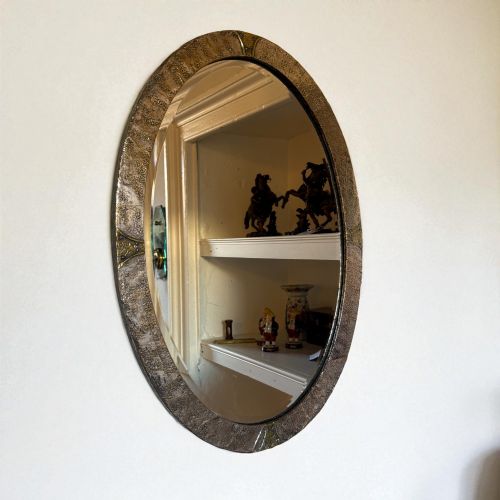
Decorative oval art spans mirrors, trays, frames and boxes in glass, brass and copper, offering character for any room.
Decorative Oval Art
Decorative oval art encompasses a varied collection of wall mirrors, serving trays, picture frames and storage boxes. These domestic objects combine practical utility with distinct period aesthetics, primarily drawn from the nineteenth and twentieth centuries.
Origins range from local workshops to continental manufacturers, with materials spanning metals, wood, glass and textiles. Each piece demonstrates how functional items received artistic treatment in past decades.
Materials and construction
Metals form a core component of these pieces, utilising brass, copper, hammered metal, pewter, and sterling silver. Artisans worked these materials through techniques like repousse and metal binding, often mounting glass or mirrors within the frames.
Woodwork appears in bentwood, pine, and giltwood construction, sometimes paired with hand-painted surfaces or textile embroidery. Glass elements include bevelled edges fitted carefully into metal or wooden surrounds.
Decorative Oval Art Retail Price Guide 2026
Typical asking prices for decorative oval art among the pieces listed under this phrase on Sellingantiques today, from the lower quarter to the upper quarter. They describe what is for sale here now, not the wider market.
Materials represented include sterling silver, brass, copper, pewter, glass, pine, bentwood, and giltwood.
Determining quality
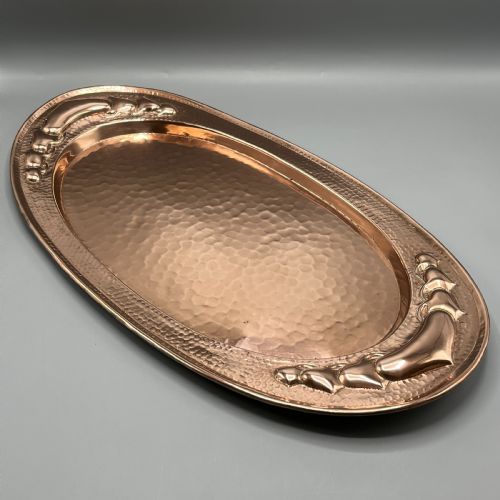
Quality in these items rests on the execution of surface detail, such as the depth of repousse work on copper trays or the crispness of moulding on frames. Maker attribution also plays a role, with established firms demonstrating superior metalworking standards.
Material integrity distinguishes finer examples, including heavy-gauge brass, intact bevelled glass, and well-preserved silver hallmarks. The harmony between the original form and the decorative surface dictates the overall standing of an object.
Liberty and Co·Christofle Paris
The Decorative Oval Art Glossary
- Repousse
- A metalworking technique where the metal is hammered from the reverse side to form a raised design in relief. This method was widely used in copper and brass trays from the Arts and Crafts period.
- Bevelled glass
- Glass featuring an edge that has been cut and polished to a specific angle, creating a framed effect. It adds depth and dimension to mirrors and picture frames.
- Bentwood
- Wood that has been heated and bent into curved shapes, commonly utilised in the production of boxes and frames. This technique allowed makers to achieve smooth, continuous oval contours.
- Giltwood
- Wood that has been treated with a thin layer of gold leaf or gold paint to provide a decorative metallic finish. It is frequently seen on frames and mirrors from earlier stylistic periods.
- Arts and Crafts
- A design movement valuing handcraftsmanship, natural materials, and simple forms over mass production. Objects from this movement often display visible hammer marks and organic motifs.
Decorative Oval Art: Frequently Asked Questions
What is the best way to clean copper trays?
Copper trays respond well to gentle cleaning methods that preserve the natural patina accumulated over the decades. Avoid abrasive chemical cleaners that strip away the historical character of the metal.
A soft cloth and mild soap are generally sufficient to remove surface dust without damaging repousse details.
How do I identify an Edwardian mirror?
Edwardian mirrors often feature specific stylistic markers from the early twentieth century, such as polished brass frames and Arts and Crafts influences. Look at the construction of the backing boards and fixings for period authenticity.
The integration of bevelled glass and floral or geometric metalwork provides further clues to the date.
Can antique silver frames hold modern photos?
Antique silver and brass photo frames generally accommodate standard photograph sizes, though older apertures can vary slightly from modern measurements. You may need to trim photographs gently to fit the exact opening.
Take care when opening the backing mechanisms of Edwardian and Art Deco frames, as the original hinges can be fragile.