



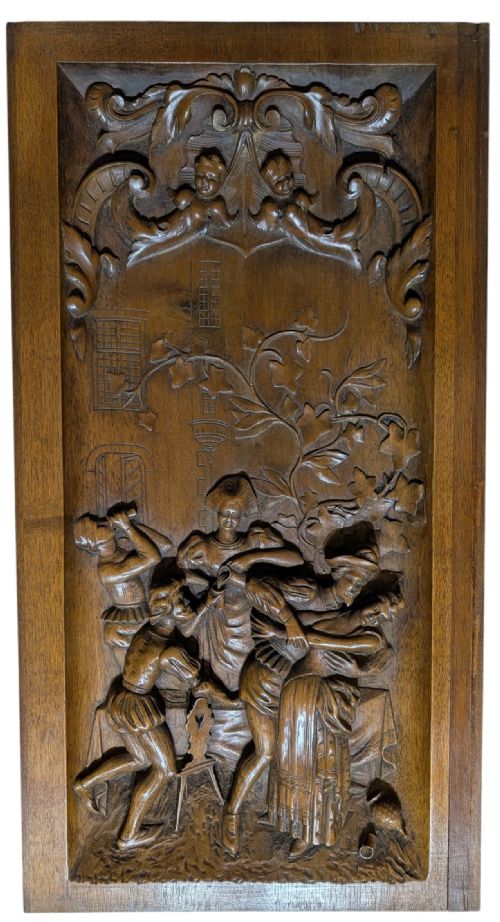


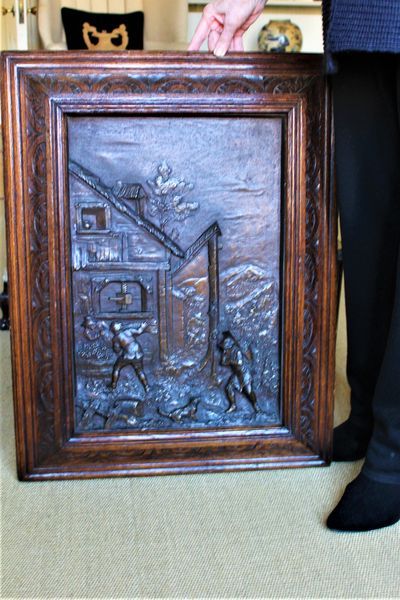
Decorative Oak Panel
These decorative oak panel pieces bring centuries of carved woodcraft and architectural history directly into your interior space.
Decorative Oak Panel
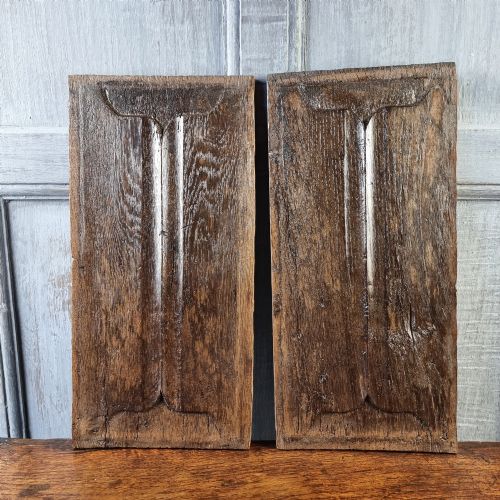
A decorative oak panel brings historic timber craftsmanship into modern rooms, drawing on centuries of architectural salvage and furniture fragments. You encounter pieces ranging from early sixteenth-century linenfold designs to Victorian and Arts and Crafts interpretations.
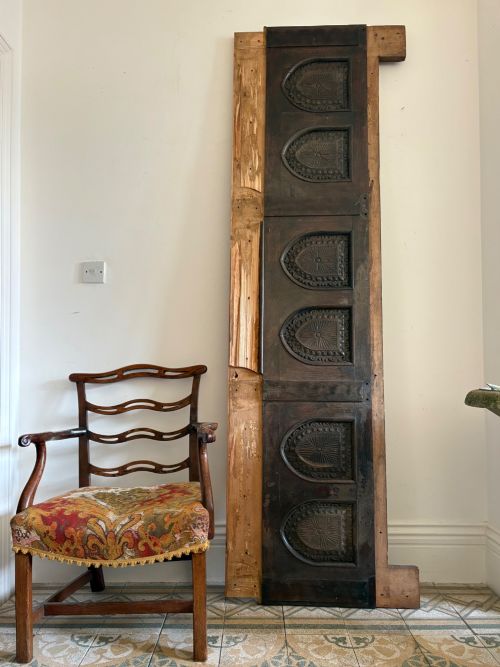
The selection encompasses wall carvings, architectural fragments, and repurposed cupboard doors fashioned primarily from solid timber. These items serve as wall art or integrated architectural elements that anchor a room in historical texture.
Period examples span the sixteenth century through the Edwardian era, showing stylistic shifts from Gothic tracery and Renaissance revival to simpler twentieth-century forms. The most frequently met pieces reflect centuries of woodworking tradition adapted for interior display.
Materials and construction methods
Makers utilised solid oak and timber substrates, sometimes applying limed finishes or golden stains to alter the natural grain. Surface treatments range from unadorned waxed timber to decorative elements incorporating copper and glass.
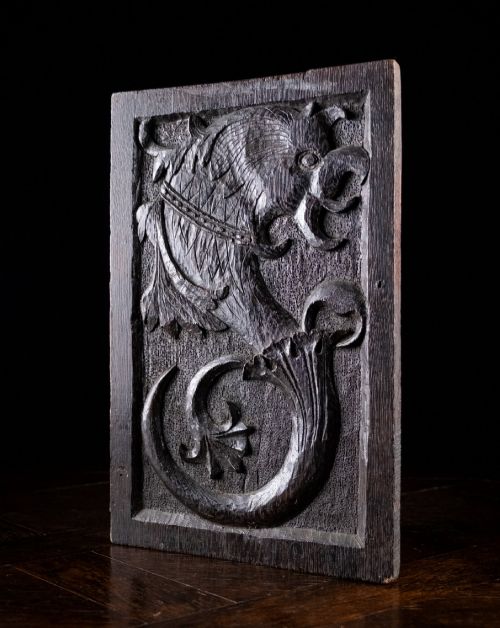
Carving techniques involve deep relief work, linenfold folding patterns, and Gothic tracery executed entirely by hand with traditional chisels and gouges. Joinery methods connect panels securely, whether intended for standalone wall art or integrated into larger furniture forms like settles and screens.
Decorative Oak Panel Retail Price Guide 2026
Typical asking prices for decorative oak panel among the pieces listed under this phrase on Sellingantiques today, from the lower quarter to the upper quarter. They describe what is for sale here now, not the wider market.
Listings feature oak panels spanning from the 16th century through the Edwardian period, alongside mixed materials including copper, glass, and silk embroidery.
Judging quality and execution
The depth and clarity of the hand-carved relief work dictate the visual strength of the piece, distinguishing finely rendered human figures and botanical motifs from simpler geometric cuts. Crisp edges on linenfold folds and tracery indicate superior workshop execution.
Material selection and age preservation play significant roles, with dense, well-figured oak retaining structural integrity and rich patination over centuries. The integration of secondary materials, such as beaten copper or specialised glass, adds complexity to the overall construction.
The Decorative Oak Panel Glossary
- Linenfold
- A style of wood carving that mimics folded fabric or linen, commonly seen on sixteenth-century panels. This technique creates a textured surface that catches the light across the grain.
- Gothic Tracery
- An architectural pattern of intersecting stonework ribs adapted into wood carving, typical of medieval and revival pieces. It provides intricate geometric framing for panels.
- Architectural Salvage
- Building components rescued from older structures for reuse as decorative items or wall art. These pieces preserve historic craftsmanship that might otherwise be lost.
- Ceiling Boss
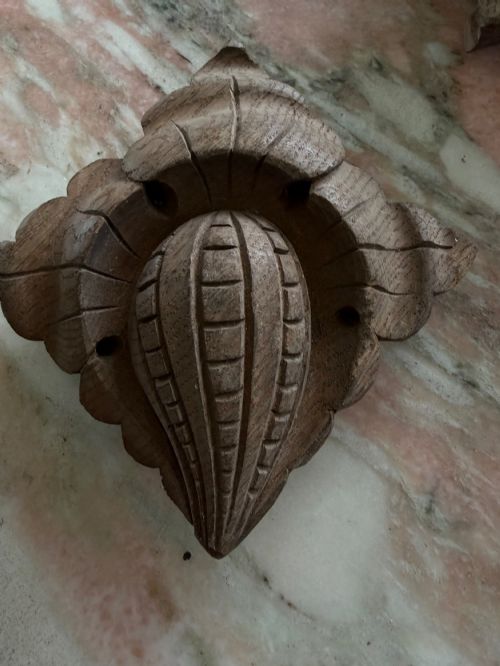
- A decorative projecting block of wood placed at the intersection of ceiling ribs, often heavily carved with figurative or floral motifs. They serve as focal points in historic interior architecture.
Decorative Oak Panel: Frequently Asked Questions
How were decorative oak panels originally used?
These panels functioned as structural wall linings, cabinet doors, and ceiling elements within historic domestic and ecclesiastical buildings. They provided both insulation against cold stone walls and a display of wealth through intricate carving.
Over time, many of these architectural elements were salvaged from older buildings and repurposed as standalone wall art or incorporated into later furniture like settles and screens.
How do I hang a heavy wooden panel safely?
Mounting timber panels requires securing weight-bearing brackets or French cleats directly into wall studs to support the dense oak substrate safely. Ensure the hanging hardware engages sound material behind the plaster.
Consult a professional installer if the piece lacks integrated hanging points or possesses an irregular architectural frame that shifts the centre of gravity.
What periods do these carved panels represent?
The available selection spans from the sixteenth century through the Victorian, Edwardian, and Arts and Crafts periods. Earlier examples often feature linenfold or Gothic tracery designs, while later pieces reflect revivals of historical styles.
Stylistic markers such as relief depth, tool marks, and finish types help differentiate seventeenth-century workmanship from nineteenth-century revival interpretations.
How should I care for antique oak wood?
Maintain the timber by dusting regularly with a dry, soft cloth and occasionally applying traditional beeswax to nourish the dry grain. Avoid placing panels near direct heat sources or in areas with fluctuating humidity to prevent wood splitting.
Keep surfaces away from prolonged moisture exposure and harsh chemical cleaners that can strip the historic patination accumulated over centuries.