



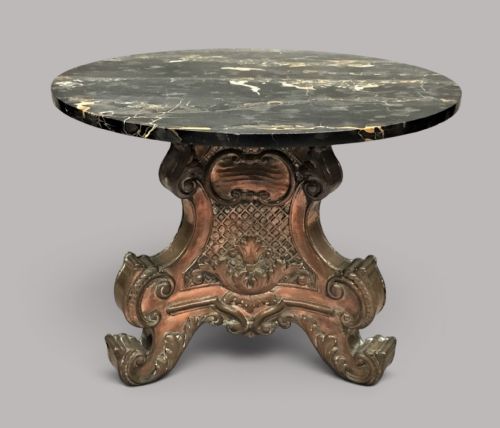


Decorative Low Table
These decorative low table examples bring together wood, lacquer, and wrought iron to anchor a room with period character.
Decorative Low Table
A decorative low table serves as a central surface in a room, drawing upon forms such as coffee tables, ottomans, benches, and tray tables. Buyers seeking a decorative low table encounter varied historical origins, including traditional English, French provincial, and Anglo-Indian designs.
The pieces available span the nineteenth and early twentieth centuries, incorporating diverse object types like footstools, side tables, and miniature furniture. Many items adapt earlier seating forms or serving trays into low tables suited for modern living spaces.
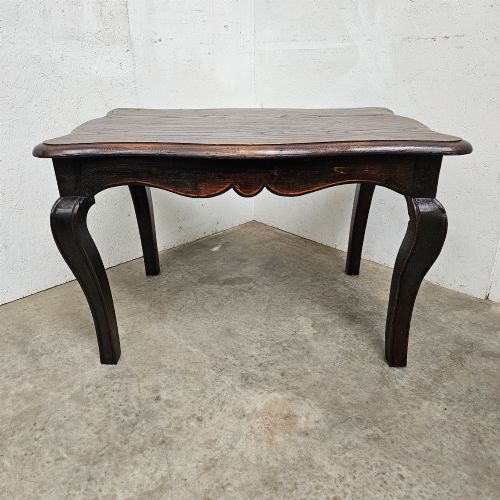
Makers and workshops utilised distinct regional aesthetics, ranging from French Régence style carved frames to Kashmiri and Chinoiserie surface treatments. Each piece demonstrates how period furniture forms have been repurposed or designed specifically for lower surface heights.
How they were made
Construction relies upon traditional timber framing, utilising woods such as chestnut, walnut, and oak. Artisans shaped these structures through period joinery techniques, creating durable low tables designed for daily use.
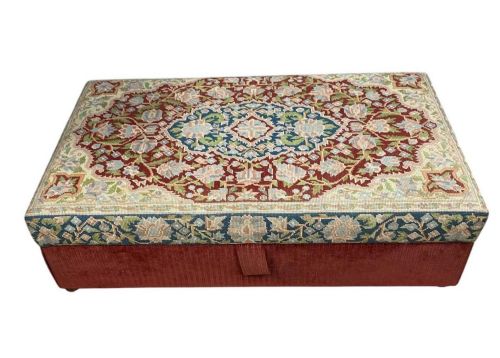
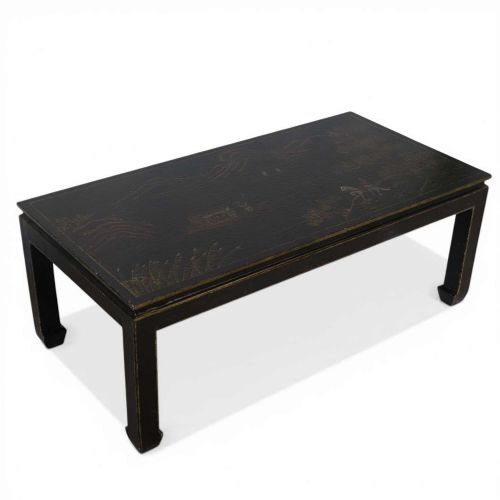
Surface decoration defines many pieces, employing lacquer, paint, and japanning to create intricate pictorial scenes. Other examples incorporate textiles directly into the structure, featuring wool tapestry and velvet upholstery stretched over ottoman frames.
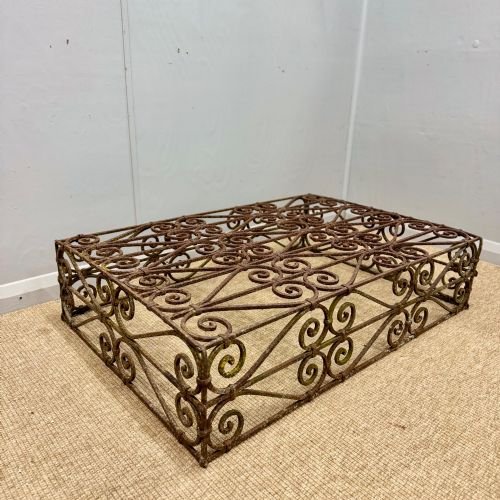
Metalwork appears in structural and decorative elements, utilising wrought iron for garden low tables and copper for table tops. Workshops also applied specialised carving styles, from Edwardian Jacobean revival motifs to French provincial contours.
Decorative Low Table Retail Price Guide 2026
Typical asking prices for decorative low table among the pieces listed under this phrase on Sellingantiques today, from the lower quarter to the upper quarter. They describe what is for sale here now, not the wider market.
Current listings feature materials including chestnut, walnut, wrought iron, lacquer, tapestry, and velvet across nineteenth and early twentieth-century periods.
What varies in quality
The standard of surface ornamentation sets exceptional pieces apart, particularly in hand-painted japanned scenes, lacquer work, and intricate wood carving. Superior examples exhibit crisp detail and harmonious proportions that reflect high workshop competency.
Material selection dictates durability and visual depth, distinguishing solid walnut and chestnut frames from simpler constructions. The integration of textiles, such as antique tapestry tops, influences the overall coherence and execution of the piece.
B Battioli Varese
The Decorative Low Table Glossary
- Japanning
- European imitation of East Asian lacquer work popular in furniture decoration. Artisans applied successive coats of varnish and paint to simulate oriental finishes.
- Regency style
- Design movement characterised by classical revival motifs and influences from ancient Greece and Rome. Pieces from this tradition often feature restrained lines alongside decorative carved details.
- Chinoiserie
- European decorative style reflecting Chinese artistic influences. This aesthetic appears on painted surfaces and tray tables through stylized landscape and architectural motifs.
- Wrought iron
- Iron heated and hammered into shape by a blacksmith. This material provides sturdy, weather-resistant frames for garden and conservatory furniture.
Decorative Low Table: Frequently Asked Questions
What periods do these low tables come from?
The pieces span the nineteenth century and the early decades of the twentieth century, including items made around nineteen hundred and nineteen thirty.
These dates reflect the eras when traditional furniture forms were adapted into lower surface formats or when specific revival styles gained popularity.
How were ottoman coffee tables used originally?
Many ottoman frames began as seating furniture or footstools before being repurposed to function as coffee tables in domestic interiors.
Upholstered tops in wool tapestry or velvet allowed these pieces to serve dual purposes for resting feet or placing objects.
What materials are common on painted tables?
Makers utilised wood bases prepared with layers of paint, lacquer, or japanning to create decorated surfaces depicting pictorial scenes.
These finishes required skilled application to achieve the smooth grounds necessary for detailed decorative work.
Are tray tables sturdy enough for daily use?
Tray tables typically consist of a removable top supported by a folding or fixed wooden stand.
While designed for serving and display, their stability depends on the construction quality of the supporting stand and frame.