





Decorative Landscape Painting
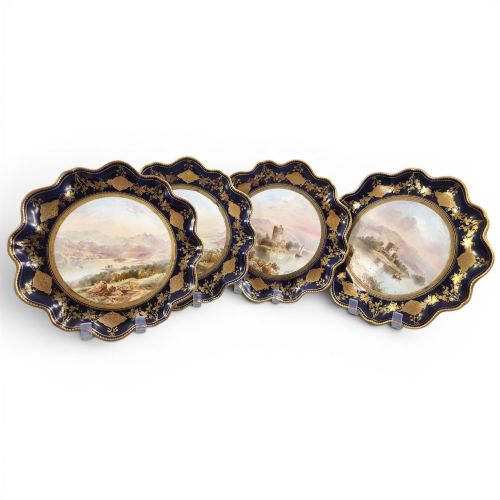
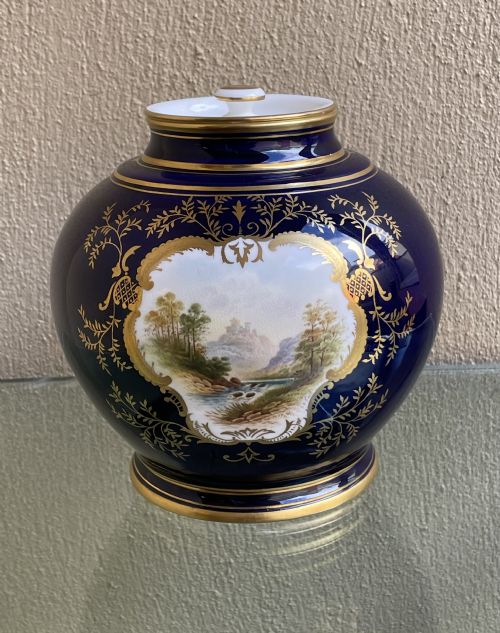
A decorative landscape painting brings open countryside, rivers and bridges into the room upon porcelain plates, glass windows, trays and canvas.
Decorative Landscape Painting
A decorative landscape painting encompasses rural views, woodland scenes and coastal waters rendered across diverse functional objects and traditional canvases. When searching for a decorative landscape painting, buyers encounter pieces stretching from the seventeenth century through to the mid twentieth century, with nineteenth century examples appearing most frequently.
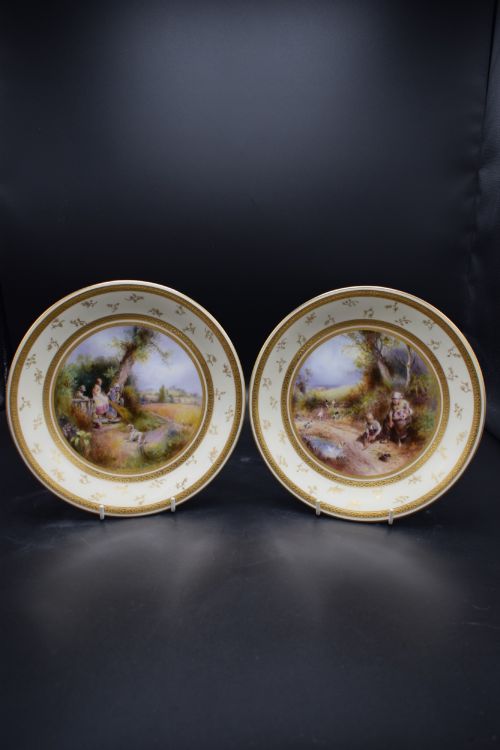
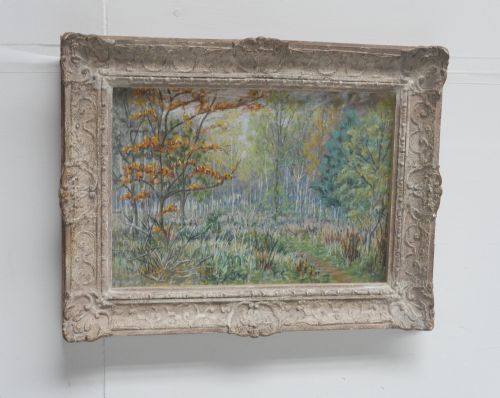
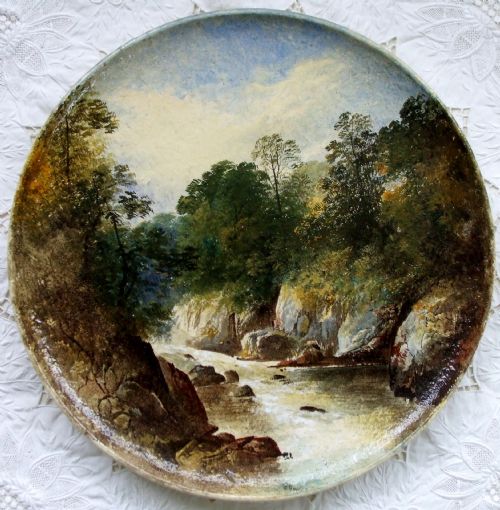
The form spans framed oil and pastel works alongside painted porcelain cabinet plates, earthenware plaques, toleware trays and leaded glass windows. English factories such as Coalport, Aynsley and Royal Worcester sit alongside French porcelain, Japanese Satsuma vases and Dutch school oils.
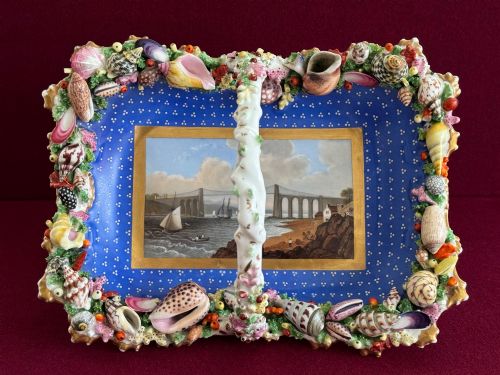
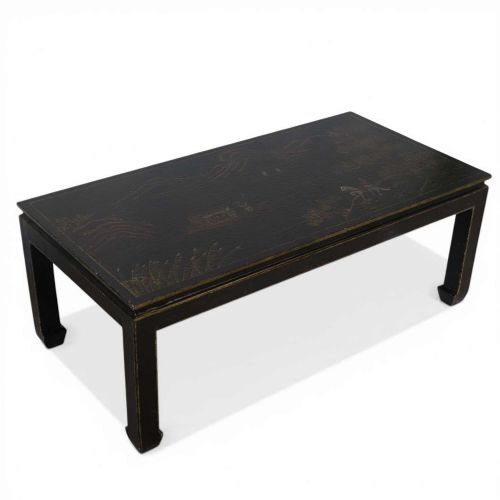
Domestic settings receive these scenic works upon coffee tables, tilt top tables, porcelain vases and wall plaques. Each piece captures a specific topography, from Welsh rivers and Scottish highlands to imagined oriental scenes.
Materials and Technique
Pigments apply directly to ceramic glazes, glass panes, paper mache and canvas using oil, watercolour and enamel paints. Porcelain and earthenware bodies undergo high temperature firing before artists paint detailed topographical views by hand.
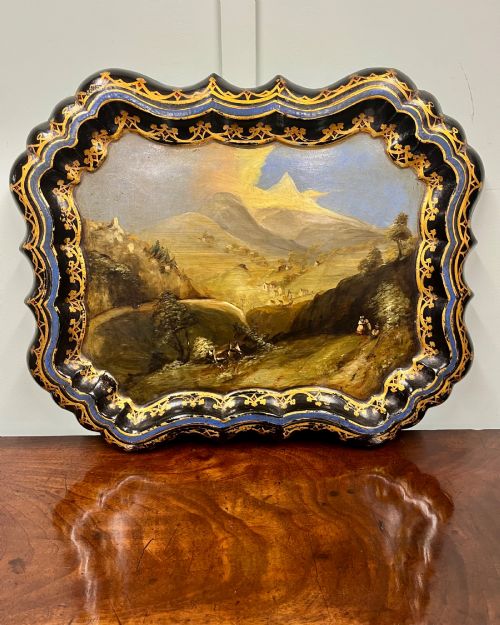
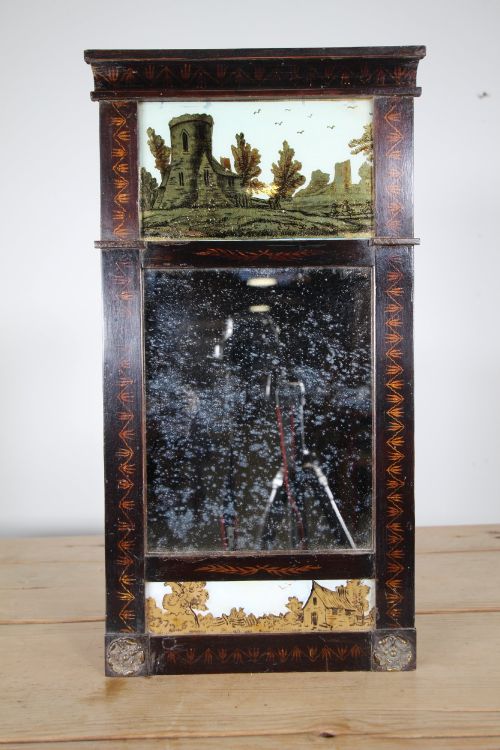
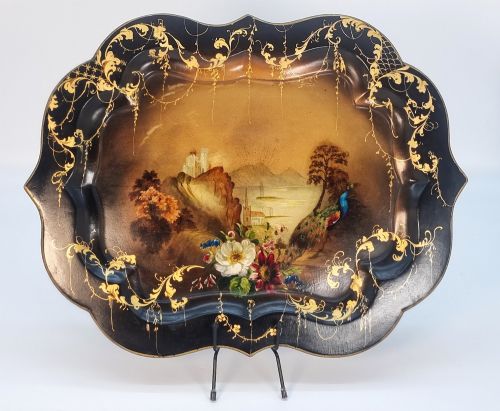
Metal substrates such as toleware and ironstone receive layered painted finishes, occasionally augmented with gold leaf, gilding and mother of pearl inlay. Leaded glass windows combine hand painted countryside scenes with traditional glazing techniques.
Decorative Landscape Painting Retail Price Guide 2026
Typical asking prices for decorative landscape painting among the pieces listed under this phrase on Sellingantiques today, from the lower quarter to the upper quarter. They describe what is for sale here now, not the wider market.
Listings feature periods from the 17th century to the 1950s, using porcelain, glass, wood, paint and gold leaf.
Distinctions in Quality
Brushwork precision separates standard factory production from master painted cabinet pieces, particularly upon porcelain plates and vases where fine detail defines the horizon and foliage. Named views attributed to known artists command greater attention than generic pastoral backdrops.
Substrate integrity and the preservation of the original painted surface dictate the standing of trays, furniture and glass panels. Integration between the painted landscape and the object form determines overall visual harmony.
William Yale·E O Ball·Pucher Deroche·Clarice Cliff·Constant Ludovic Artz·Harry Stinton·William Powell Frith·Ando
The Decorative Landscape Painting Glossary
- Cabinet plate
- A decorative ceramic plate intended for display rather than dining. These often feature hand painted landscape views and gilt borders.
- Toleware
- Painted or enamelled sheet metalware used for domestic objects such as trays and boxes. It provides a smooth dark ground for painted scenes.
- Japanned
- European furniture and decorative objects finished in imitation of East Asian lacquerwork. This process often incorporates painted landscape scenes.
- Ironstone
- A heavy durable type of earthenware patented in England. It serves as a sturdy base for transfer printed and hand painted decoration.
- Satsuma
- Japanese earthenware pottery featuring a crackle glaze and polychrome enamel decoration. Landscapes and figures form common subjects on these pieces.
Decorative Landscape Painting: Frequently Asked Questions
How were landscape painted plates displayed?
Plates featuring scenic views were typically exhibited in glass fronted cabinets or mounted directly onto walls using wire hangers. This kept fragile enamel and porcelain surfaces safe from everyday wear.
Well appointed Victorian and Edwardian drawing rooms used these cabinet plates to introduce colour and narrative interest to interior spaces.
Where were painted trays used in the home?
Papier mache and toleware trays served both functional roles in serving refreshments and decorative roles when propped upon side tables or stands. Their painted landscape scenes turned utilitarian items into portable art.
Larger trays often sat upon folding bases to form occasional tables within reception rooms.
How do I care for painted glass windows?
Leaded glass windows require gentle cleaning with soft cloths and mild solutions to protect hand painted surface details. Avoid abrasive materials that might scratch the pigment.
Securing panels within stable wooden frames prevents stress on the lead cames and preserves the structural integrity of the glass.
What subjects appear on these landscapes?
Common subjects include local rivers, mountain passes, coastal shipping and pastoral farmyards drawn from British, European and Asian topography. Specific named locations often appear on the reverse of porcelain plates.
Artists also depicted imagined oriental scenes and romantic woodland gatherings influenced by contemporary tastes.