

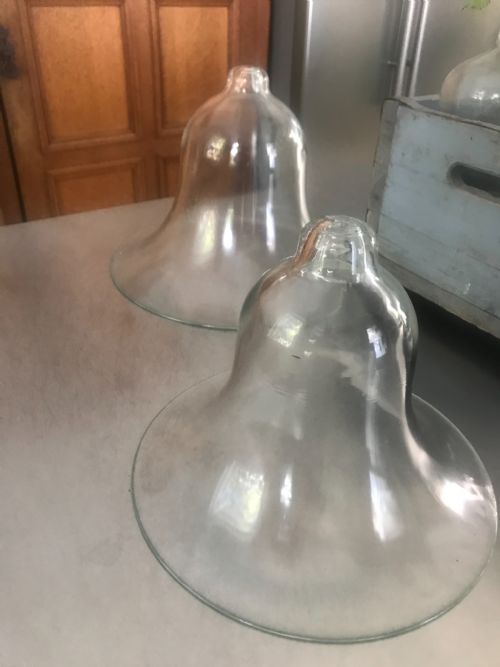


Decorative Glass Jar
These decorative glass jar pieces bring tactile nineteenth and early twentieth century craftsmanship into your home.
Decorative Glass Jar
A decorative glass jar search covers a diverse assortment of nineteenth and early twentieth century vessels, ranging from lidded biscuit jars to apothecary storage containers and delicate display domes.
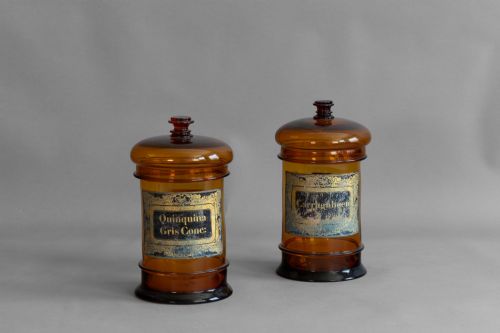
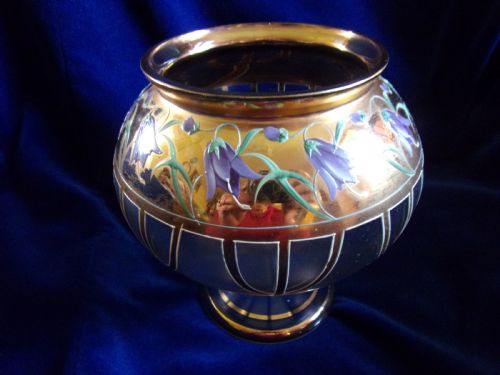
The most common versions met here include Victorian cut glass containers, amber glass apothecary jars, and enamelled vessels from the Art Nouveau period.
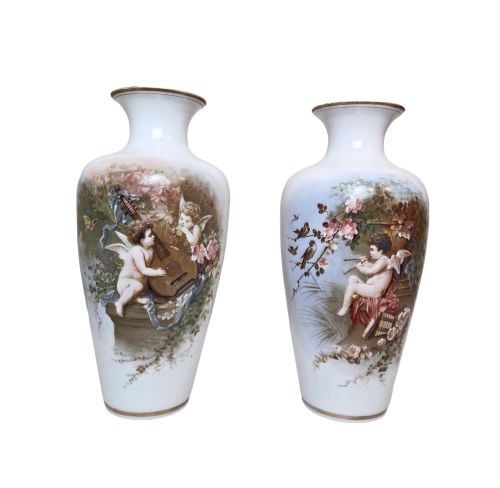
Makers utilised various functional forms, including bell jar lanterns, taxidermy showcases, and opaline vases, reflecting both domestic utility and decorative display traditions.
How they were made
Makers shaped these items using hand blown glass techniques, often employing lead crystal or cut glass to achieve deep refractive qualities.
Surface ornamentation involved intricate enamel work, gold leaf application, and gilding, alongside cameo glass carving to create detailed landscape and figurative motifs.
Many lidded containers and display domes incorporate supplementary materials such as wood and fabric bases to support the glass structures securely.
Materials recorded across the inventory include cut glass, lead crystal, enamel, gilt, gold leaf, wood, and fabric.
What varies in quality
The sophistication of surface decoration sets apart finer examples, particularly where enamel work and gilding are executed with precision rather than simple application.
The clarity and weight of the glass body, alongside the depth of hand cutting in crystal pieces, dictate the overall refinement of the object.
Integrity of paired sets and the preservation of original lidded components or wooden bases influence the enduring standard of these vessels.
Mary Gregory·Galle
The Decorative Glass Jar Glossary
- Cut glass
- Glass decorated by grinding facets or patterns into the surface using a rotating wheel. This technique enhances the material ability to catch and refract light.
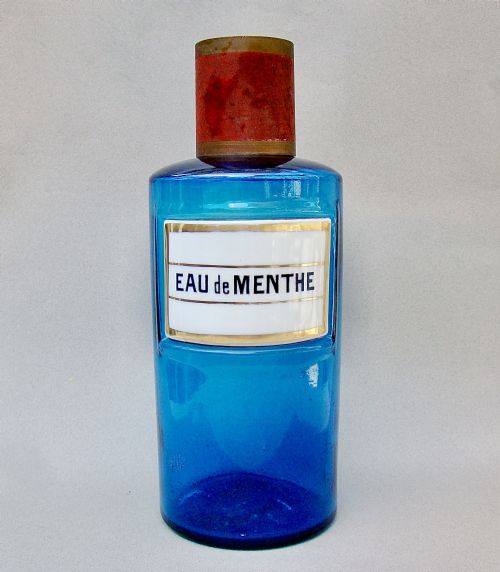
- Apothecary jar
- A vessel originally designed to hold medicinal drugs, herbs, or chemicals in a pharmacy. These storage jars often feature heavy glass bodies and tight-fitting stoppers or lids.
- Cameo glass
- A luxury form of glassware produced by layering two or more coloured glasses and carving away the top layer to create a raised design. This technique requires exceptional skill.
- Display dome
- A transparent glass cover used to protect and exhibit delicate objects such as taxidermy or still life arrangements. They are typically paired with a turned wooden base.
- Opaline glass
- A type of semi-opaque glass with a milky appearance, popular during the nineteenth century. It is frequently found in pastel shades and decorated with enamel.
Decorative Glass Jar: Frequently Asked Questions
What were apothecary jars used for?
These jars served as storage containers in pharmacies and dispensaries to hold dry herbs, liquids, and medicinal compounds safely.
Their heavy construction protected contents from moisture and degradation while allowing pharmacists to view supplies easily.
How do I care for antique glass?
Clean these items gently using lukewarm water and mild soap, avoiding harsh chemicals that might damage delicate enamel or gilding.
Handle lidded jars and display domes with care, supporting both the glass body and any wooden base during movement.
What is cranberry glass?
Cranberry glass is a red-tinted transparent material created by adding gold chloride to the molten glass mixture during production.
It gained popularity in Victorian household items such as lidded biscuit jars and decorative tableware.
How do I date a glass cloche?
Dating relies upon examining the slight irregularities in hand blown glass, pontil marks on the base, and the style of accompanying wooden stands.
Late nineteenth and early twentieth century examples often display thicker walls and distinct manufacturing traits compared to modern reproductions.