



Decorative Glass Fixture
A decorative glass fixture brings light and period character to a room through cut crystal, brass, and coloured glass.
Decorative Glass Fixture
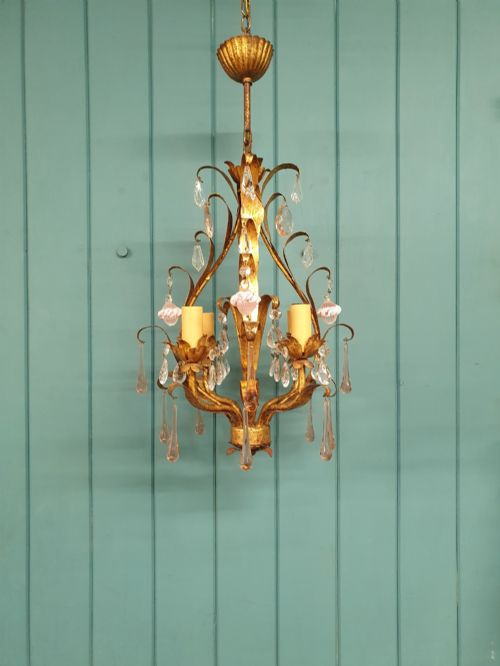
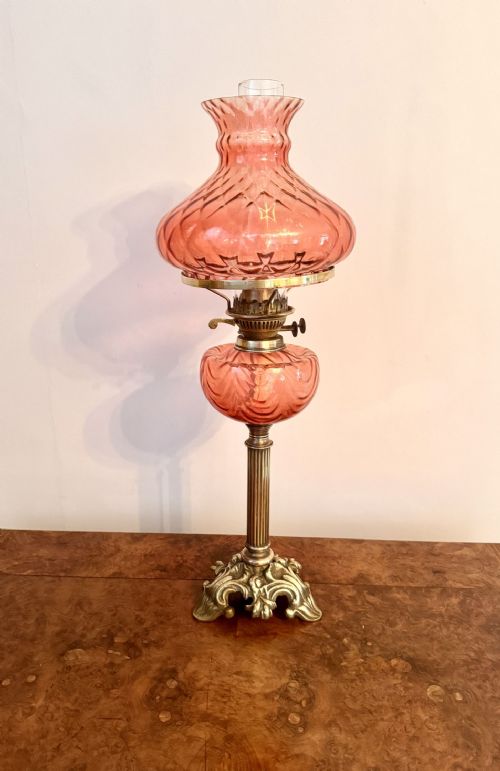
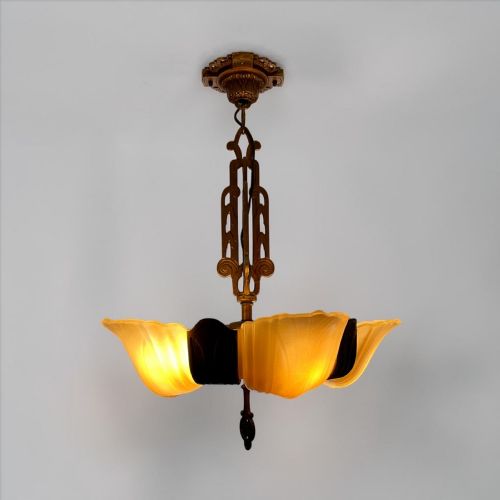
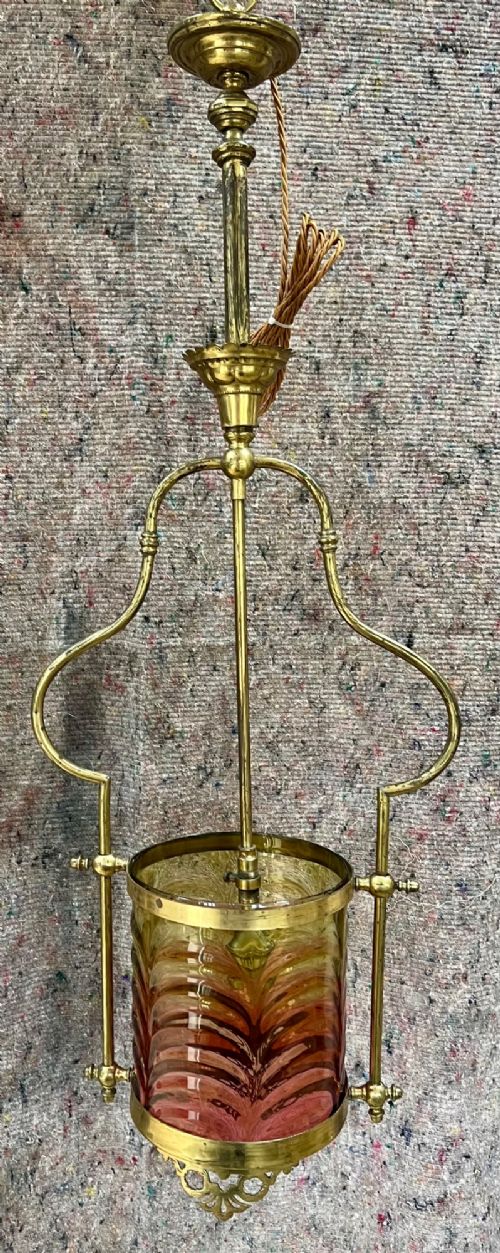
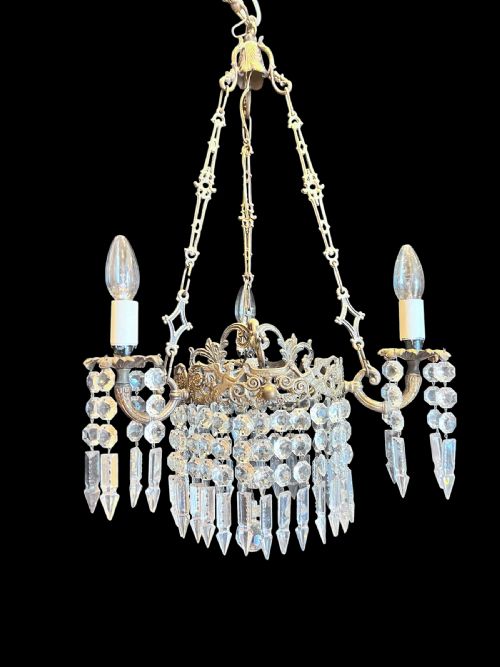
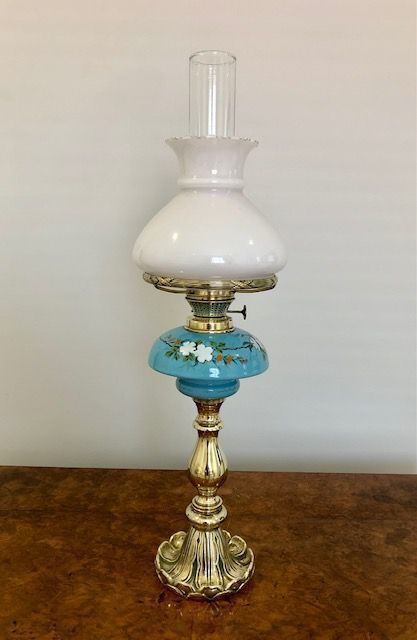
A decorative glass fixture encompasses chandeliers, ceiling lights, oil lamps, pendant lights, table lamps, and hall lanterns sourced from the Victorian, Edwardian, and mid-twentieth-century periods. These pieces utilise glass, crystal, brass, wrought iron, and gilt metal to provide illumination.
The selections span styles from French Art Nouveau and Art Deco to Gothic Revival, Victorian, and Traditional Classical. Buyers encounter hanging lanterns, drop chandeliers, and bowl chandeliers designed for ceilings, porches, and hallways.
Origin points include France, Britain, and America, featuring handcrafted elements such as leaded stained glass, hand-blown diamond-cut crystal, and slip shades. Each form serves a practical lighting function while displaying distinct period aesthetics.
Materials and Techniques
Glass and crystal undergo cutting, blowing, and moulding to form drops, beads, shades, and bell jars. Metal components utilise brass, bronze, gilt metal, copper, chrome, and wrought iron, shaped through casting, blacksmithing, and framing techniques.
Construction methods combine metal armatures and frames with wired or oil-burning internal fittings. Coloured glass elements, including cranberry glass and stained glass panels, integrate with lead or metal cames to build structured lanterns and shades.
Decorative Glass Fixture Retail Price Guide 2026
Typical asking prices for decorative glass fixture among the pieces listed under this phrase on Sellingantiques today, from the lower quarter to the upper quarter. They describe what is for sale here now, not the wider market.
Listings feature items from the 19th Century, Victorian, Edwardian, and 1930s periods, incorporating brass, wrought iron, and cranberry glass.
Quality Variations
Quality rests upon the clarity and depth of the cut crystal or glass, alongside the weight and finish of the bronze, brass, or iron frames. Superior pieces display crisp facet cutting, balanced proportions, and integrated metalwork rather than mass-produced uniformity.
Detailing differentiates standard production from finer examples, such as hand-blown elements, intricate drop swags, and bespoke blacksmith-made ironwork. The harmony between the metal mountings and the glass components dictates the overall presence of the fixture.
The Decorative Glass Fixture Glossary
- Slip shade
- A moulded glass shade that slots directly into a metal ceiling light fixture, common in Art Deco designs.
- Cranberry glass
- A rich red-pink transparent glass created by adding gold chloride to the molten batch during the Victorian era.
- Bell jar lantern
- A hanging light enclosed by a rounded, bell-shaped glass shade, often fitted with a brass or bronze top mount.
- Gilt metal
- A base metal surface treated with a thin layer of gold leaf or gilt wash to simulate solid gold hardware.
- Drop chandelier
- A multi-branched ceiling light hung with cut crystal pendants, beads, or glass fruit ornaments to refract light.
Decorative Glass Fixture: Frequently Asked Questions
How do I hang a heavy antique chandelier?
Ceiling fixtures require secure anchoring into ceiling joists using a rated metal hook or mounting bracket capable of supporting the combined weight of the metal frame and glass components.
Professional electrical installation ensures the wiring matches current safety standards while holding the structural load safely.
Can these fixtures be rewired for modern wiring?
Most antique lighting accepts modern electrical cord and standard bulb fittings without altering the visible metal or glass exterior.
Rewiring preserves the historic frame while allowing safe daily use in contemporary domestic electrical systems.
How do I clean cut crystal glass drops?
Regular dusting with a soft cloth maintains the surface shine of the crystal and glass components without loosening the connecting wire pins.
For deeper cleaning, remove individual drops and wash them in lukewarm water with mild soap before drying them thoroughly.
What rooms suit a hall lantern?
Hall lanterns provide focused downward illumination suited for narrow entryways, corridors, and stairwells where ceiling height allows hanging clearance.
Their enclosed glass panels protect the interior light source from drafts while casting patterned reflections across surrounding walls.