





Decorative Glass Clock
A decorative glass clock brings undeniable elegance and movement to a room, offering a clear view of intricate internal mechanics encased in fine glass.
Decorative Glass Clock
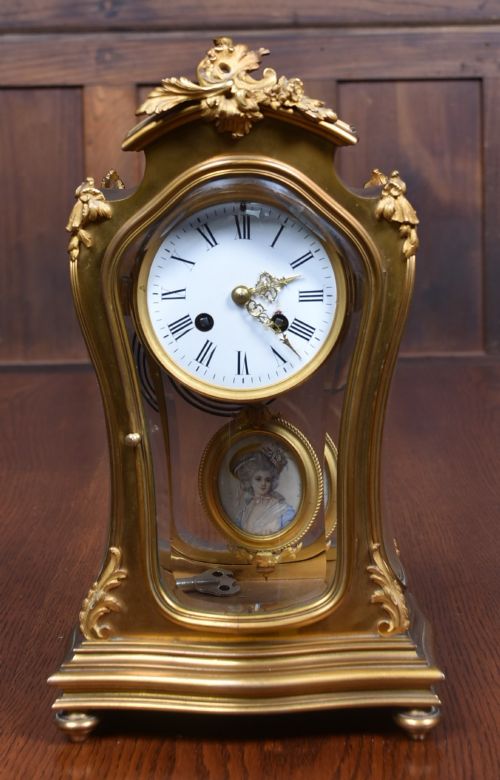
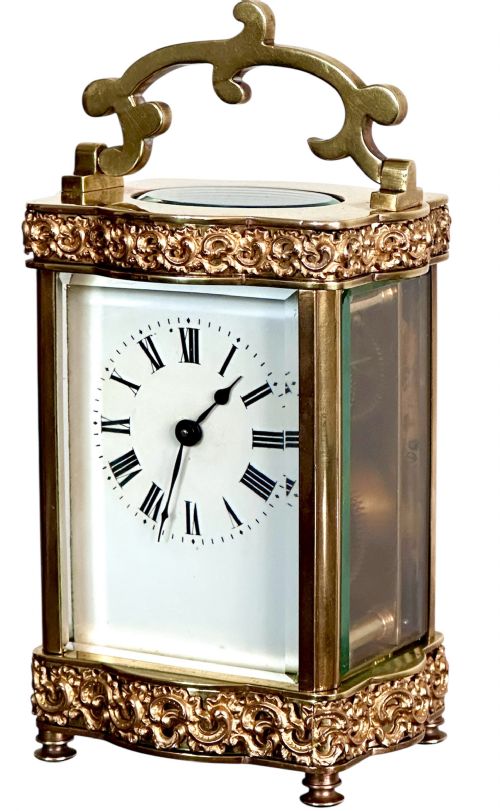
A decorative glass clock encompasses sophisticated mantel pieces, carriage clocks, and glass-cased regulators designed to showcase interior movements. Buyers seeking a decorative glass clock will frequently encounter French designs featuring polished brass frameworks and bevelled glass panels.
The selection spans the nineteenth century up to the mid-twentieth century, with Victorian examples and French Rococo Revival styles appearing regularly. Mantel clocks with four glass panels and portable carriage clocks dominate the available forms on this page.
Alongside timepiece mechanisms, the inventory includes display domes and cloches that traditionally housed delicate taxidermy or sculptural objects. These transparent enclosures protect intricate items while maintaining complete visibility from every angle in a room.
Materials and construction
Construction relies heavily on transparent glass combined with supportive metal frames of brass, gilt bronze, and gilt brass. Cabinetmakers and clockmakers also utilised ebonised wood and velvet to form stable bases and interior platforms.
Enamel dials provide crisp readability against metallic movements, whilst finely engraved brass components demonstrate meticulous hand-finishing techniques. Delicate skeleton clock movements are engineered to operate visibly within protective glass domes and display cases.
Decorative Glass Clock Retail Price Guide 2026
Typical asking prices for decorative glass clock among the pieces listed under this phrase on Sellingantiques today, from the lower quarter to the upper quarter. They describe what is for sale here now, not the wider market.
Victorian taxidermy domes share floor space with precision carriage clocks, proving that the Victorians loved both time and stuffed birds equally.
Judging quality and craftsmanship
Quality reveals itself in the precision of the metalwork, the clarity and thickness of the bevelled glass panels, and the reputation of the maker. Signed movements by established horologists and retailers command greater attention from discerning collectors.
The complexity of the internal mechanism, such as passing strikes or fusee movements, elevates a piece beyond standard timekeeping. Engraved detailing on carriage clock cases and intricate cloisonné decoration further distinguish exceptional examples from simpler production.
Duverdrey and Bloquel·Tiffany·Delépine-Barrois·Rodier
The Decorative Glass Clock Glossary
- Carriage clock
- A small, portable spring-driven timepiece originally designed for travelling. These pieces typically feature a rectangular brass case with glass panels.
- Four glass clock
- A mantel clock enclosed entirely by glass panels on the front, back, and sides. This design permits unobstructed observation of the pendulum and gear train.
- Skeleton clock
- A timepiece with an open framework designed to expose the gear wheels and escapement. These mechanisms are frequently displayed beneath a glass dome to prevent dust accumulation.
- Fusee
- A conical pulley used in mechanical clocks to maintain even force as the mainspring unwinds. This mechanism improves timekeeping accuracy across the power reserve.
- Cloisonné
- An ancient decorative technique where metal wire forms compartments on a surface that are subsequently filled with enamel paste and fired.
Decorative Glass Clock: Frequently Asked Questions
How do I wind a glass clock?
Most mechanical clocks require a specialised key inserted into winding arbors on the dial or movement backplate. Care must be taken not to overwind the mainspring.
Consulting the specific movement instructions ensures the longevity of antique springs and delicate gear trains.
Where should I place a glass clock?
Position the timepiece on a stable, level surface away from direct sunlight and drafts. Mantelpieces, sturdy sideboards, and dedicated display tables work well.
Stability is essential because mechanical pendulums require a level foundation to maintain accurate timekeeping.
How do I clean a glass dome?
Lift the dome carefully using both hands and place it on a secure, padded surface before cleaning. Use a mild glass cleaner applied to a cloth rather than directly on the glass.
Avoid spraying liquids near antique brass frames or delicate paper dials to prevent water damage.
What is a passing strike movement?
A passing strike mechanism sounds a single chime on the hour or half-hour without counting the exact time. It provides an audible accent rather than a full hourly count.
This function was popular in decorative carriage clocks and skeleton clocks of the nineteenth century.