

Decorative Gilt Art
Decorative gilt art spans centuries of craftsmanship, bringing together gleaming gold leaf, rich oils and intricate porcelain to elevate any interior.
Decorative Gilt Art
Decorative gilt art encompasses a diverse range of objects where metallic gold application unites varied media across multiple historical periods.
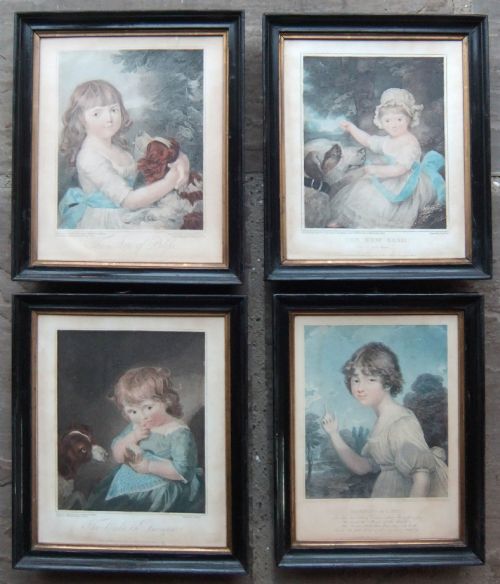
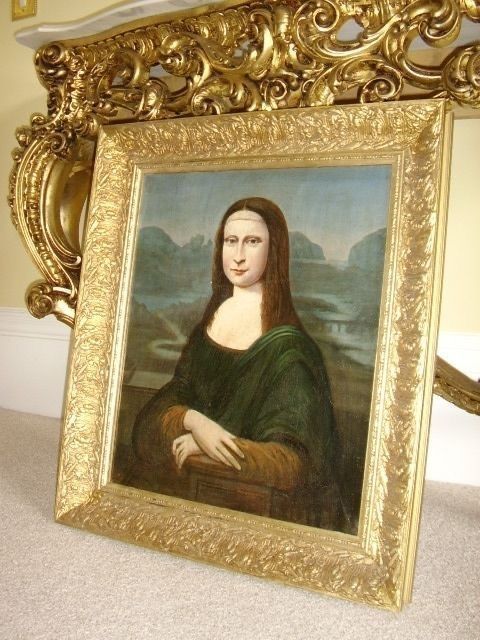
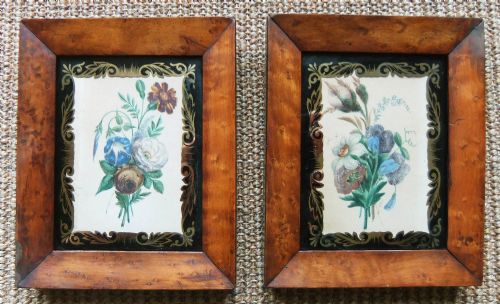
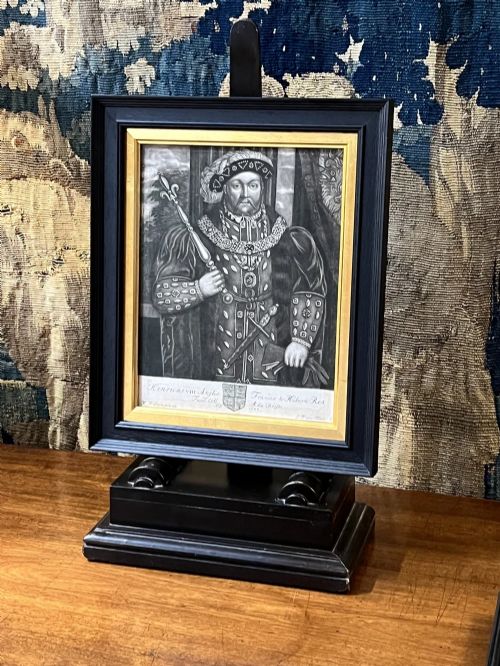
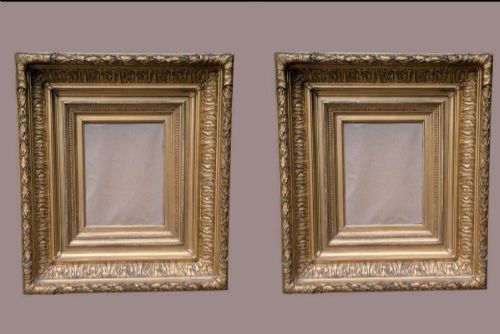
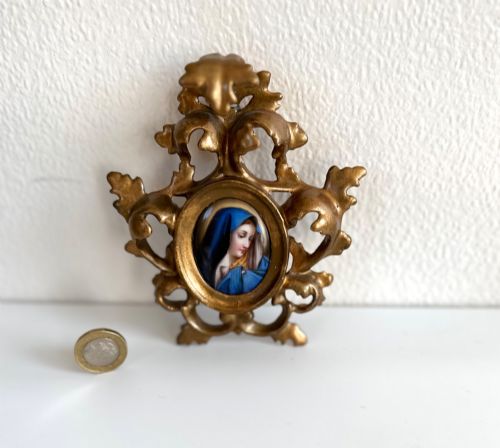
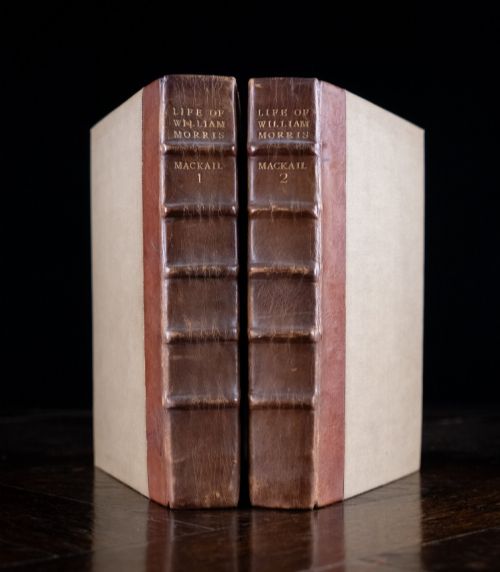
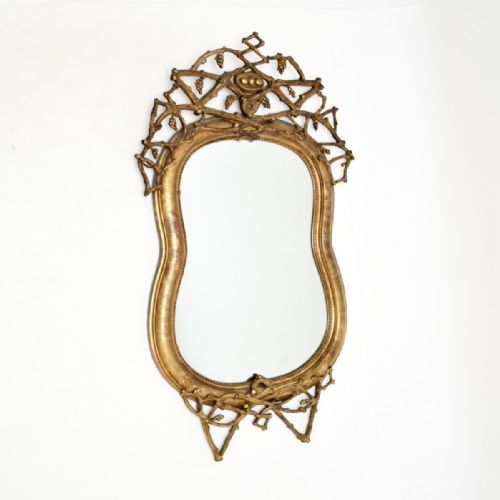
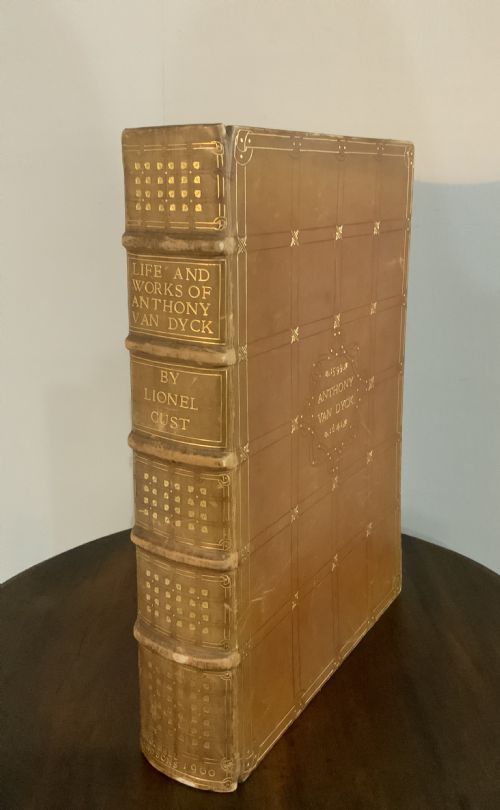
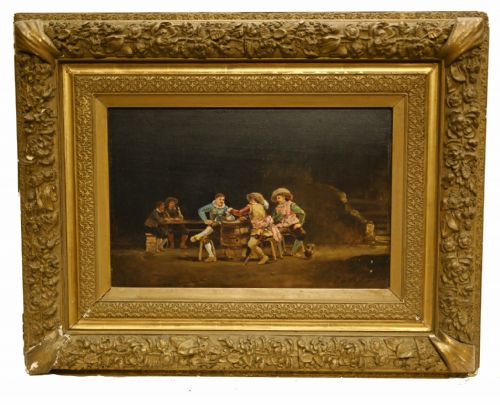
Buyers seeking decorative gilt art encounter oil paintings in ornate frames, porcelain bowls with lustre glazes, cast bronze sculptures and leather-bound books.
The selection ranges from eighteenth-century classical works and Victorian revivals to twentieth-century Art Nouveau and Art Deco creations.
Materials and construction methods
Makers applied delicate gold leaf and lustre glazes to surfaces of wood, porcelain, glass and canvas, often combining painting with metallic embellishment.
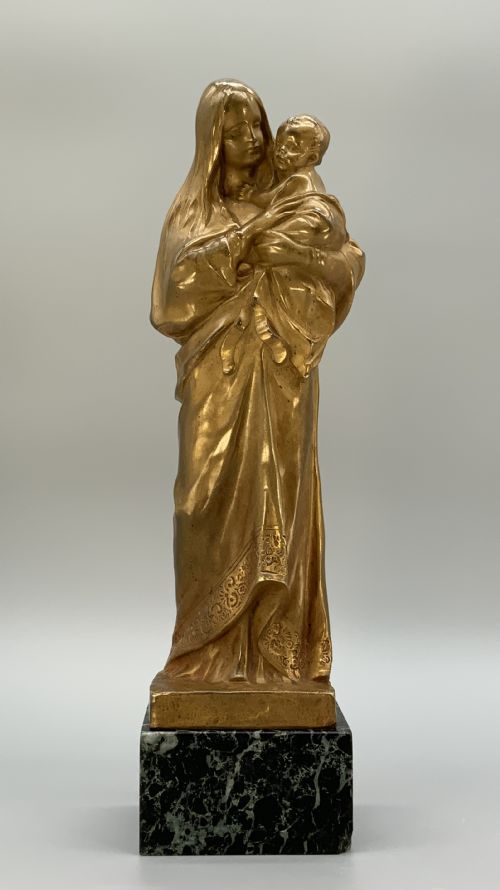
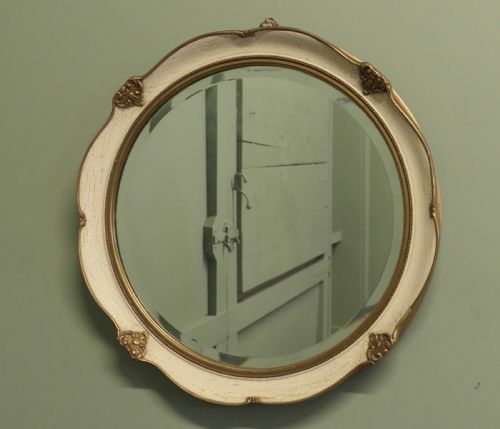
Sculptural pieces utilise cast bronze, while framed works and mirrors rely on carved wood and gilt metal elements.
Decorative Gilt Art Retail Price Guide 2026
Typical asking prices for decorative gilt art among the pieces listed under this phrase on Sellingantiques today, from the lower quarter to the upper quarter. They describe what is for sale here now, not the wider market.
Current listings feature items from the eighteenth, nineteenth and twentieth centuries, utilising gold leaf, porcelain, bronze and wood.
Assessing quality and execution
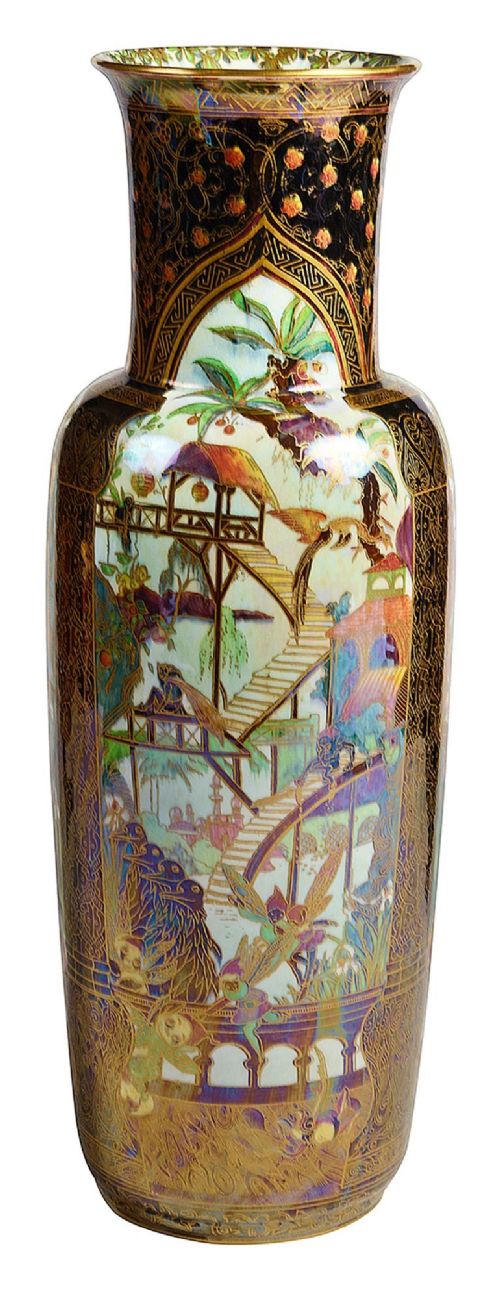
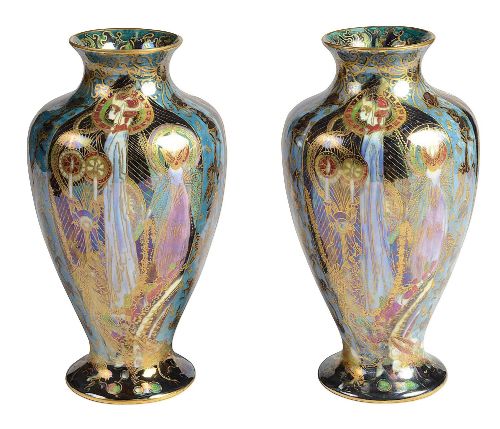
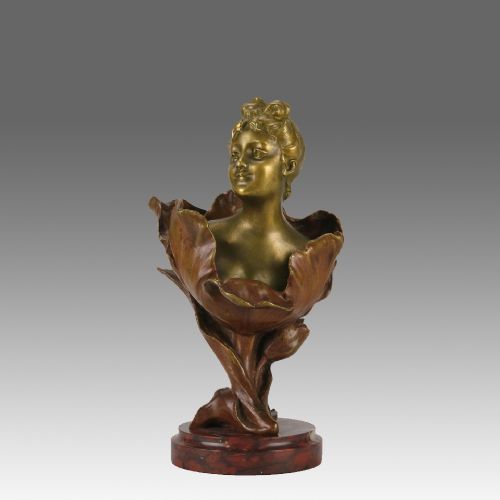
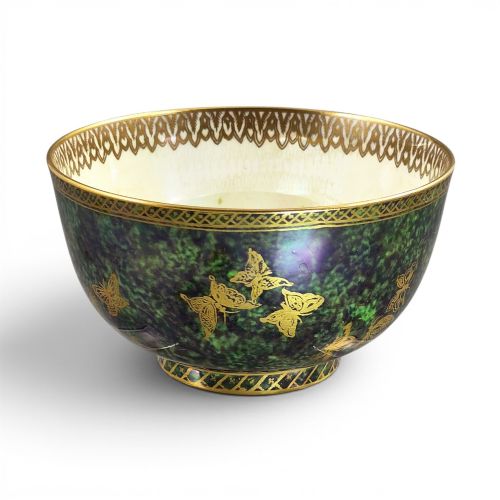
The distinction between tiers rests upon the precision of the handwork, whether in the fine detailing of a bronze bust, the complexity of a Fairyland lustre glaze, or the carving depth of a wooden frame.
Integration between the artwork and its gilded mount also dictates standard, where cohesive design elevates the entire object.
Daisy Makeig Jones·Hans Müller·Henri Godet·Abel Landry·John Faber Snr·Theodore Jensen·Manpei Kobe·Thomas Webb
The Decorative Gilt Art Glossary
- Gilt
- Covered thinly with gold leaf or gold paint. This technique provides the signature metallic sheen found across frames, bronzes and ceramics.
- Lustre glaze
- A type of ceramic glaze that imparts an iridescent metallic gloss. It creates shimmering, multicoloured effects on pottery surfaces.
- Champlevé
- An enamelling technique where troughs are carved into metal and filled with vitreous enamel before firing. It appears frequently on decorative metalwork and clock cases.
- Japanned
- A style of European decorative finishing that emulates East Asian lacquerware. It involves layering resin varnishes on substrates like papier-mâché.
Decorative Gilt Art: Frequently Asked Questions
What periods do these pieces cover?
The selection spans from the eighteenth century through the Victorian and Edwardian eras into the early twentieth century.
Pieces reflect distinct stylistic shifts including Georgian, Regency, Art Nouveau and Art Deco designs.
How do I care for gilt surfaces?
Gilt surfaces require gentle dusting with a soft, dry cloth to prevent abrasion of the delicate gold leaf.
Avoid moisture, chemical cleaners and direct sunlight, which can degrade metallic finishes and underlying materials over time.
What materials are most common?
Gold leaf, porcelain, bronze, wood and glass appear frequently across the various object types.
Many items combine multiple media, such as oil paintings housed within elaborately carved giltwood frames.
How are ceramic pieces decorated?
Ceramics often feature lustre glazes, enamel work and hand-painted motifs executed by prominent designers.
Techniques such as Fairyland lustre combine vibrant coloured backgrounds with intricate gold tracery and imaginative scenes.