

Decorative Framed Painting
These decorative framed painting examples span centuries of skilled artistry, offering interior focal points that bring period character to any room.
Decorative Framed Painting
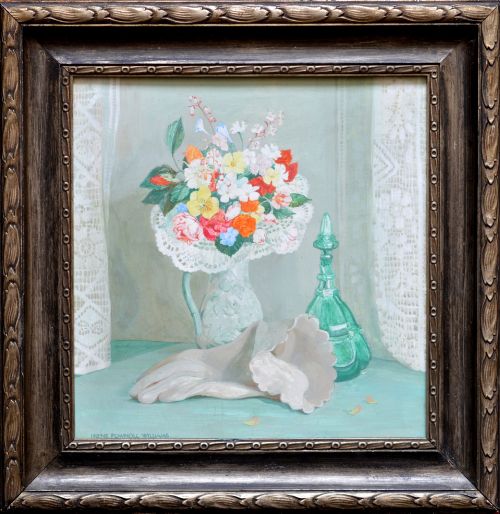
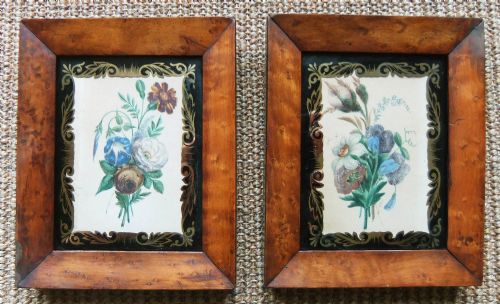
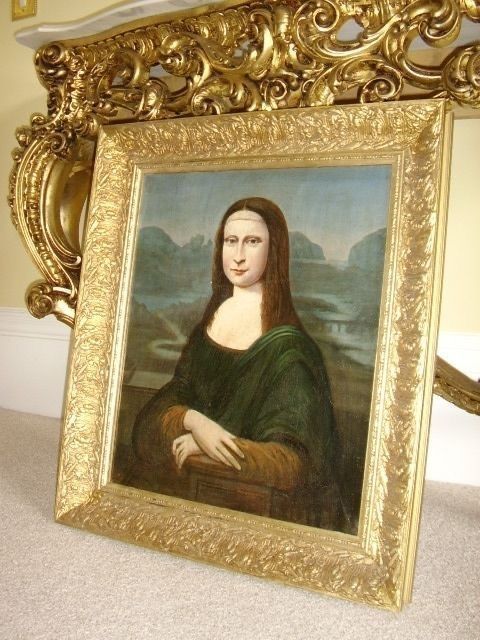
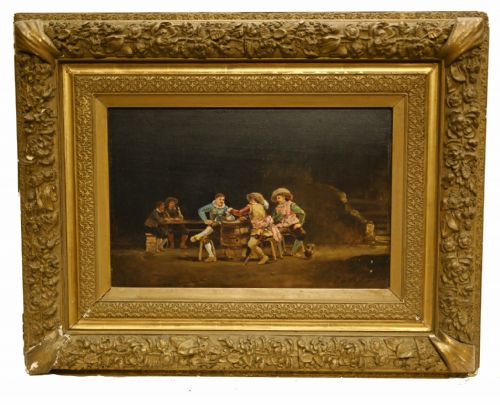
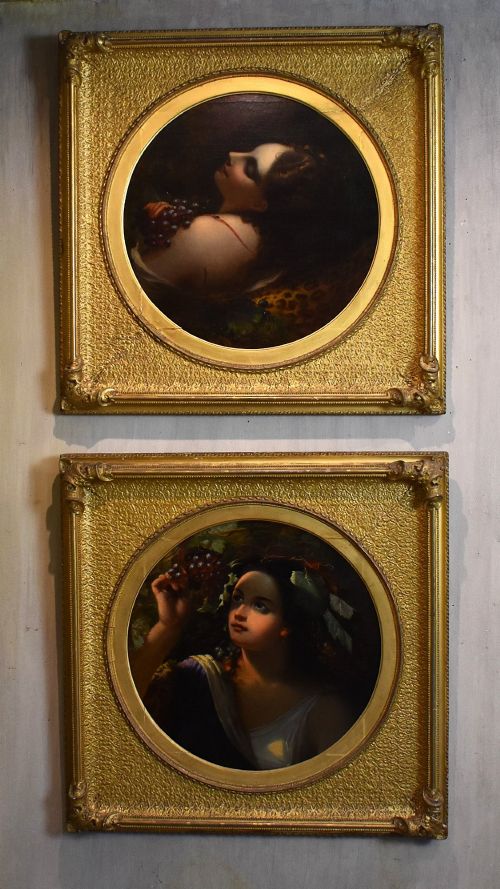
A decorative framed painting brings together historical canvases, panels and works on paper encased in period surrounds, spanning the eighteenth through the mid twentieth centuries. Buyers seeking a decorative framed painting encounter diverse subjects, ranging from serene woodland scenes and tavern gatherings to classical portraits and intricate botanical studies.
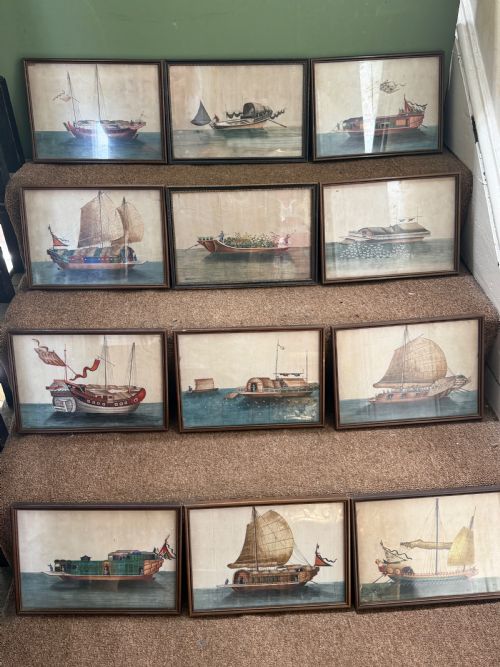
The selection encompasses oil paintings, tempera works, gouache watercolours and pastels, often housed within giltwood, gesso or carved wood frames. These pieces originate from various European and Asian traditions, including French rococo, Chinese export and traditional Victorian styles.
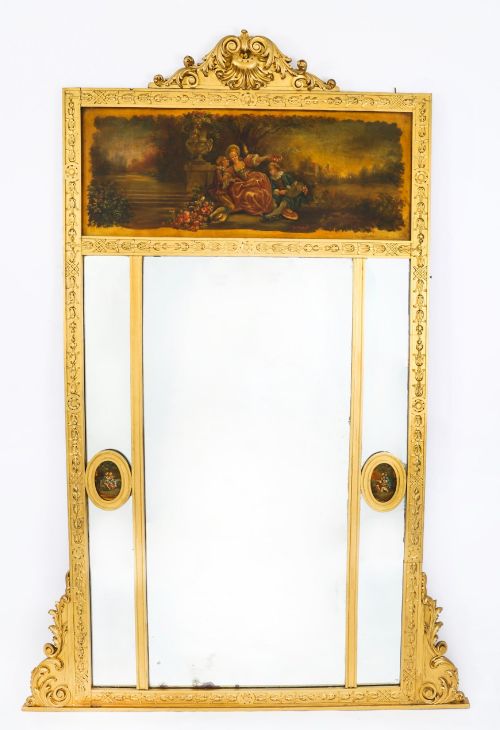
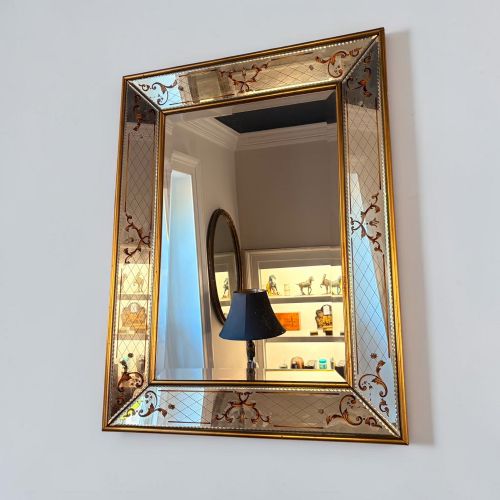
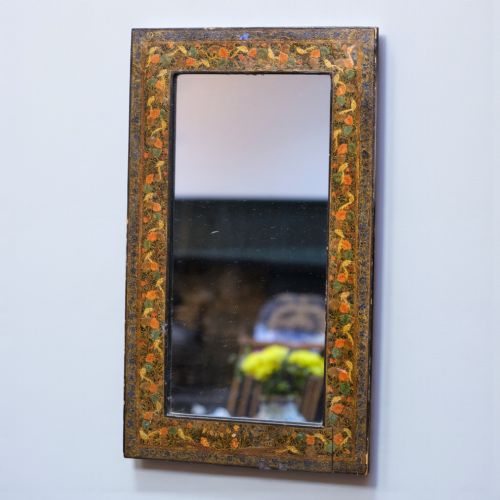
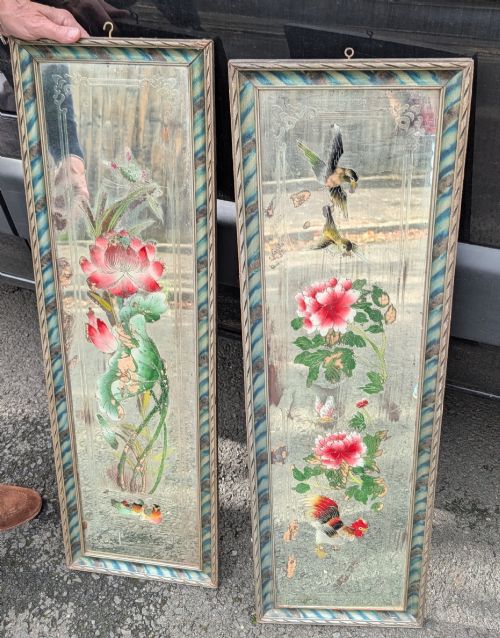
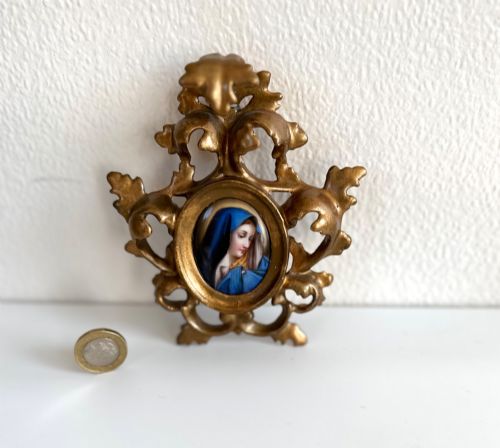
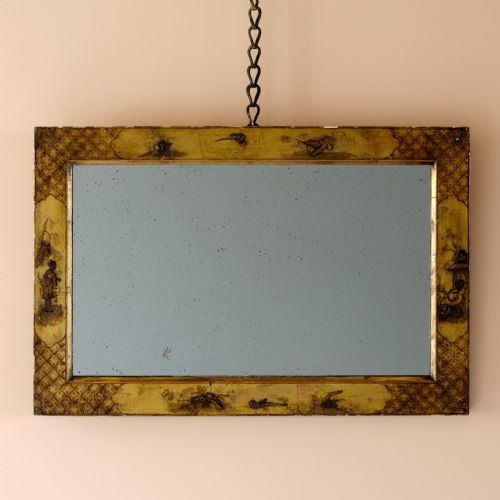
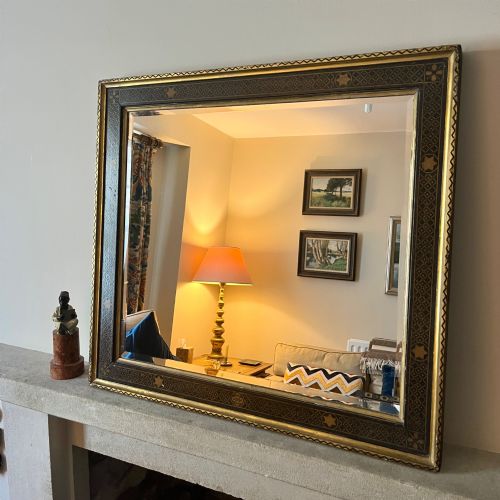
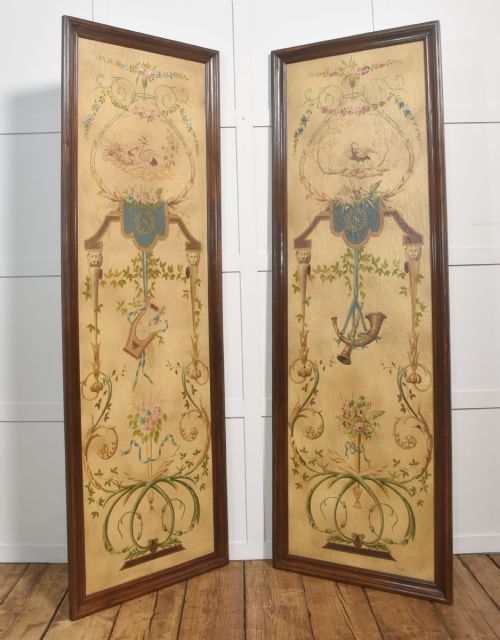
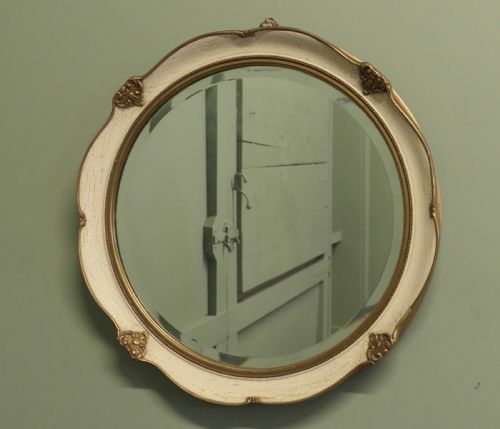
Beyond standard wall art, the category includes painted mirrors, architectural panels, and miniature portraits set within elaborate metal or wooden surrounds. Such works function simultaneously as pictorial art and decorative wall furniture, reflecting the aesthetic priorities of their respective periods.
How They Were Made
Artisans applied oil, tempera, gouache, or pastel onto prepared surfaces of canvas, wood panels, paper, or silk. These painting techniques required steady hands and traditional pigment mixtures derived from minerals and plants.
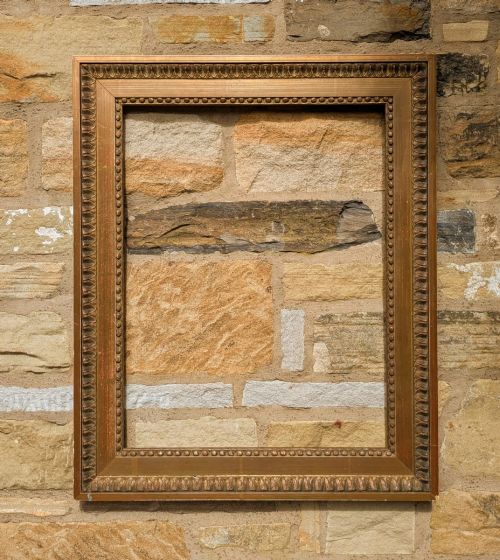
Frames and structural surrounds utilised wood, gesso, brass, and glass, often finished with applied gilding or painted decoration. Carvers shaped timber mouldings with egg and dart or beaded patterns before applying gold leaf or coloured pigments.
Specialised techniques such as trompe l'oeil, Chinoiserie lacquering, and reverse glass painting required meticulous execution. Craftspeople combined structural joinery with delicate surface decoration to ensure the framed works survived centuries of handling.
Decorative Framed Painting Retail Price Guide 2026
Typical asking prices for decorative framed painting among the pieces listed under this phrase on Sellingantiques today, from the lower quarter to the upper quarter. They describe what is for sale here now, not the wider market.
The documented object types range from wall mirrors and oil paintings to architectural salvage, painted fans, and delicate miniature portraits.
What Varies in Quality
The refinement of the painted brushwork dictates the primary visual impact of each piece, distinguishing hurried commercial output from careful artistic execution. Masterful handling of light, shadow, and proportion separates ordinary works from exceptional examples.
Frame construction and material purity heavily influence overall integrity, separating solid hand-carved giltwood mouldings from simpler cast or composite alternatives. The harmonious relationship between the artwork and its surrounding frame demonstrates the maker's original intent and aesthetic coordination.
Irene Christobelle Pownoll Williams·Theodore Jensen·John A Monteith·John Wallace
The Decorative Framed Painting Glossary
- Giltwood
- Wood that has been coated with a thin layer of gold leaf or gold powder. This finish was extensively utilised on ornate eighteenth and nineteenth-century frames.
- Gesso
- A plaster mix applied to wood or canvas as a smooth base for painting or gilding. It provides a stable surface that accepts intricate carved detail.
- Trumeau
- An architectural mirror or panel featuring an upper painting combined with a lower looking glass. These were designed to fit between windows in formal rooms.
- Gouache
- An opaque water-based medium producing vibrant matte colours on paper or silk. It was frequently employed for detailed miniatures and export watercolours.
Decorative Framed Painting: Frequently Asked Questions
How do I date a decorative framed painting?
Dating relies on examining the materials of both the artwork and the frame, such as the weave of the canvas, the composition of the gesso, and the style of the wood moulding. Stylistic markers within the painted scene also offer clear clues to the period of origin.
Familiarising yourself with historical framing techniques helps distinguish original pairings from later replacements. Secondary elements like backing boards and fixings often provide further chronological context.
Where should I hang a framed painting?
These pieces suit principal reception rooms, hallways, and studies where adequate wall space allows them to act as focal points. Avoid direct sunlight and areas of high humidity to protect fragile pigments and wooden frames.
Pairing a painted panel or mirror with period furniture enhances the overall aesthetic balance of an interior. Secure fixings suited to the specific weight of the frame and wall type are essential.
Are frames usually original to the paintings?
Many works retain their original frames, particularly when the moulding style and dimensions complement the artwork perfectly. However, frames were frequently updated in subsequent eras to match changing interior tastes.
Matching joinery wear and patination between the art and surround usually indicates a long association. Expert evaluation can determine whether the frame and painting share the same historical period.
How do I care for antique painted panels?
Maintenance requires keeping pieces in stable environmental conditions away from extreme temperature fluctuations and moisture. Dusting should be performed gently with a soft, dry brush without applying chemical cleaners.
Glass fronts protect delicate watercolours and pastels from atmospheric pollution and physical contact. Oil paintings on canvas benefit from occasional professional inspection to monitor the stability of the paint surface.