





Decorative Floor Rug
A decorative floor rug brings warmth and historic pattern to a room, grounding the space with wool pile and traditional weave.
Decorative Floor Rug
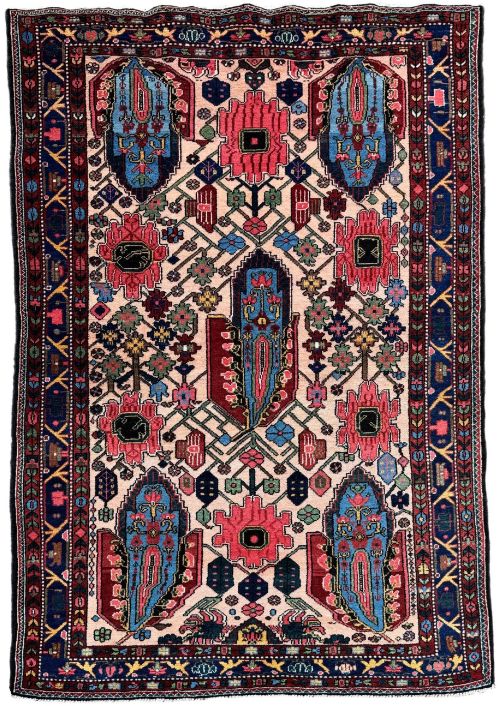
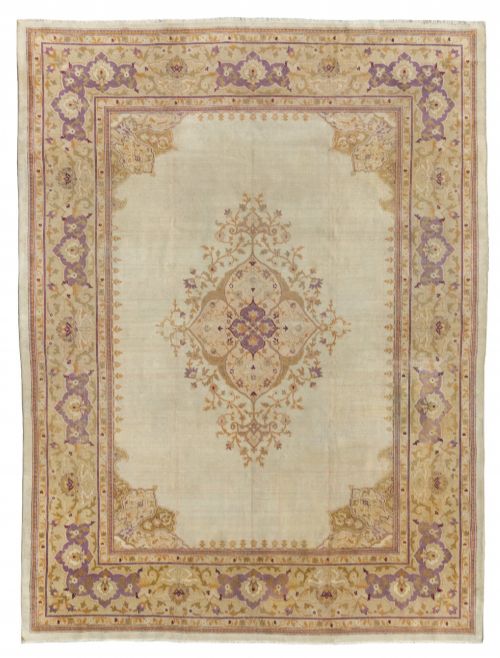
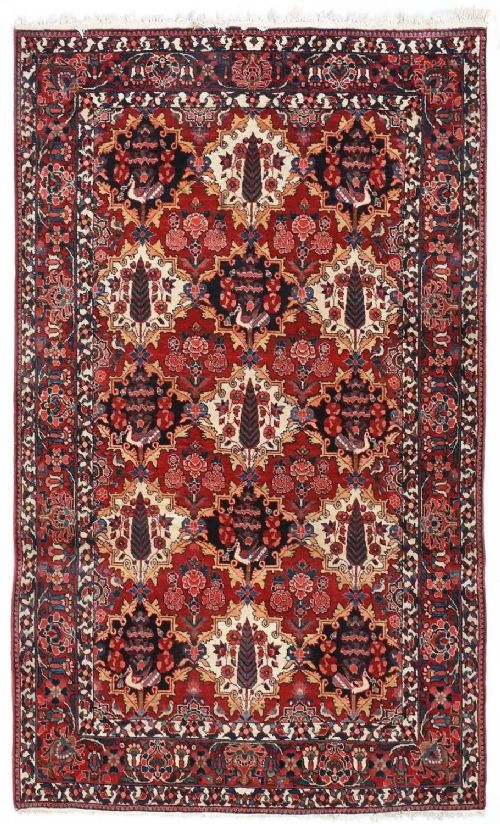
A decorative floor rug is a woven textile intended for foot traffic and room enhancement, spanning origins from Persia, Turkey, India, and Eastern Europe. These floor coverings arrive in various scales, from compact area rugs to large room-size carpets woven across the nineteenth and twentieth centuries.
Evaluating the Weave
Quality rests in the precision of the knotting density, the clarity of the traditional motifs, and the integrity of the wool pile across the field. Superior examples maintain structural soundness in the foundation alongside balanced, harmonious dye distribution.
Wear patterns and past restoration work differentiate individual rugs, as uneven pile reduction or heavy fibre degradation alters the overall presentation. The strength of the outer edges and the crispness of the geometric or floral design elements dictate the standing of each piece.
Decorative Floor Rug Retail Price Guide 2026
Typical asking prices for decorative floor rug among the pieces listed under this phrase on Sellingantiques today, from the lower quarter to the upper quarter. They describe what is for sale here now, not the wider market.
The Decorative Floor Rug Glossary
- Pile
- The upright cut or looped yarn forming the surface texture of a carpet. This soft upper layer absorbs foot traffic and displays the woven design.
- Warp
- The stationary vertical threads stretched onto a loom before weaving begins. These parallel strands form the foundational skeleton supporting the entire structure.
- Kilim
- A flat-woven carpet produced without a raised pile surface. These textiles utilise interlocking or slit-weave techniques to create sharp geometric patterns.
- Kelleh
- A specific rectangular carpet format that is longer than a standard area rug but narrower than a full room-size carpet. This traditional proportion suits hallways and narrow spaces.
- Field
- The central background area of a rug enclosed by the decorative borders. This primary space usually displays the core medallions or repeating motifs.
Decorative Floor Rug: Frequently Asked Questions
Where should I place a large antique carpet?
Large antique carpets suit principal reception rooms and dining spaces where furniture can sit comfortably upon the field. Ensure adequate clearance around the borders to display the outer guard stripes.
Position the rug away from direct, harsh sunlight to protect natural dyed wools from fading unevenly over the years.
How do I clean an old wool rug?
Gentle vacuuming without a rotating power brush removes embedded dust from the wool pile safely. Professional specialist cleaning remains essential for deep washing to prevent dye migration.
Avoid soaking the cotton foundation or using harsh chemical detergents that strip natural oils from the wool fibres.
What is the difference between a kilim and a carpet?
Kilims are flat-woven textiles without a raised pile, created by tightly interweaving warp and weft threads. Carpets feature a dense vertical pile of knotted wool standing above the foundation.
This structural distinction gives kilims a lighter, thinner profile compared to the plush texture of a heavy knotted carpet.
How do I date a woven rug?
Dating relies on stylistic analysis of the border motifs, regional colour palettes, and structural characteristics visible in the foundation weave. Comparing specific floral or geometric patterns to documented regional outputs narrows the period of origin.
Physical inspection of the hand-spun wool and dye types provides further clues regarding nineteenth or early twentieth-century manufacture.