



Decorative Firedogs
Decorative firedogs anchor an open hearth with sculptural weight, bringing bronze, brass and iron into the main line of sight.
Decorative Firedogs
Decorative firedogs, also known as andirons or chenets, are heavy metal supports placed inside a fireplace to hold logs above the hearth floor for better airflow. When searching for decorative firedogs, buyers encounter pairs formed from cast iron, brass, wrought iron, and bronze.
The pieces appearing on this page span several centuries, with examples originating from the eighteenth, nineteenth, and twentieth centuries. Styles range from French Rococo and Baroque revivals to American folk art and Arts and Crafts designs.
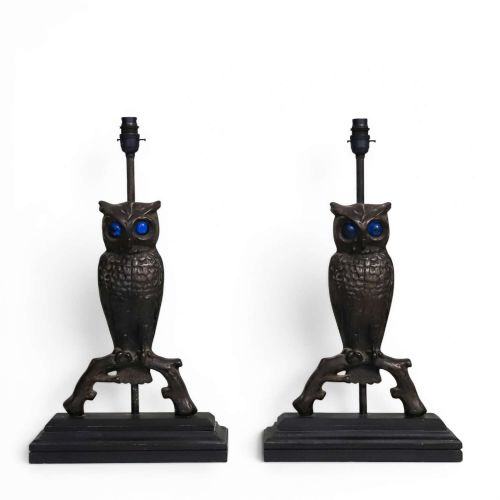
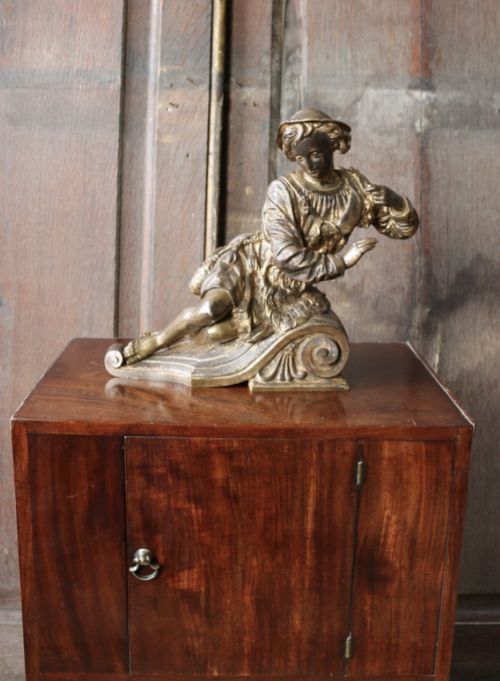
Beyond standard hearth furniture, some listings show these objects adapted into other domestic items, such as table lamps or individual statuettes. Most examples are matched pairs designed to sit symmetrically at either side of the fireplace opening.
How they were made
Metalworking techniques for these pieces rely heavily on casting and forging, utilising brass, iron, and bronze. Founders poured molten brass and iron into moulds to create ornate figural fronts, while blacksmiths forged wrought iron and steel into sturdy support billets.
Gilding and ormolu mounting added decorative surface detail to high-status eighteenth and nineteenth-century examples. Artisans combined these techniques to produce both functional hearth furniture and sculptural ornaments.
Decorative Firedogs Retail Price Guide 2026
Typical asking prices for decorative firedogs among the pieces listed under this phrase on Sellingantiques today, from the lower quarter to the upper quarter. They describe what is for sale here now, not the wider market.
Design styles represented in current inventory include French Rococo, Baroque revival, Neoclassical, American folk art, and Arts and Crafts.
What varies in quality
The choice of materials also dictates the standard of the piece, with heavy gilt bronze and ormolu mounts indicating higher production costs than standard cast iron. Structural integrity in the wrought iron and steel components determines whether the object remains fit for heavy hearth use or serves purely as a decorative ornament.
The Decorative Firedogs Glossary
- Firedog
- A metal support for holding wood in a fireplace, typically consisting of an upright decorative front and a horizontal bar behind. These objects are also frequently called andirons.
- Andiron
- An alternative term for a firedog, used interchangeably in British and American inventories. They usually appear in matched pairs.
- Chenet
- The French term for a firedog or andiron, often applied specifically to decorative pieces in styles such as French Rococo or Neoclassical. They frequently feature gilt bronze or ormolu mounts.
- Ormolu
- Finely ground high-carat gold applied to a bronze base, commonly used on eighteenth and nineteenth-century hearth ornaments. This technique creates a rich, bright golden surface.
- Billet bar
- The horizontal iron bar extending backward from the decorative front of the firedog to support the burning logs. This structural part bears the direct heat of the fire.
Decorative Firedogs: Frequently Asked Questions
What is the difference between firedogs and andirons?
Firedogs and andirons are different names for the exact same functional hearth objects. Regional preferences often dictate which term appears in a description.
Both items consist of a decorative vertical front and a horizontal support bar for wood. Collectors use the terms interchangeably when browsing inventory.
Can these metal pieces still be used in an active fireplace?
Many sturdy cast iron and wrought iron examples remain structurally suitable for holding logs in an open hearth. Heavy metal construction allows them to withstand high temperatures.
Finer pieces featuring delicate gilt bronze or converted lamp fittings are generally reserved for decorative display rather than active fires.
How do I identify the period of a pair?
Dating relies on examining the prevailing style, such as Baroque revival, French Rococo, or Arts and Crafts, alongside manufacturing marks and wear patterns. Eighteenth-century examples often utilise gilt bronze and hand-chased details.
Nineteenth-century Victorian pieces frequently show heavier brass casting and revivalist ornamentation. Twentieth-century items introduce modern steel work and folk art forms.
Why are some sold as single items instead of pairs?
Pairs occasionally become separated over centuries of use, or individual pieces get adapted into standalone objects like table lamps or cabinet sculptures. Surviving single statuettes still function as decorative fireplace ornaments.
Matched pairs remain the standard format for flanking a hearth opening symmetrically.