







Decorative Fire Fender
A decorative fire fender frames the hearth with metalwork, protecting the room and finishing the fireplace.
Decorative Fire Fender
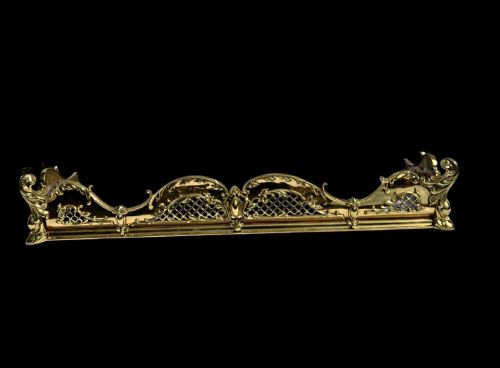
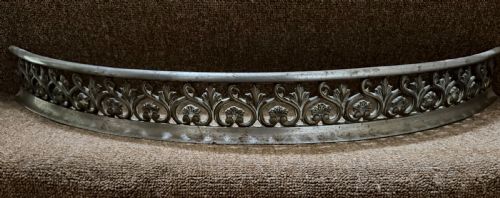
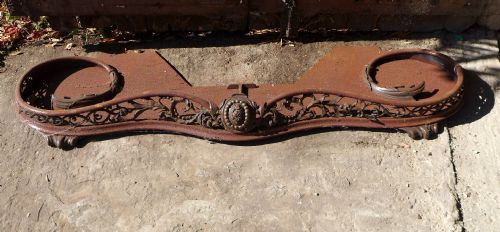
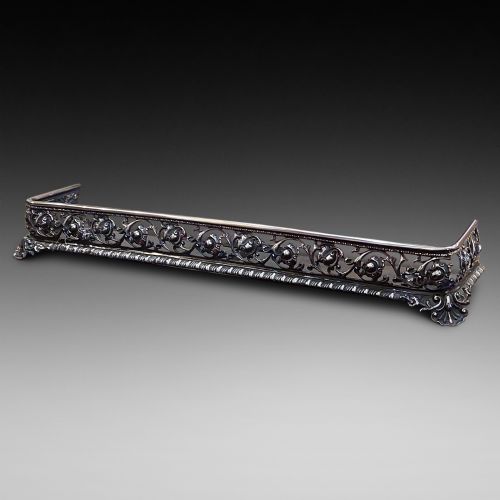
A decorative fire fender sits upon the floor around the hearth, forming a low barrier between the open fire and the room. These pieces appear in forms such as fireplace fenders, kerbs, and grates with surrounds.
The versions most commonly met on this page date from the Victorian and Edwardian periods, alongside 19th-century examples. Materials span brass, steel, cast iron, copper, iron, and bronze.
Makers and designers drew upon Victorian, Art Nouveau, Rococo Revival, Georgian, Regency, and 17th-century styles. Pieces range from small pierced brass designs to serpentine fronts in steel and copper.
How they were made
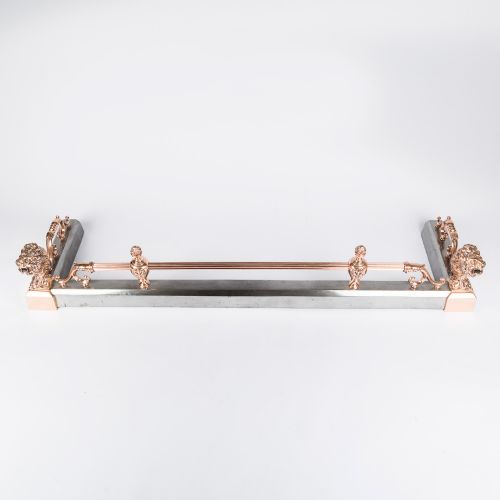
Makers utilised metals such as brass, steel, and cast iron, often combining materials within a single fender like steel and copper or brass and bronze. Cast iron and wrought iron provided structural strength for heavy hearth surrounds.
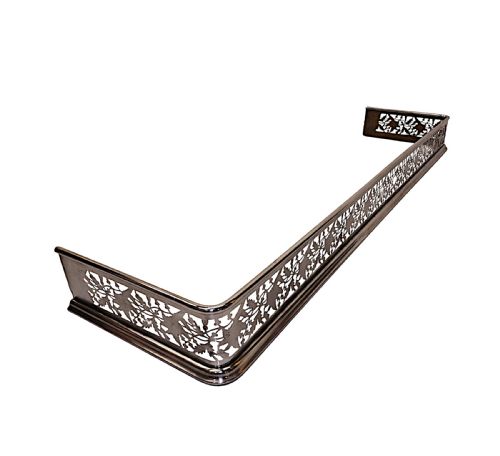
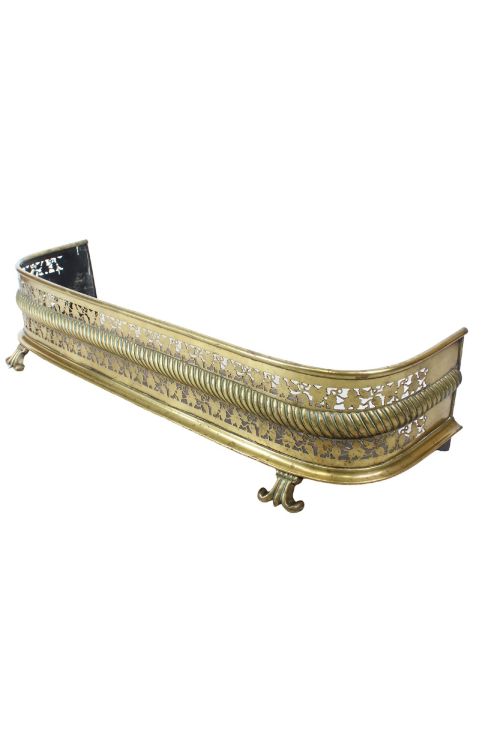
Decoration relied on piercing sheet metal or casting molten metal into detailed classical and organic shapes. Pierced brass kerbs required careful hand-sawing or punching of repetitive patterns.
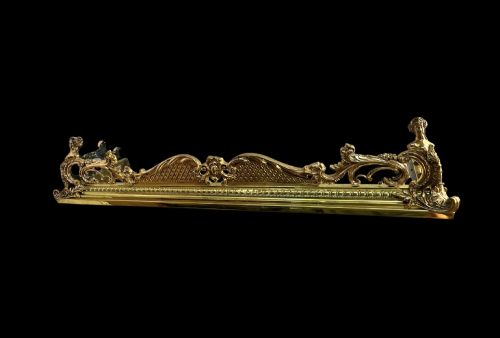
Finishes varied from polished brass and bright copper to black finishes applied over steel and iron. Fine casting produced the crisp classical details seen on early 19th-century curbs.
Decorative Fire Fender Retail Price Guide 2026
Typical asking prices for decorative fire fender among the pieces listed under this phrase on Sellingantiques today, from the lower quarter to the upper quarter. They describe what is for sale here now, not the wider market.
Gate fronted brass fire guards open up like little metal gates, making tending the coal fire feel slightly like operating a medieval drawbridge.
What varies in quality
The refinement of the metalwork defines the upper tier of these pieces. Finely cast classical ornament and crisp, clean piercing on a brass kerb separate superior work from simpler stamped production.
Material combination and weight indicate standard. Solid cast iron and heavy gauge brass or steel command attention compared to lighter gauge alternatives.
The coherence of the style dictates the visual success of the piece. Integrated design across Art Nouveau whiplash curves or restrained Regency lines distinguishes the best examples.
The Decorative Fire Fender Glossary
- Fender
- A low metal guard placed around the base of a fireplace to contain ash and embers. It creates a physical boundary on the hearth.
- Kerb
- An alternative term for a fire fender, often used interchangeably in antique listings. It denotes the low stone or metal border of a hearth.
- Pierced
- Metal decorated by cutting or punching holes through the surface to create patterns. This technique appears frequently on Victorian brass fenders.
- Serpentine
- A curved front shape that sweeps inward and outward in a gentle wave. George III examples often utilise this graceful outline.
- Fireback
- A heavy cast iron plate placed at the back of a fireplace to reflect heat and protect the masonry. It sometimes accompanies grates and fenders in listings.
Decorative Fire Fender: Frequently Asked Questions
What is a decorative fire fender used for?
A decorative fire fender sits around the hearth to keep falling embers and ash contained within the fireplace opening. It acts as a low physical barrier for the hearth space.
Beyond safety, these metal surrounds frame the fireplace, adding architectural detail and metal texture to the room's interior scheme.
How do I date a metal fire fender?
Dating relies upon identifying the prevailing style, manufacturing techniques, and materials used in the construction. Victorian and Edwardian pieces often display characteristic ornament.
Early pieces from around 1800 frequently show classical cast motifs and serpentine fronts, while 1900 items introduce organic Art Nouveau lines.
Are brass fenders magnetic?
Solid brass fenders are non-magnetic because brass is an alloy of copper and zinc. However, iron or steel components within the same fender will attract a magnet.
Many antique pieces combine multiple metals, such as a brass outer frame with an iron or steel inner base.
How do I clean an antique brass fender?
Cleaning depends on the desired finish and the age of the metal surface. Gentle dusting removes loose debris from pierced patterns.
Avoid harsh chemical dips that strip historic patina, opting instead for mild cleaning agents suitable for antique brass and copper.