


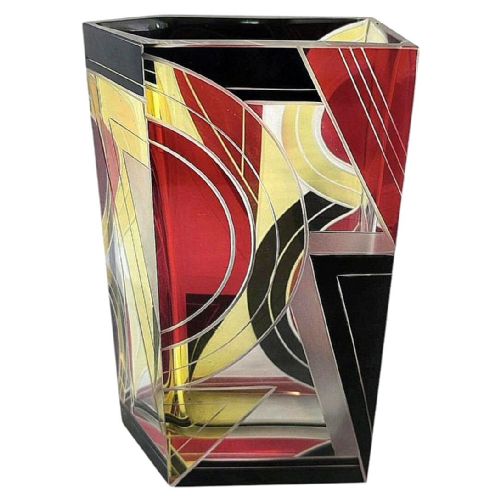


Decorative Enamel Art
Decorative enamel art brings together vibrant coloured glass fused to metal, ceramics or glass, offering rich tactile surfaces that brighten any interior space.
Decorative Enamel Art
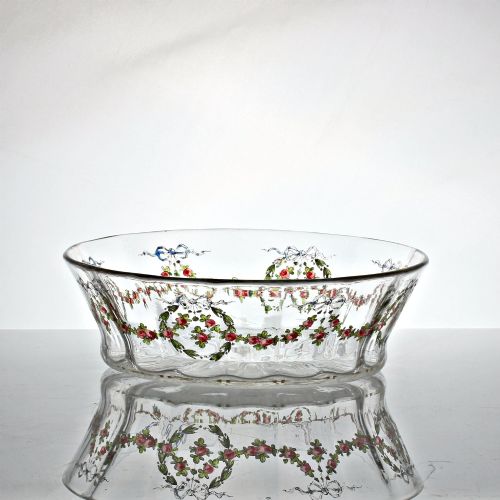
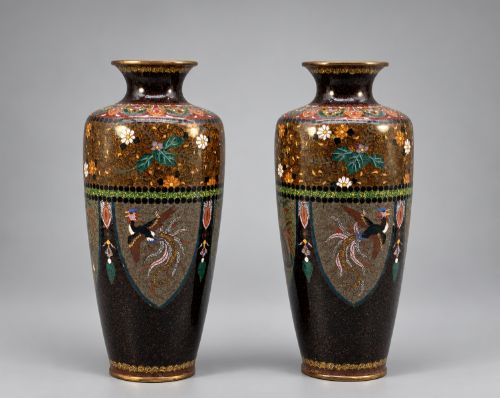
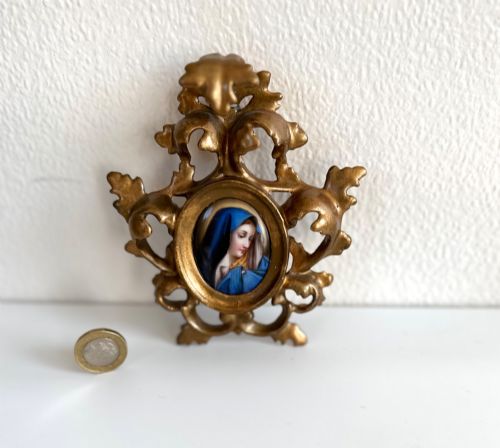
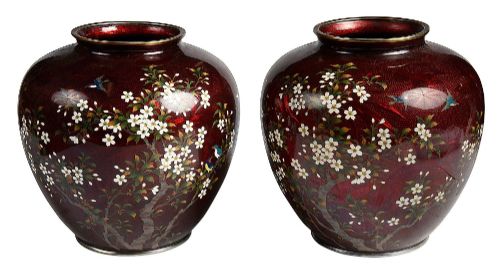
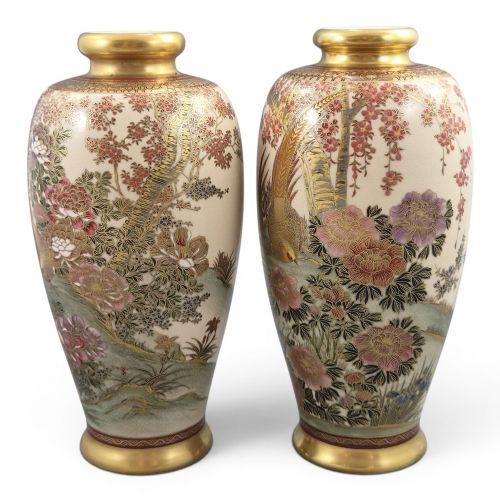
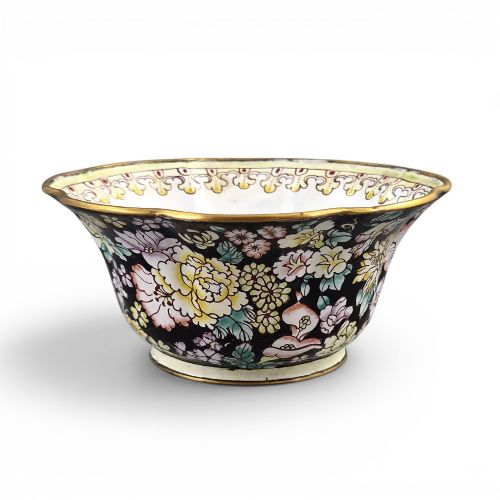
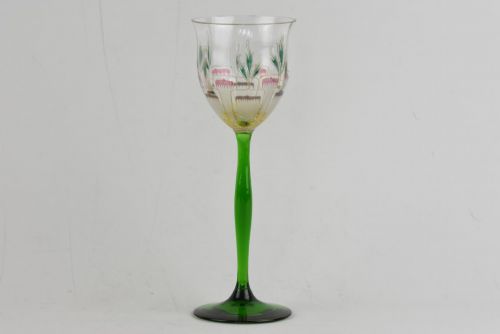
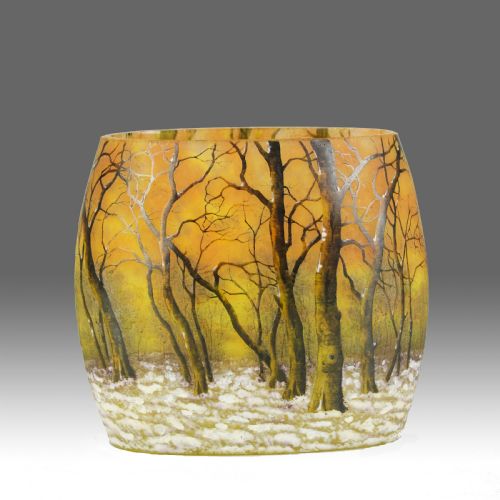
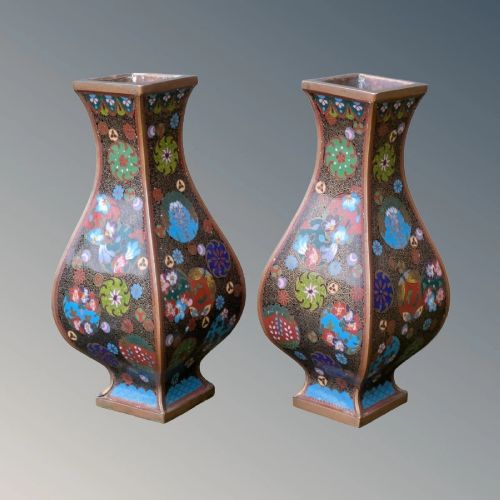
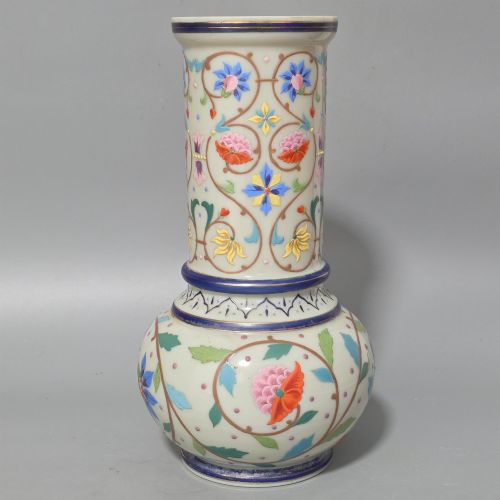
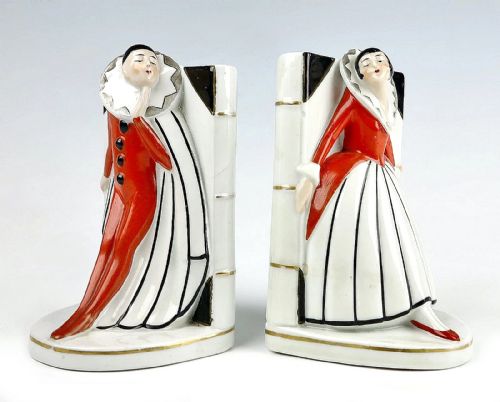
Decorative enamel art spans a rich array of objects from the nineteenth and early twentieth centuries, encompassing diverse aesthetic movements. When buyers search for decorative enamel art, they encounter everything from miniature painted portraits to large display vessels. The pieces on this page originate predominantly from Japanese Meiji workshops, European glass houses, and Victorian studios.
Vessels form the core of what you will discover here, featuring vases, lidded ginger jars, and expansive chargers. Alongside these hollowware forms, you meet decorative boxes, tiles, and framed paintings on copper plates. Each object demonstrates the enduring appeal of vitreous glass fused onto a supportive substrate.
Materials and methods
Craftsmen built these pieces using metal bases such as copper, bronze, brass, and steel, alongside ceramic and glass bodies. Molten glass powder, tinted with metallic oxides, was applied to these surfaces and fired in a kiln to produce a permanent vitreous coating. Artisans frequently integrated gold leaf, silver wire, and applied cabochons to heighten the visual depth of the design.
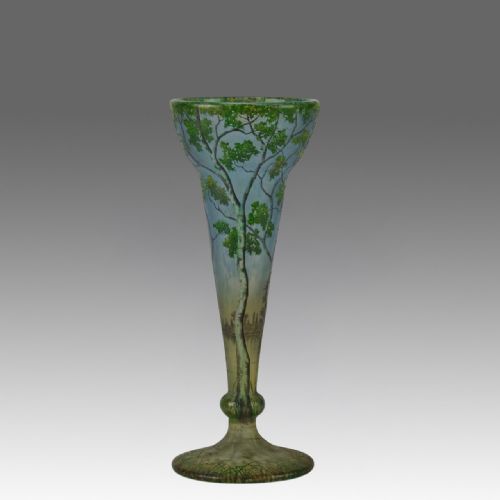
Techniques varied widely according to regional traditions, encompassing cloisonné wirework, champlevé troughs, painted Limoges enamels, and cameo glass etching. Japanese makers relied heavily on intricate wire cells to separate distinct coloured glazes, while European glassmakers painted directly onto blown vessel walls with enamels and gold leaf.
Decorative Enamel Art Retail Price Guide 2026
Typical asking prices for decorative enamel art among the pieces listed under this phrase on Sellingantiques today, from the lower quarter to the upper quarter. They describe what is for sale here now, not the wider market.
Markers of distinction
Quality in these pieces rests upon the precision of the execution and the ambition of the design. Superior examples display meticulous attention to detail, whether in the tightness of wire cells on a Japanese charger or the smooth gradation of colour on an Art Nouveau glass vase. Lesser pieces often exhibit uneven firing, dull glaze surfaces, or careless line work.
The sophistication of the palette and the complexity of the motif separate exceptional works from standard decorative items. Master makers achieved remarkable clarity in their glass formulas and great restraint in their compositions, ensuring the decorative effect feels resolved rather than crowded.
Daum Freres·Thomas Webb·Karl Palda·Legras
The Decorative Enamel Art Glossary
- Cloisonné
- A metalwork technique where thin wires are soldered onto a base to form compartments filled with enamel paste before firing.
- Champlevé
- A method where troughs or cells are carved directly into a thick metal plate and filled with enamel powder.
- Cameo Glass
- Glass vessels created by layering two or more opaque colours and carving away the outer strata to reveal the design.
- Limoges Enamel
- Painted enamel panels produced in France, typically depicting figural scenes with fine brushwork over a dark copper ground.
Decorative Enamel Art: Frequently Asked Questions
How do I clean antique enamel?
Dust these pieces gently with a soft, dry cloth to prevent scratching the glass surface. Avoid liquid cleaners, chemical solvents, or prolonged immersion in water, which can damage exposed metal mounts or delicate applied pigments.
Keep items out of direct sunlight to preserve the vibrancy of the coloured glazes. Handle vessels by their bodies rather than delicate rims or handles.
Are these pieces waterproof?
Most antique enamel items are designed purely for display and should not hold water. Moisture can seep into underlying metal seams or porous ceramic bodies, causing corrosion or crazing over time.
If you wish to display fresh stems inside a vase, place a small, hidden glass tube inside the vessel. This protects the historic interior from moisture damage.
How do I date Japanese cloisonne?
Pieces from the late Edo period and early Meiji era often feature heavier copper wires and dense, muted colour palettes. Later Meiji and Taisho items tend to utilise finer silver wires and more naturalistic, pictorial compositions.
Examine the base of the vessel for workshop signatures or marks, though many fine export pieces remain unmarked. The weight and patina of the exposed metal provide further clues to the manufacturing decade.
What is tottei shippo?
Totai shippo is an uncommon Japanese technique where cloisonne enamel is fused directly onto a ceramic or porcelain body. Artisans applied wire cells to the ceramic surface just as they would on a metal base.
This method combined the translucent qualities of porcelain with the rich decorative possibilities of enamel wirework. Survivoins from this tradition are scarce and highly prized by collectors.