

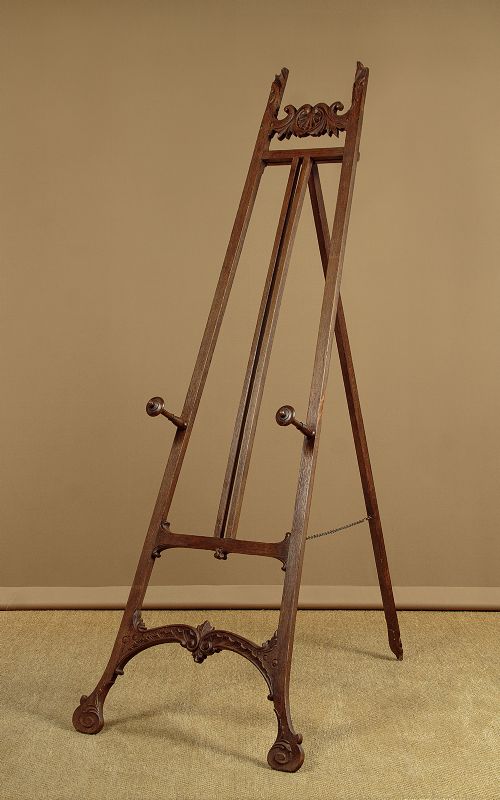


Decorative Easel Frame
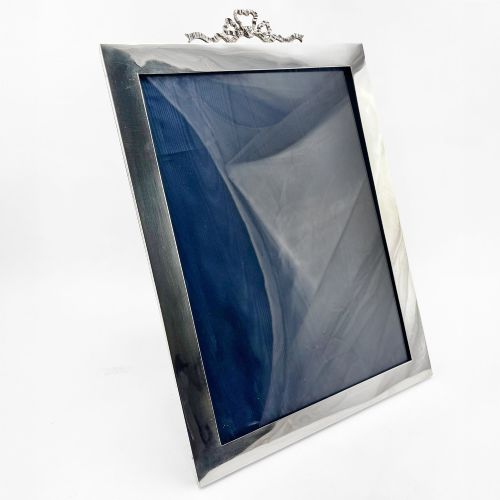
A decorative easel frame holds your portraits upright on a desk or mantelpiece, combining fine metalwork and precious inlays.
Decorative Easel Frame
When you search for a decorative easel frame, you encounter objects designed to display photographs and small pictures with built-in stands. These pieces range from compact tabletop frames to larger hinged pairs.
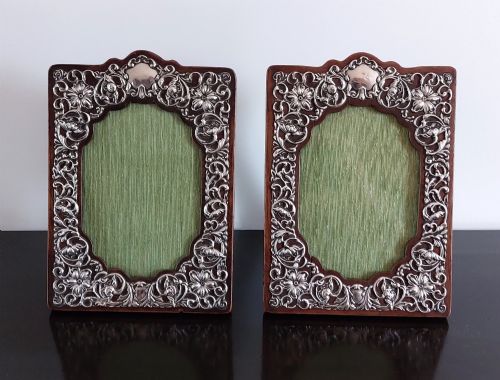
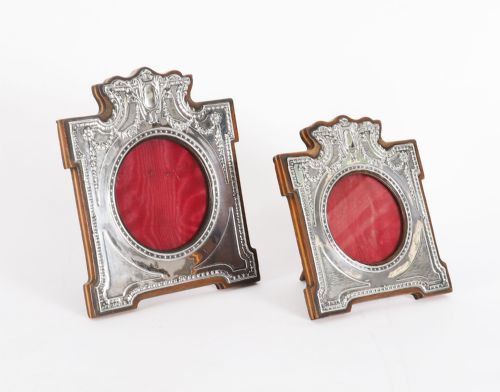
The versions most commonly met on this page date from the late nineteenth century and the Edwardian period, often employing sterling silver or ormolu mounts. They reflect the Victorian and Edwardian taste for ornate desk accessories.
Makers utilised various revival styles, including Louis XVI and Rococo, alongside Art Nouveau curves and Gothic Revival details. This variety ensures that each frame offers a distinct ornamental character.
Materials and construction methods
Craftsmen built these frames using sterling silver, gilded bronze, or carved oak as a structural base. These metals and timbers were frequently combined with glass panels and supportive wooden or metal backs.
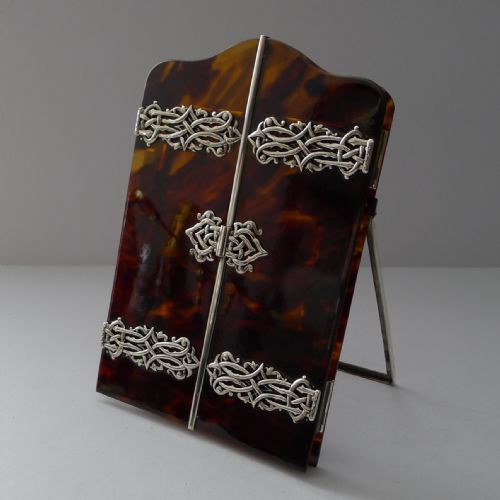
Makers incorporated tactile backings such as blue velvet and silk to cushion the interior photograph or mirror. Tortoiseshell, agate, and paste stones were also mounted onto the frames to enhance their visual texture.
Decorative Easel Frame Retail Price Guide 2026
Typical asking prices for decorative easel frame among the pieces listed under this phrase on Sellingantiques today, from the lower quarter to the upper quarter. They describe what is for sale here now, not the wider market.
Some frames include ingenious two-way hinges, proving that nineteenth-century desks were wonderfully equipped for indecisive portrait viewers.
Assessing quality in antique frames
Quality depends upon the crispness of the cast or carved detail and the weight of the metal used in the mount. Pieces with intricate chasing or well-defined Louis XVI revival motifs demonstrate superior workmanship.
The integration of precious secondary materials, such as genuine tortoiseshell or inset agate stones, elevates a piece above standard production. The preservation of original backing fabrics and functional hinges also marks a higher standard.
Mappin Bros
The Decorative Easel Frame Glossary
- Easel back
- A hinged prop attached to the reverse of a frame that allows it to stand upright on a flat surface. This structural addition distinguishes desk frames from wall-hanging mirrors and pictures.
- Ormolu
- Gilded bronze produced by applying a finely ground high-carat gold-mercury amalgam to a bronze object. The technique creates a rich golden finish seen on many nineteenth-century mounts.
- Sterling silver
- An alloy consisting of ninety-two point five percent silver and seven point five percent other metals, usually copper. This standard composition appears frequently in British photograph frames from the Victorian and Edwardian eras.
- Paste stone
- Faceted glass cut and polished to resemble precious gemstones. Makers set these stones into metal mounts to provide colourful sparkle without using genuine jewels.
Decorative Easel Frame: Frequently Asked Questions
What is a decorative easel frame?
A decorative easel frame is a small standing picture or photograph holder featuring a hinged rear prop. These pieces were designed for display on tables, desks, and mantelpieces.
They combine structural materials like sterling silver, ormolu, and carved oak with decorative elements such as paste stones and agate mounts.
How do I date a silver easel frame?
Dating typically relies on hallmarks stamped onto the silver mounts, which indicate the assay office and year of manufacture. Stylistic clues also help, as Edwardian and Victorian pieces exhibit distinct design motifs.
Late nineteenth-century examples often lean towards heavy revival styles, while early twentieth-century pieces frequently display Art Nouveau curves.
What materials were used for the backs?
Makers finished the reverse of these frames using supportive wooden panels covered in tactile textiles. Blue velvet and silk are common materials found on surviving examples.
These linings protected the inner photograph and provided a clean surface when the frame stood freestanding.
How should I clean my antique frame?
Careful dusting with a soft, dry cloth is usually sufficient for maintaining wooden and ormolu surfaces. Sterling silver mounts require gentle polishing with a dedicated cloth to avoid damaging surrounding materials.
Harsh chemical dips must be avoided, particularly near fabric backings, glass panels, and delicate inset stones like agate or tortoiseshell.