






Decorative Coffee Table
A decorative coffee table brings a distinct period surface into a modern room, offering low proportions and rich cultural detail.
Decorative Coffee Table
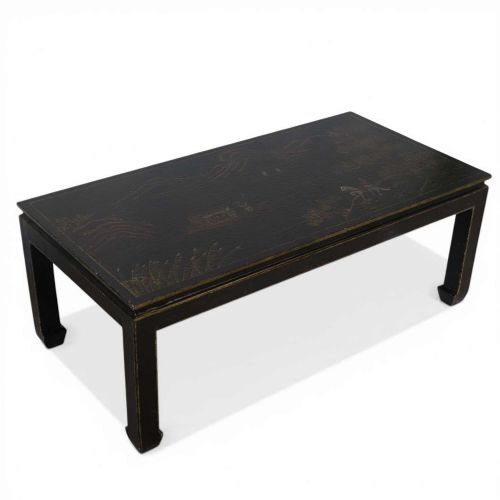
A decorative coffee table encompasses low forms, occasional tables, tray tables, and adapted benches from the nineteenth and early twentieth centuries. These pieces span Victorian, Regency, and early twentieth-century eras, often drawing on Chinoiserie, Anglo-Indian, and French styles.
The version most commonly met on this page is the low occasional or tray table, frequently featuring painted lacquer, inlaid marble, or engraved brass. Buyers encounter low formats designed for living spaces, including adapted window seats and tray tops on folding stands.
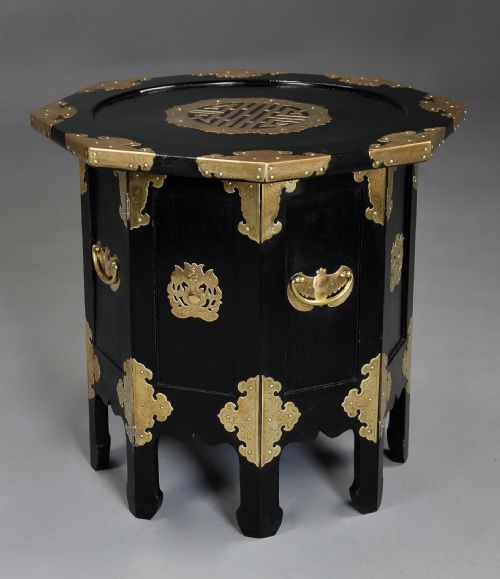
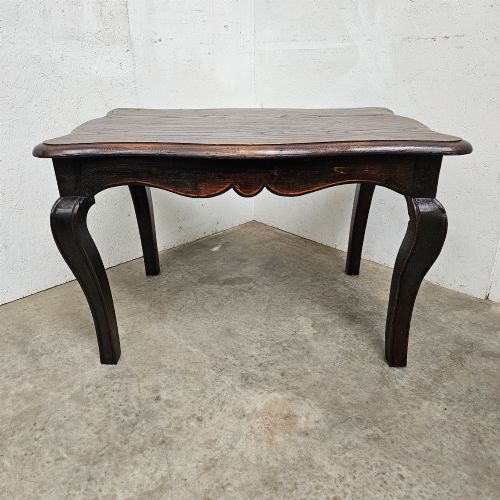
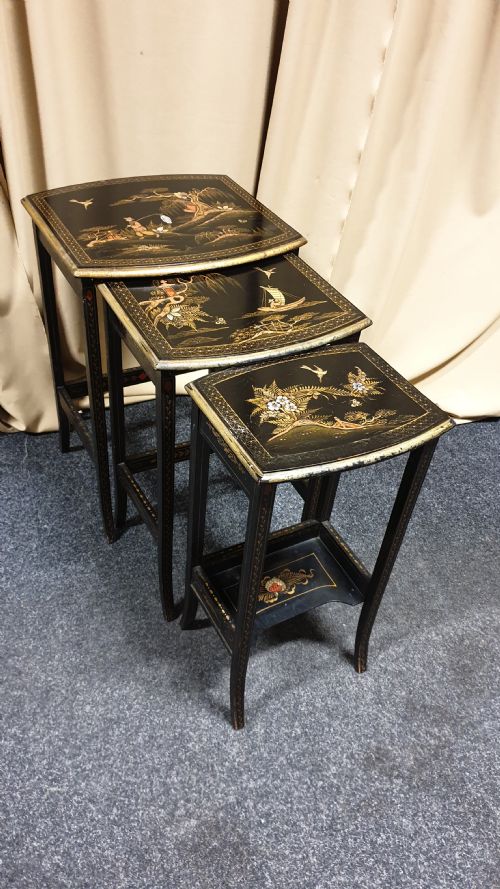
Origins stretch from English workshops to French provincial makers, Venetian studios, and Indian or Kashmiri craft traditions. The forms range from octagonal occasional tables to nests of tables and heavy hardwood stools.
How they were made
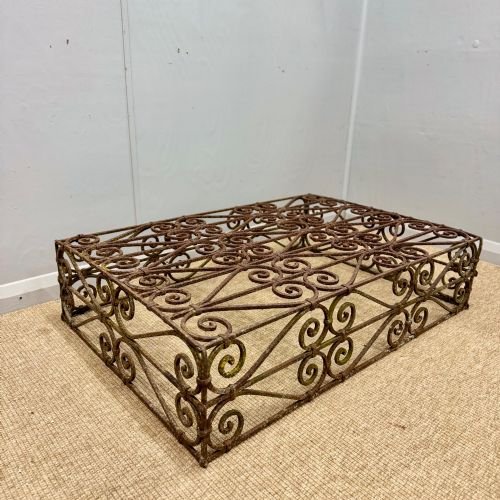
Makers utilised traditional hardwoods such as mahogany and chestnut, alongside ebonised finishes and applied lacquer. Metalwork played a central role, with engraved brass panels, wrought iron, and copper incorporated into tops and frames.
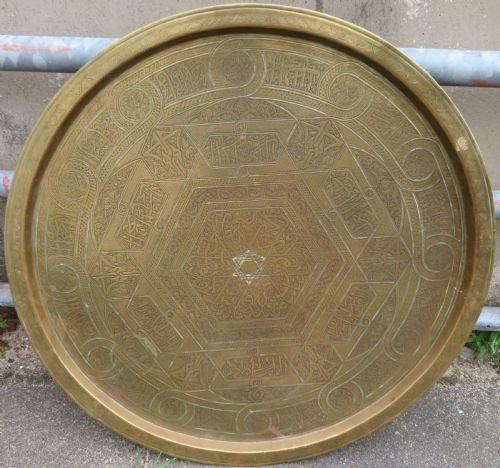
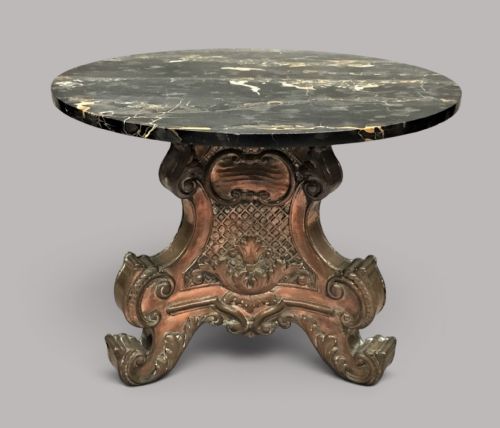
Decorative surfaces relied on specialist techniques including Pietra Dura marble inlay, hand-painted Chinoiserie scenes, and intricate wood carving. Brass inlay and engraved Cairoware metalwork demonstrate skilled craftsmanship from diverse regional traditions.
Decorative Coffee Table Retail Price Guide 2026
Typical asking prices for decorative coffee table among the pieces listed under this phrase on Sellingantiques today, from the lower quarter to the upper quarter. They describe what is for sale here now, not the wider market.
What varies in quality
Quality rests in the execution of the surface decoration, from the depth of hand-engraving on brass trays to the precision of Pietra Dura marble inlay. Superior examples display intact painted scenes, stable lacquer, and crisp hand-carving on woodwork.
The integrity of the construction distinguishes finer pieces, particularly where folding stands, occasional tables, and tray supports meet. Original surfaces and period components hold greater distinction than later replacements or adaptations.
The Decorative Coffee Table Glossary
- Chinoiserie
- European decorative style inspired by Chinese art and design, visible in lacquered finishes and painted scenes. It flourished during the eighteenth and nineteenth centuries.
- Pietra Dura
- Inlay technique utilising cut and fitted polished coloured stones to create pictorial designs on marble surfaces. It appears on Victorian and nineteenth-century occasional tables.
- Japanned
- European imitation of Japanese and Chinese lacquerwork, created using layers of varnish and painted decoration. This finish is common on twentieth-century English coffee tables.
- Cairoware
- Nineteenth-century metalware from Egypt featuring intricate hand-engraved brass inlaid with silver and copper. These plates and trays frequently form the tops of low tables.
- Occasional table
- Small, versatile table designed for specific, intermittent use around a room rather than a primary dining function. They appear in various nineteenth and twentieth-century styles.
Decorative Coffee Table: Frequently Asked Questions
What is a decorative coffee table?
A decorative coffee table is a low surface adapted from nineteenth or early twentieth-century occasional tables, trays, and window seats. These pieces bring historical materials like brass, lacquer, and marble into modern seating arrangements.
They function as functional centerpieces while displaying distinct regional styles such as Chinoiserie, Anglo-Indian, and French provincial designs.
How do I use a tray table safely?
Tray tables usually consist of a removable top resting on a folding or fixed wooden stand. Ensure the supporting base sits level on the floor before placing the tray on top.
Avoid overloading antique trays with heavy items, and use coasters to protect delicate lacquer, painted scenes, or inlaid marble surfaces.
How do I tell an antique Chinoiserie table apart?
Antique Chinoiserie tables display hand-painted scenes on lacquered wood, often utilising gold and dark pigments. Examine the surface under good light to observe the craquelure and depth within the lacquer layers.
Nineteenth-century examples show hand-applied details rather than modern printed transfers, reflecting traditional craftsmanship from English or continental workshops.