





Decorative Ceramic Table Lamp
A decorative ceramic table lamp brings rich colour and texture to a room, turning antique vases and oil lamps into functional lighting.
Decorative Ceramic Table Lamp
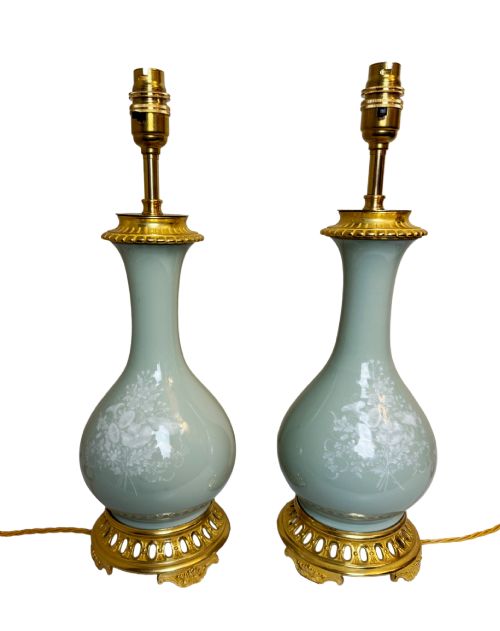
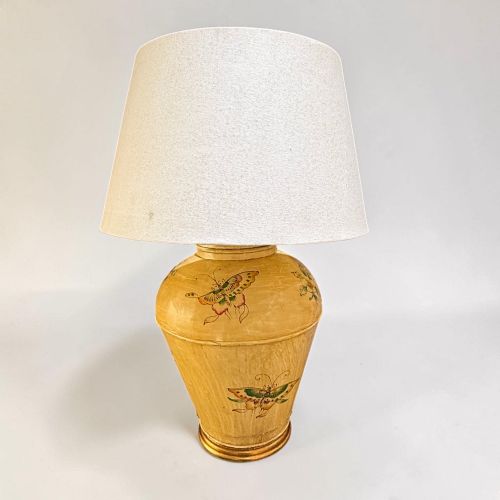
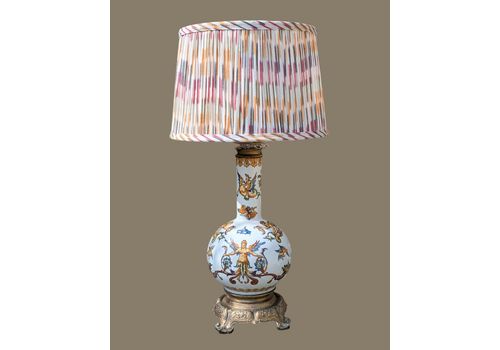
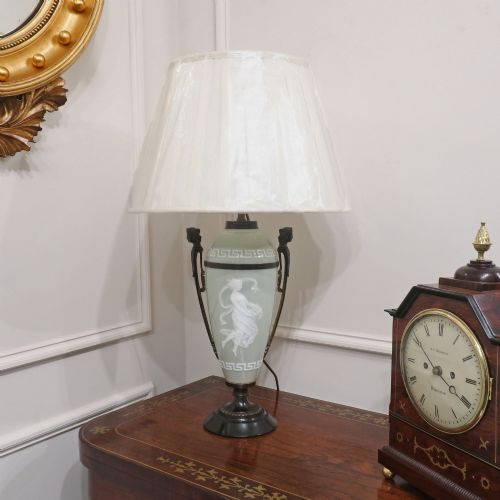
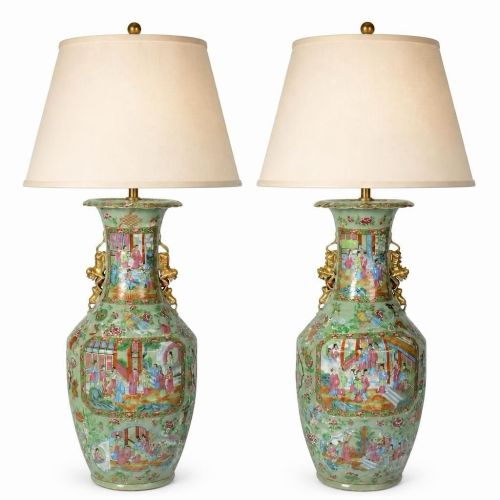
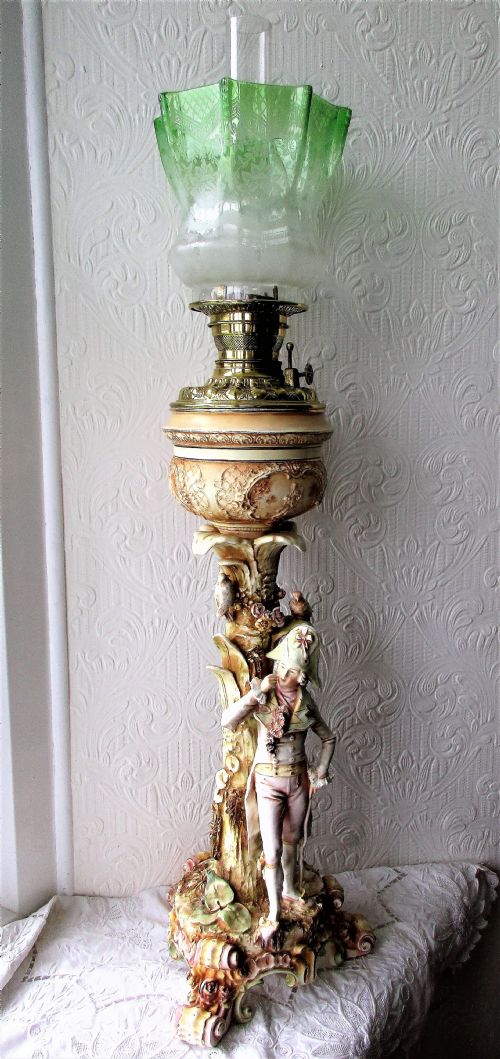
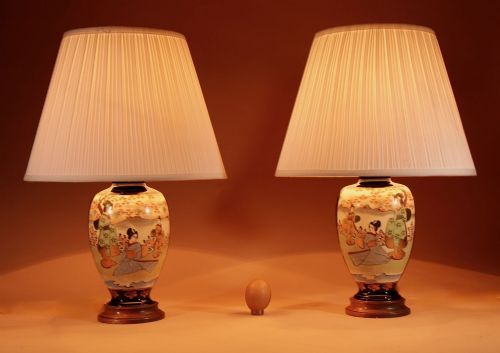
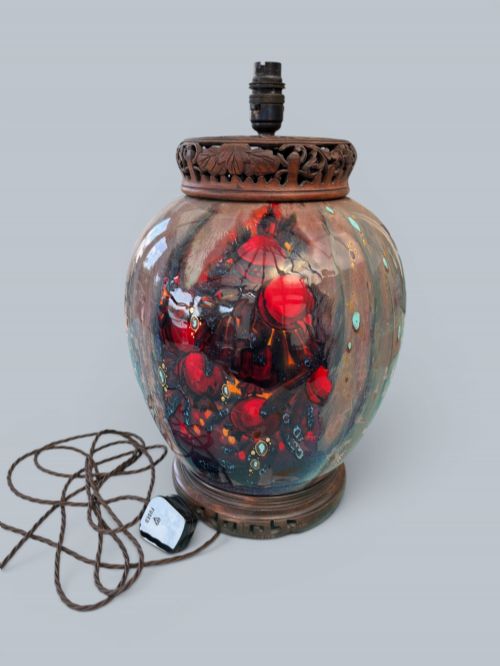
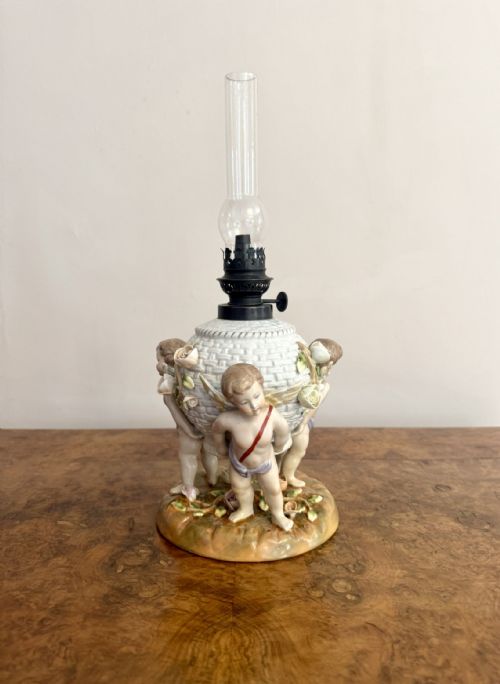
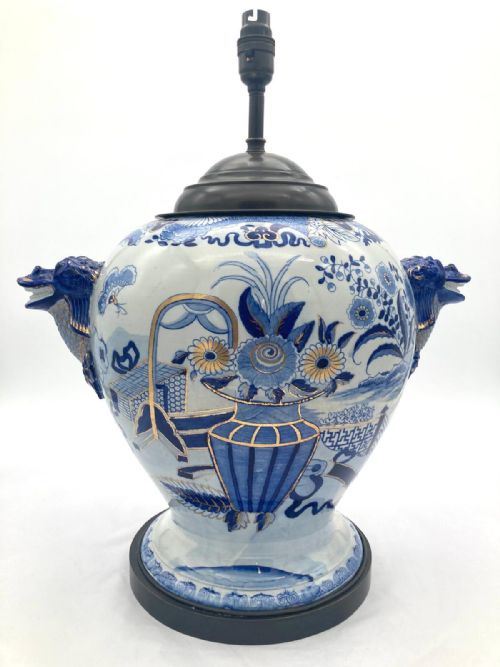
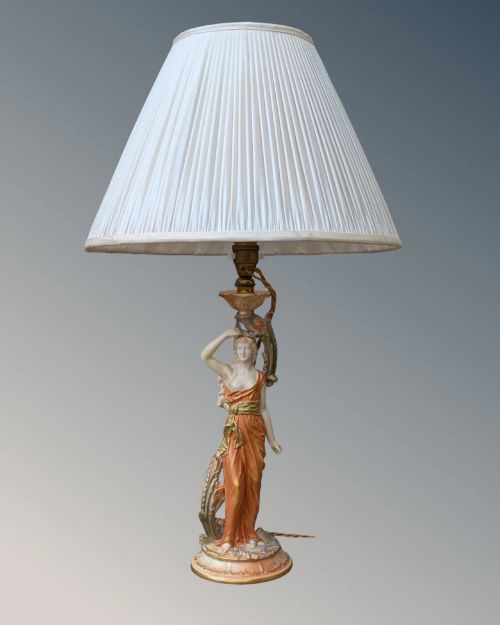
A decorative ceramic table lamp is typically formed from converted nineteenth-century porcelain and pottery vases, oil lamps, or figural vessels mounted for modern electrical use. These pieces span Victorian, Regency, and Art Deco styles, incorporating diverse international aesthetics such as Japanese Satsuma, Chinese Famille Rose, and French Neoclassical design.
The selection frequently includes matched pairs alongside substantial single examples originating from periods between the early nineteenth century and the nineteen-thirty period. Many derive from historic porcelain centres including Paris, Sitzendorf, and Worcester, or utilise ironstone and earthenware bodies.
Buyers encounter everything from large Rose Medallion and Yokohama vases fitted as lamps to converted Victorian oil lamps featuring brass and bronze hardware. Each piece merges historical ceramic artistry with practical illumination, offering substantial presence for interior placement.
What varies in quality
Quality rests primarily in the fineness of the ceramic body, the complexity of the hand-painted or pate sur pate decoration, and the presence of a true matching pair. Finer examples display crisp detail in multi-coloured enamels and gilding, whereas simpler pieces rely on standard transfer-printed motifs.
The proportion between the ceramic vessel and its metal mounts dictates visual balance, with superior pieces maintaining harmonious scale and original patination on brass and bronze elements. Maker attribution to known houses like Royal Worcester or Moorcroft further elevates the standing of an individual lamp.
Decorative Ceramic Table Lamp Retail Price Guide 2026
Typical asking prices for decorative ceramic table lamp among the pieces listed under this phrase on Sellingantiques today, from the lower quarter to the upper quarter. They describe what is for sale here now, not the wider market.
Several heavy vases lead quiet second lives as lamps after decades spent burning oil or simply holding flowers.
Hicks and Meigh·Sitzendorf·Moorcroft·Royal Worcester
The Decorative Ceramic Table Lamp Glossary
- Pate sur pate
- A French ceramic technique where raised designs are built up in liquid white slip on a contrasting coloured clay body. This method creates a cameo-like relief effect popular in nineteenth-century decorative pieces.
- Famille rose
- A Chinese ceramic palette characterised by opaque pink enamels introduced during the Qing dynasty. It allowed for subtle tonal gradations in floral and figural depictions.
- Satsuma
- Earthenware originating from Satsuma province in Japan, featuring a characteristic ivory-crackled glaze decorated with intricate polychrome enamels and raised gold. These wares were widely exported during the Meiji period.
- Ironstone
- A heavy, durable type of earthenware patented in nineteenth-century Britain as a robust alternative to porcelain. It takes brightly coloured enamels exceptionally well and resists chipping.
- Faience
- Tin-glazed earthenware decorated with opaque coloured glazes before firing. It offers a smooth canvas for painterly ceramic designs across various European traditions.
Decorative Ceramic Table Lamp: Frequently Asked Questions
Are these lamps safe for modern homes?
Most antique lamps are suitable for contemporary interiors, though conversion methods and wiring vary across individual pieces.
Buyers often choose to have older fittings checked or updated by a qualified electrician to meet current safety standards.
How do I care for ceramic lamps?
Maintenance requires gentle dusting with a soft cloth and avoiding abrasive cleaning agents on delicate enamel or gilt surfaces.
Care should also be taken around metal mounts and fabric components to preserve the overall condition of the piece.
Can I find matching pairs?
The inventory regularly includes matched pairs of converted vases and oil lamps, particularly in nineteenth-century Chinese and Japanese styles.
These symmetrical pieces work well placed on large sideboards, mantels, or bedside tables where balanced lighting is desired.
What periods do these lamps represent?
The pieces span the nineteenth and early twentieth centuries, encompassing Victorian, Regency, and Art Deco aesthetics.
Stylistic markers such as Meiji period decoration or French Neoclassical motifs help date the underlying ceramic vessels.